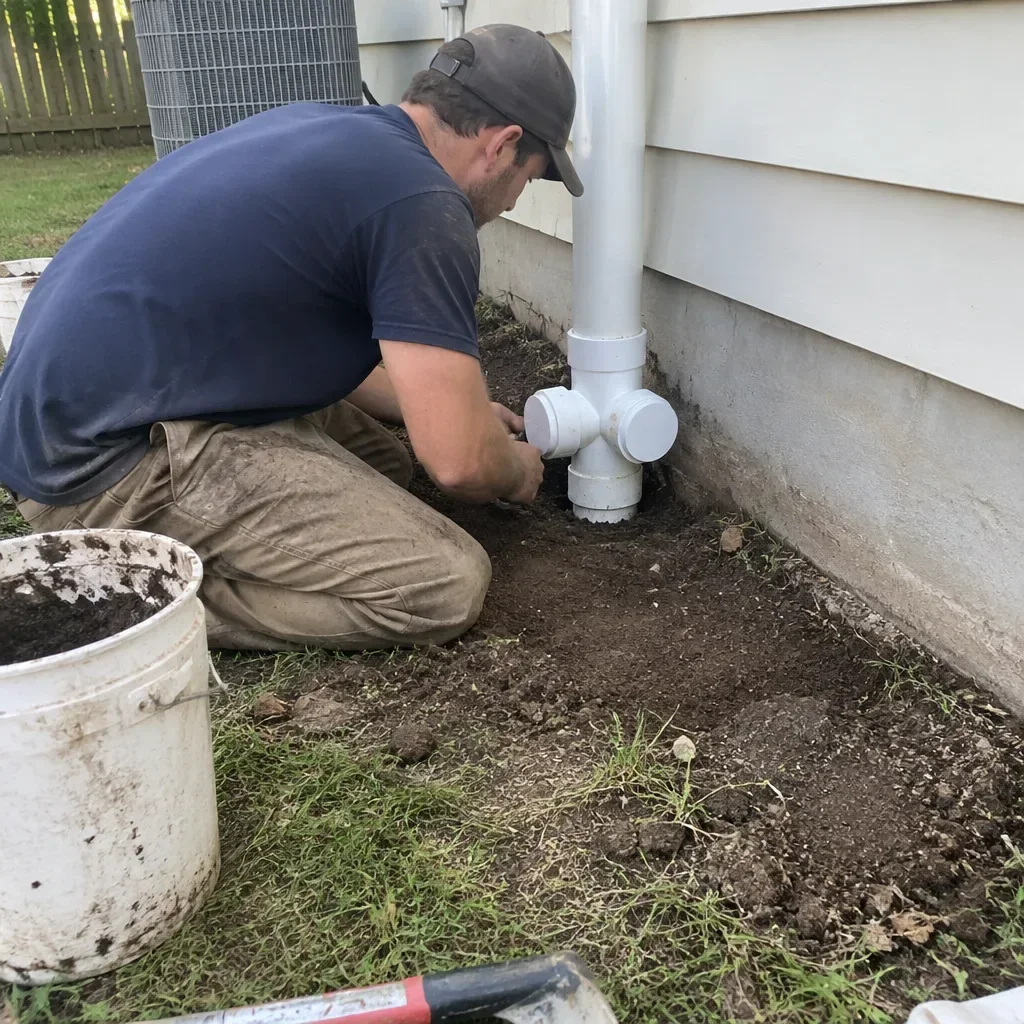
Returning Home
When can a Longmont homeowner return after sewage cleanup? See how completed work, moisture findings, and clear provider notes help guide reentry.
Read article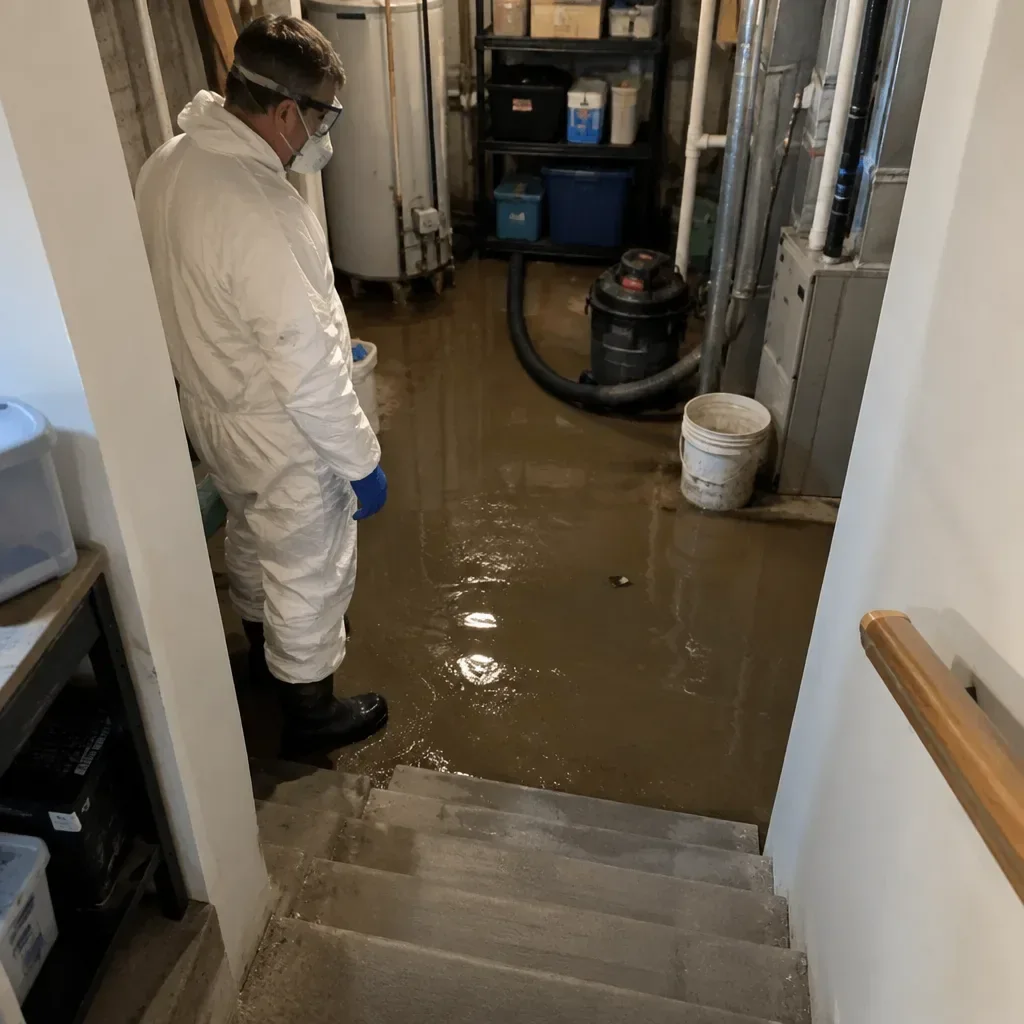
Sewage on a floor is a reason to close off the affected rooms and keep children and animals clear while the situation is assessed. In Longmont, tell the pros we connect you with what you observed, which spaces are involved, and whether materials feel damp or smell affected. A property near the St. Vrain Greenway should be assessed on its own conditions; a landmark or postal address does not establish the wastewater provider or explain how a backup began. Share the property address when asking for an assessment.
Warning signs, cleanup choices, and useful guidance for Longmont homeowners.
When can a Longmont homeowner return after sewage cleanup? See how completed work, moisture findings, and clear provider notes help guide reentry.
Read article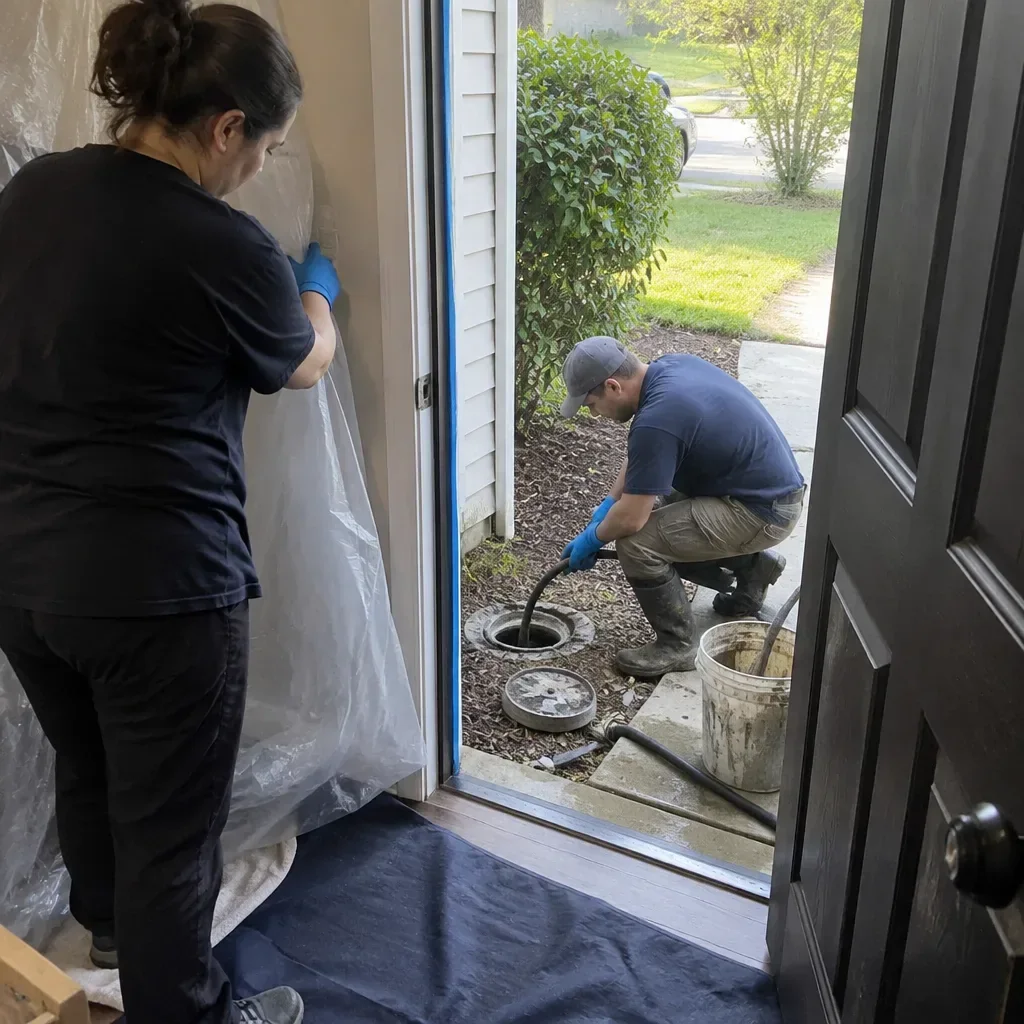
Can a household stay in part of its Longmont home during sewage cleanup? Learn how room access, household needs, and changing conditions affect the decision.
Read article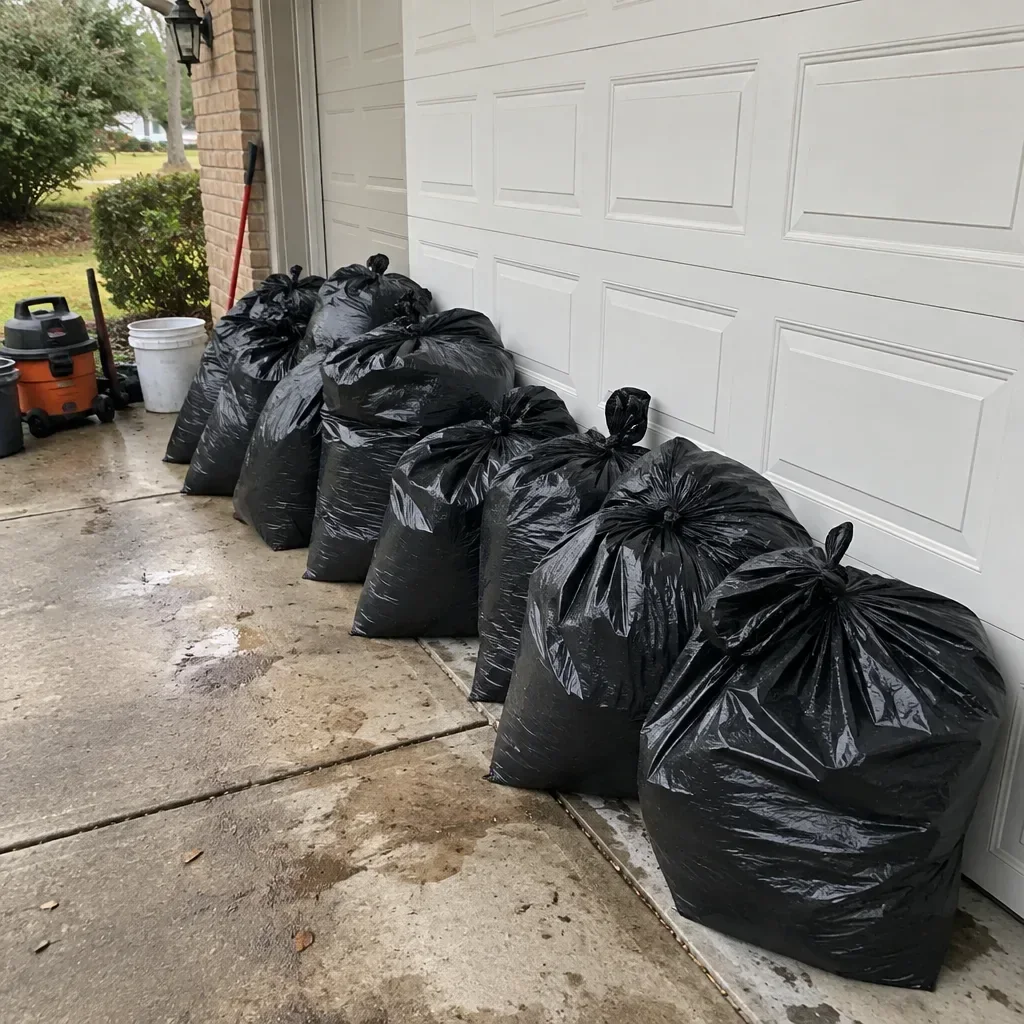
A Longmont sewage backup needs a prompt call, but arrival estimates depend on current availability and site details. Learn what to report and ask while rain may coincide with backups.
Read articleOnce the affected area is mapped, cleanup can move from sewage removal to decisions about what can remain. The inspection can also note whether sewage reached floor joints or wall cavities. Surfaces that remain can then be cleaned and disinfected according to product directions, with drying for building materials that retain moisture. Odor treatment may also be included after removal and cleaning. A plumber handles locating or repairing the sewer-line problem; that work can be arranged separately from cleanup.
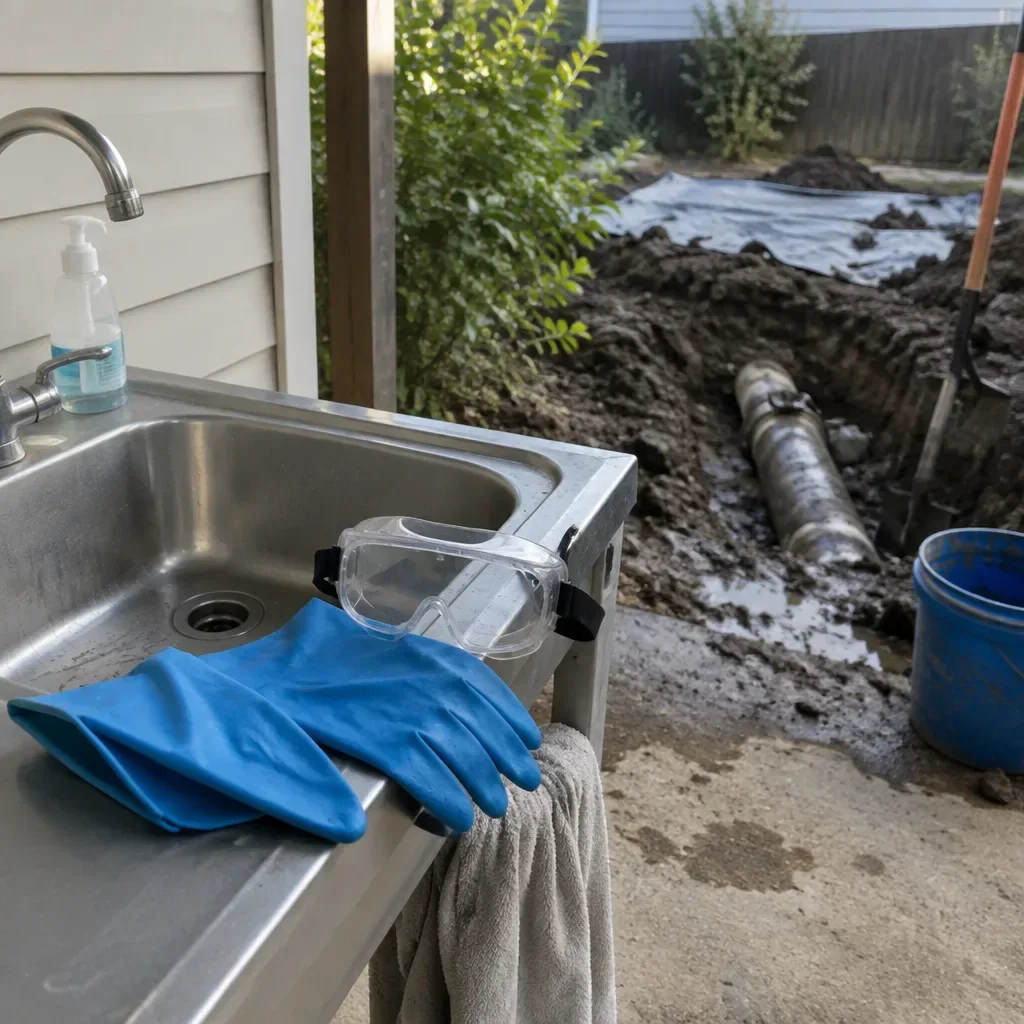
A clear path from basement assessment to final moisture checks in Longmont.
View Basement Sewage Cleanup help in Longmont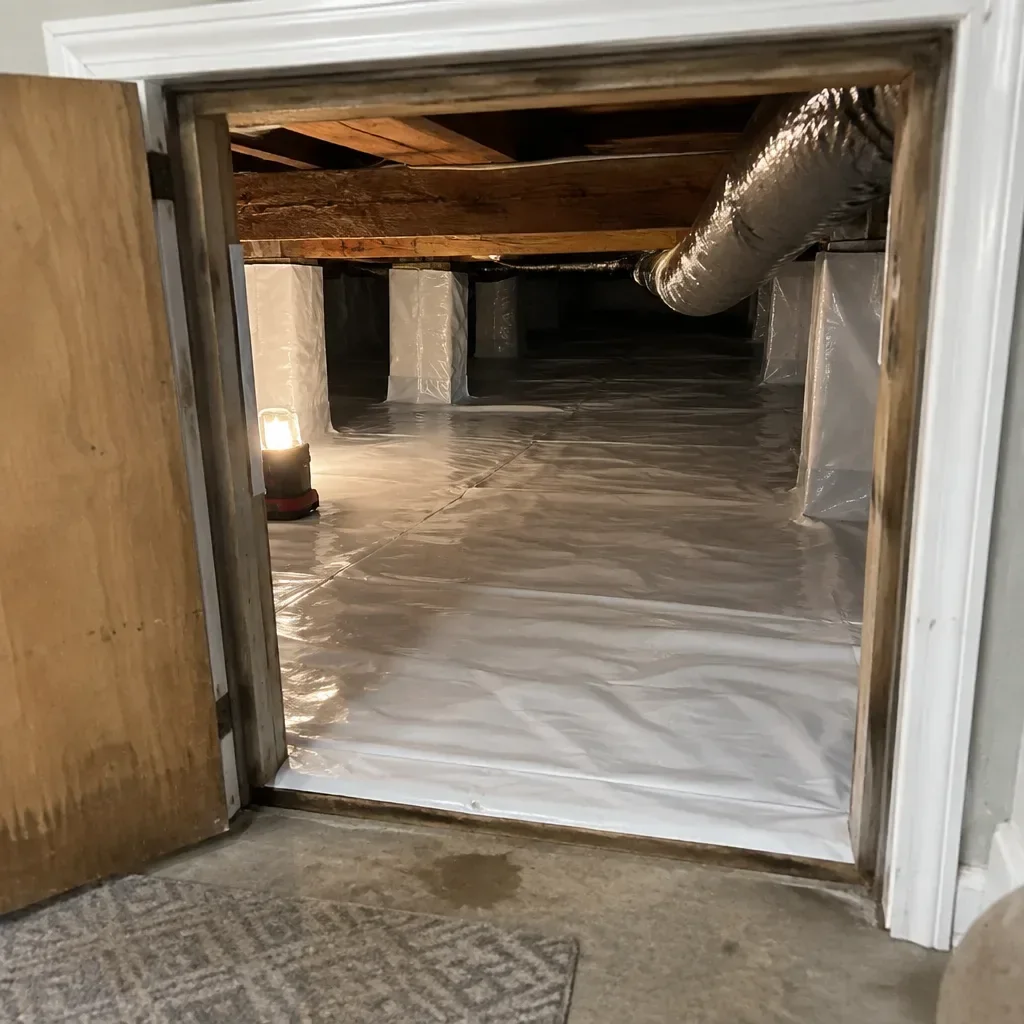
Keep sewage contained while the crawl space is cleared, cleaned, and dried.
View Crawl Space Sewage Cleanup help in Longmont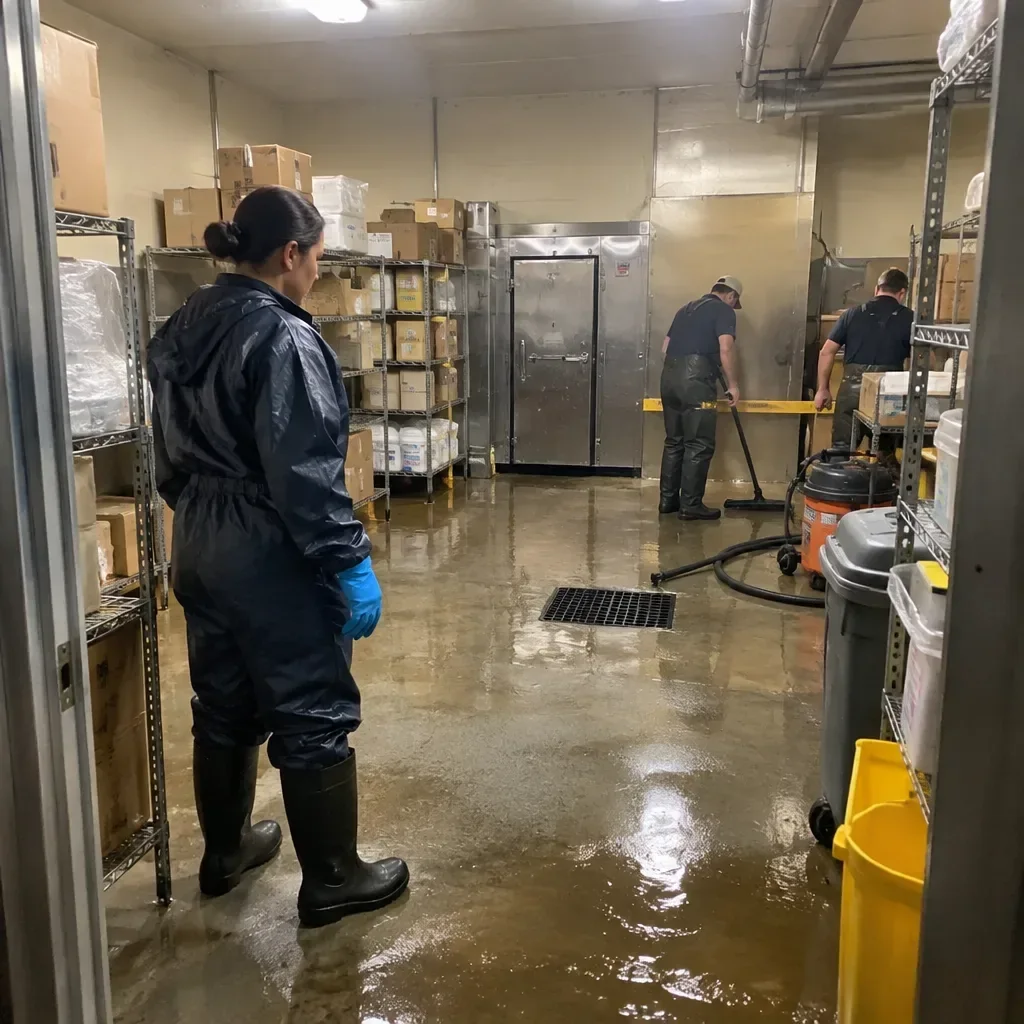
The pros we connect you with assess reach, contain sewage, and plan cleanup.
View Toilet Overflow Sewage Cleanup help in Longmont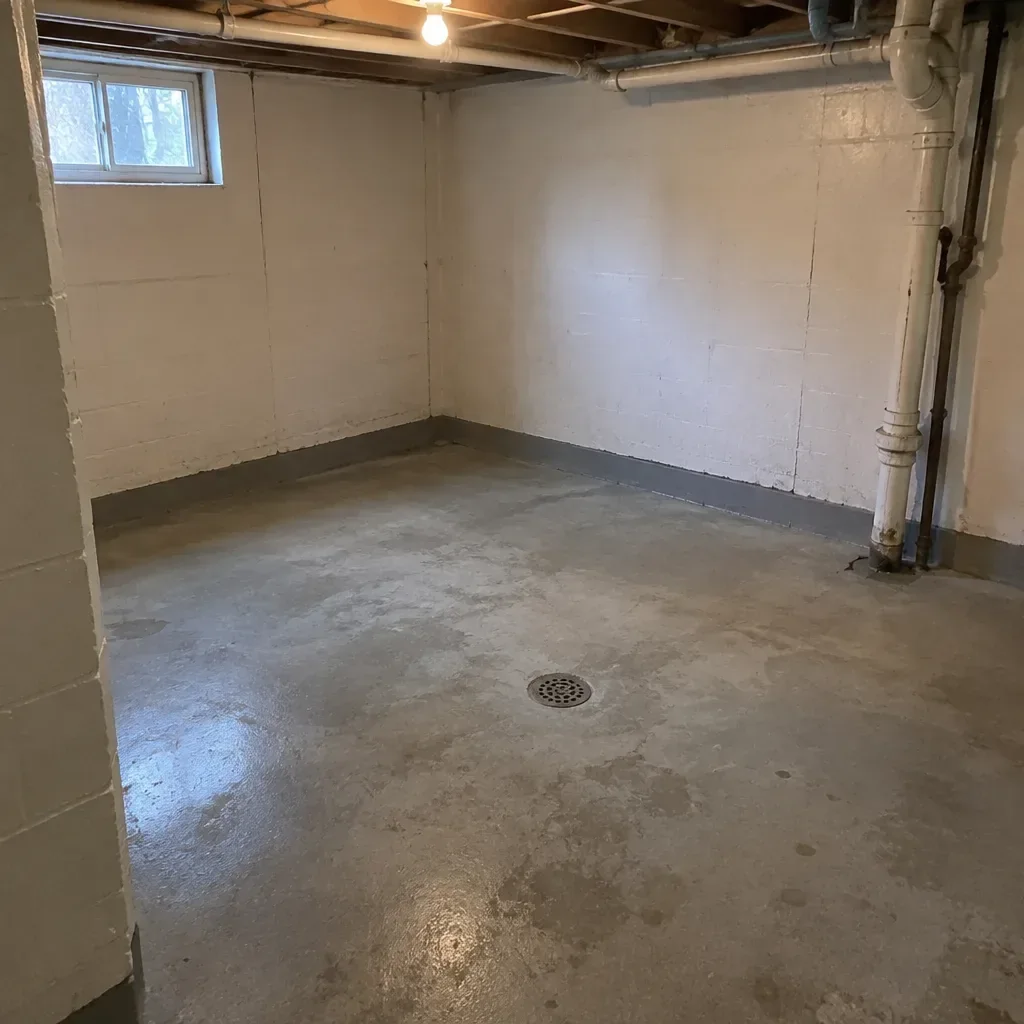
For Longmont floor drain spills, material condition guides cleaning or removal.
View Floor Drain Sewage Cleanup help in LongmontIn Longmont, start with the rooms where sewage appeared, then check nearby surfaces and materials before deciding what the cleanup includes. The pros we connect you with can contain the work area and remove wastewater; absorbent items that sewage reached may have to go. Protective equipment helps limit contact with contaminated material during cleanup. A home near Dickens Farm Nature Area and a business near Sandstone Ranch still need an assessment based on their own affected spaces. The sequence depends on what the inspection finds.
Longmont documents investigation of reported backups, helping distinguish service-line concerns from main-line blockages.
Sewer Backup Cleanup in LongmontMead lists sewer as a utility, while its service boundary makes address-level confirmation essential before arranging cleanup.
Sewer Backup Cleanup in MeadIn Dacono, sort out property approval and access with management before coordinating indoor cleanup.
Sewer Backup Cleanup in DaconoFrederick identifies St. Vrain Sanitation District for sanitary sewer service; owners should verify the arrangement at their address.
Sewer Backup Cleanup in Frederick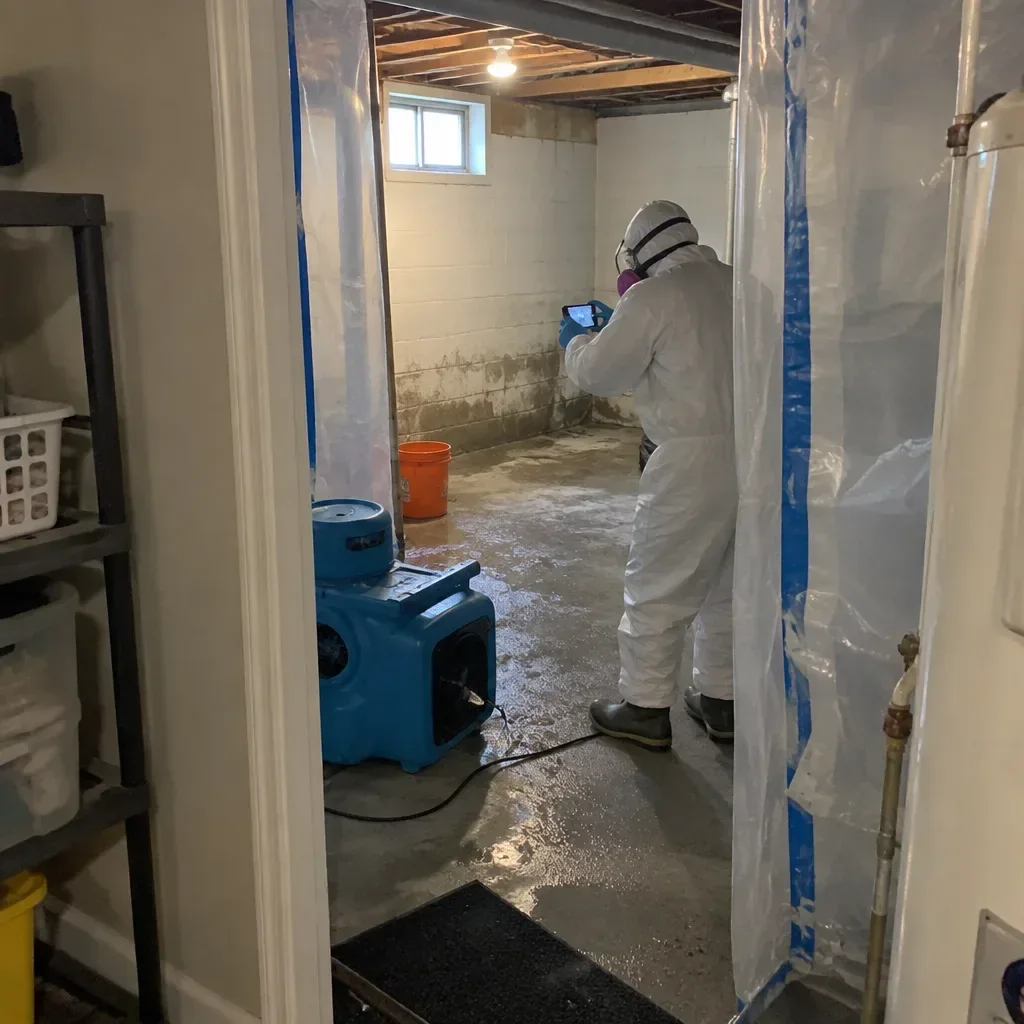
In Longmont, first ask a plumber to locate the blockage or line fault; the cleanup scope covers sewage inside the home. Keep occupants and animals out of affected rooms. During the assessment, ask how the pros we connect you with will separate those rooms, remove sewage, and decide whether absorbent finishes must go. Clarify which surfaces need washing and disinfection, whether odor treatment is planned, and what drying follows. Ask how the licensed pros we connect you with will keep contaminated materials from being tracked through clean parts of the home.
Start by noting which rooms, belongings, and building surfaces were touched; that record helps show the cleanup scope. In Longmont, a bathroom backup can affect items around a toilet, while basement sewage may contact stored property and flooring. Those materials do not all respond alike: some need disposal, surfaces need cleaning and disinfection, and damp structural parts need drying. The pros we connect you with can assess those tasks and document the work. Calls from Founders Park, Liberty Ranch, or Mead Ponds still need a plumber to diagnose or fix the sewer line.
A tide mark on concrete or masonry can show how high contaminated water reached, but the line may fade where the floor meets a finished wall. In a Longmont basement, grit or residue lodged along a floor joint can point to spots that need closer inspection before cleaning begins. The pros we connect you with check beyond the open floor, including edges behind movable items, so the cleanup scope reflects the path of the water rather than just the easiest area to see.
Basement Sewage Cleanup →A harsh, lingering odor at a crawl-space vent or hatch can point to sewage residue on soil, supports, or stored items, even if standing water has drained away. In Longmont, a homeowner near County Road 34 should treat the smell as a reason to arrange an assessment, not as a cue to crawl under the house. The odor’s location may help direct the inspection, but it cannot establish how much material is contaminated. Cleanup may include removing affected items and treating odor after surfaces are cleaned.
Crawl Space Sewage Cleanup →Dark residue along grout joints or around the toilet base can remain after pooled water is gone. In Longmont, an owner should note which seams, floor edges, and nearby finishes show residue, without scrubbing or lifting them first. Those details help a cleanup provider decide what to inspect and how to contain the work. If the marks continue beyond the bathroom, include that area in the description when requesting an assessment.
Toilet Overflow Sewage Cleanup →Look beyond the drain for the water’s path. A line of grit, residue, or dampness under stored items can show that contaminated water moved farther than the open floor suggests. In a Longmont home, note which rooms and belongings appear affected before anything is shifted; moving items through clean areas can carry residue with them. That map helps a cleanup provider assess the full work area and decide what needs removal, cleaning, or drying.
Floor Drain Sewage Cleanup →In Longmont, a sewer backup can leave wastewater across a home’s floor or interrupt work in a shop, with affected materials differing from room to room. Near Dickens Farm Nature Area, Basement Sewage Cleanup, Crawl Space Sewage Cleanup, Toilet Overflow Sewage Cleanup address contamination inside the building; finding or fixing the line itself calls for plumbing work.
For a property near Sandstone Ranch, ask the pros we connect you with how they will sort cleanable surfaces from sewage-soaked materials, then clean, disinfect, and dry affected areas. Ask if a plumber needs to investigate the line or source.
The service area around Longmont is set out as from Longmont and Mead to Dacono and Frederick. Sewer Backup Cleanup is available in those communities; nearby landmarks such as Left Hand Creek and St. Vrain Greenway help orient a search, but an address check must confirm sewer service.
Start by establishing how far sewage traveled, which surfaces it touched, and whether the backup has stopped. In Longmont, the pros we connect you with can assess affected rooms, then explain a sequence suited to the materials: isolate the work area, extract sewage, and remove porous items that cannot be cleaned safely. Remaining surfaces are cleaned and disinfected, odors treated, and building materials dried. A plumber may need to trace or fix the line; cleanup does not correct that source. The owner reviews the proposed scope before work starts, with drying and affected areas checked as work proceeds.
Call (303) 879-2581 or use the online form. Tell the provider where the sewage appeared and what rooms or belongings it reached. Say whether people and pets are kept away, then ask about the proposed work, scheduling, and any visit charge.
Ask how the inspection will identify affected materials, whether that visit has a charge, and how findings will shape the proposed cleanup before work is approved.
Ask which belongings should be moved before cleanup so the room is clear for the work.
Ask what containment, surface cleaning, disinfection, and drying the plan includes. Review the written scope and any warranty terms with the pros we connect you with.
At a Longmont home, the visible puddle is only one clue: sewage may have reached flooring edges, wall bottoms, or stored belongings. The assessment follows that path and sorts materials into removal, cleaning, or drying needs; absorbent items can hold contamination after the surface looks clear. A property near Centennial Park, along the St. Vrain Greenway, or by Sandstone Ranch still needs its own inspection—the landmark cannot show where wastewater connects or who must address the line. The licensed pros we connect you with can check for moisture in concealed spaces beneath finished surfaces.
Describe which rooms are affected and how soon help is needed. Ask the pros we connect you with about scheduling, availability, and cleanup charges.
Ask for the visit details, proposed tasks, and charges on paper before approving the work.
Ask how the inspection will find contamination beyond what can be seen, and how those findings will appear in the written work plan.
Ask which surface cleaning and treatment tasks are planned, how drying will be checked, and what records you will receive afterward.
In Longmont, sewage on the floor can soak porous materials, while footsteps may track contaminated water into clean rooms. Keep people and pets out as the affected area is assessed.
In Longmont, a backup left on the floor can soak into porous material; walking through may carry contamination toward adjoining rooms.
Ask the pros we connect you with to check whether cleanup service is available at the property address.
Start with the guide that speaks to the decision the owner needs to make next.
Review how separating affected rooms, removing sewage, cleaning surfaces, and drying can shape the cleanup plan.
Use the home cleanup guide to review entry precautions, which materials may be removed, and what to settle before work is approved.
Ask for clear definitions of unfamiliar words in an inspection, cleanup plan, or instructions for drying building materials.
Note where sewage reached, which items got wet, whether odors remain, and where moisture is still present.
Stop using drains and keep people and pets clear of the sewage. Don’t touch the water or try to clean it yourself; contact the City of Longmont to report the backup and ask about an investigation. The city can help locate whether the problem is in a service line or main, but the address and cause need checking. If a plumber is needed, ask what the assessment includes and whether it has a charge. Note which drains are affected so the backup can be described clearly during the investigation.
The pros we connect you with assess the affected rooms, separate work areas from clean parts of the home, and clean and disinfect surfaces that can remain. They may treat lingering odors and dry building materials after cleaning. Keeping affected rooms separate can help prevent contamination from spreading into clean parts of the home. Cleanup addresses contamination inside the home; it does not identify or repair the source of the backup.
Often, a plumber is needed to locate a blockage or repair a sewer line. The plumbing diagnosis and the indoor cleanup address separate parts of a sewer backup. That investigation is important because the address and findings determine where the problem is. Cleanup handles sewage and damage inside the home; it does not replace plumbing diagnosis or repair.
Ask for an itemized assessment that records where sewage reached and names the building materials proposed for removal, cleaning, or drying. In Longmont, porous components with sewage contact may need to come out; cleanup notes can explain the affected rooms and planned work before removal begins. A clear boundary around affected rooms can help keep sewage residue from being tracked into clean areas.
Photos taken before items are discarded, along with an itemized list of damaged belongings, can give an insurer useful documentation. Keep any cleanup records with those materials and ask the insurer what else it needs. These records may support review, but they do not establish coverage or guarantee payment; the policy and the circumstances of the loss determine that.
An estimate reflects the tasks required after the affected areas and materials are assessed. The amount of sewage, the spaces it reached, and the kinds of surfaces exposed can change the scope of work. Ask which cleaning, disinfection, material handling, and drying steps are included, and whether the estimate may change if further affected areas are found.
It depends on whether household members can stay clear of the affected rooms and the work area. People should avoid crossing through the work area while the cleanup is underway. Ask the pros we connect you with which parts of the home will be restricted and whether people can avoid crossing through those spaces.
A smell can remain when sewage has reached surfaces or belongings that still need attention. Removing standing water by itself may not address odor sources. Cleanup may include odor treatment after affected materials are handled and surfaces are cleaned. If the smell persists, ask whether the assessment found other affected areas that need cleaning or treatment.
Drying follows sewage removal and cleaning because moisture can remain within building materials after surfaces look dry. The pros we connect you with should assess the affected structure and explain which areas still need drying. Ask how they will check those materials and what findings they use to determine when the drying work is finished.
No researched range is available; $7,000–$14,000 applies to the cleanup estimate. Once they assess the damage, the pros we connect you with can confirm pricing, accounting for affected surfaces, contaminated items, and structural drying needs.
For a Longmont home, write down where the backup appeared, which rooms were affected, and whether belongings or building materials became wet. That record gives the pros we connect you with a useful starting point when discussing availability, an assessment, and cleanup documentation. Ask for the planned work in writing and check whether any part is billed separately. If the blockage or line itself needs investigation or repair, that falls under plumbing. A home near Sandstone Ranch should also verify its wastewater provider by address; a ZIP alone does not establish service or responsibility.
Call (303) 879-2581