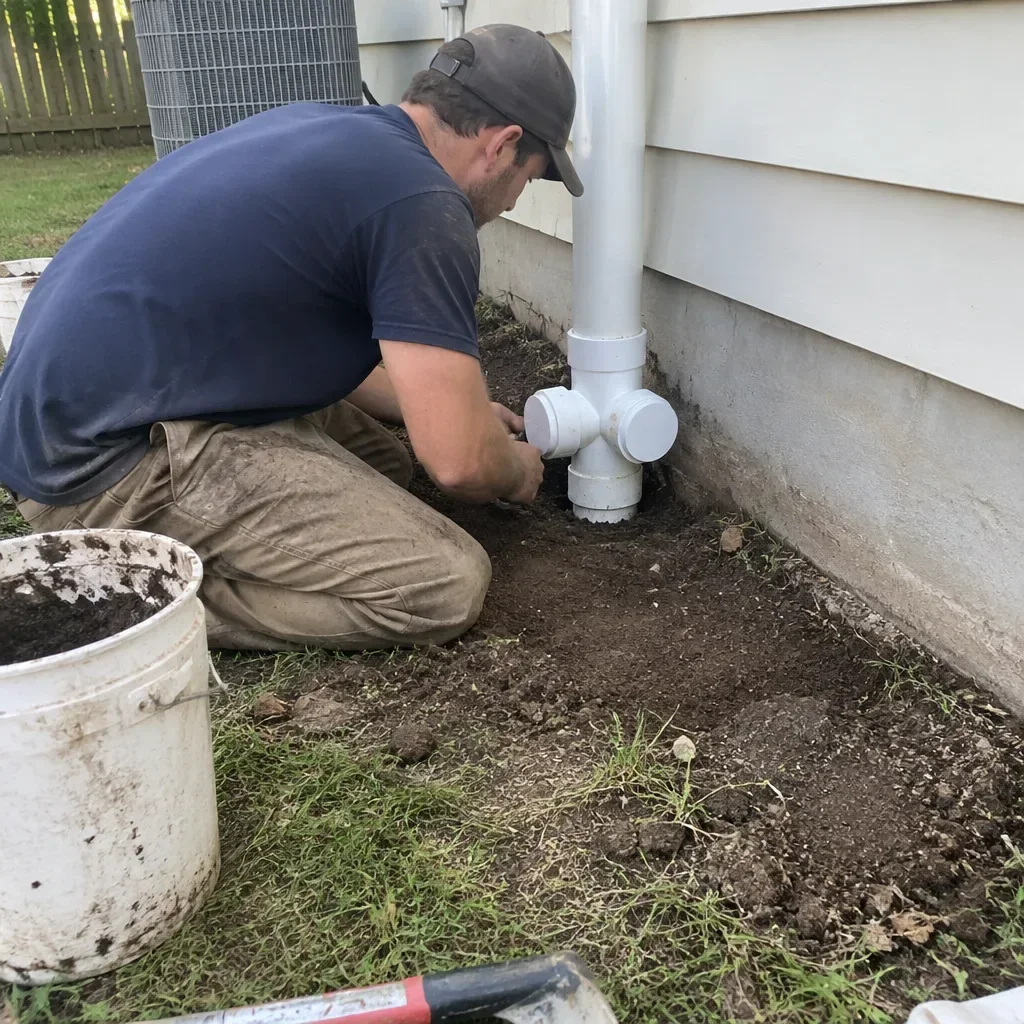
Returning Home
When can a Longmont homeowner return after sewage cleanup? See how completed work, moisture findings, and clear provider notes help guide reentry.
Read article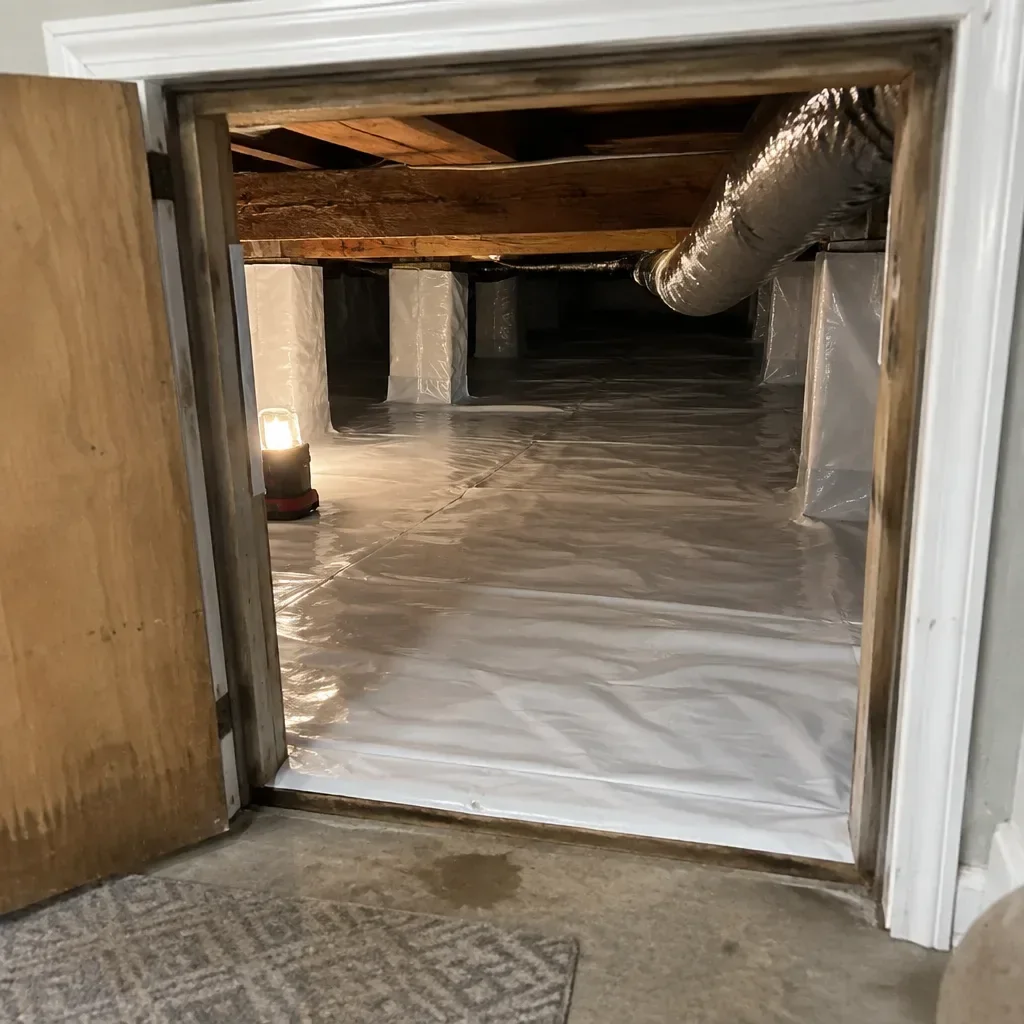
Keep sewage contained while the crawl space is cleared, cleaned, and dried.
Along the St. Vrain Greenway, a wet spell can leave a Longmont homeowner checking a crawl-space hatch for damp soil, a sharp smell, or debris tracked toward the opening. Those clues do not show how far contamination reached beneath the house. A home near Dickens Farm Nature Area may have a different crawl-space entrance and layout than one closer to Sandstone Ranch, so the visible patch is only a starting point. Do not climb inside to investigate; sewage can contaminate surfaces beyond what can be seen from the hatch.
In Longmont, sewage beneath a home can collect out of sight, where low clearance makes inspection and cleanup harder. A homeowner near Sandstone Ranch may find wet soil, debris, or insulation below the floor; the crawl space needs assessment before anyone handles the contaminated material. Sewage can carry harmful germs, so the space should stay undisturbed while cleanup is arranged. Near the St. Vrain Greenway, tight access can affect how equipment and removed material are moved in and out. The pros we connect you with assess the affected surfaces, then contain the work area, extract sewage, remove materials that cannot be cleaned, disinfect, treat odors, and dry what remains. The extent of contamination and access shape the time and cost; trapped moisture can delay drying.
In Longmont, CO, an address near St. Vrain Greenway still needs its sewer connection checked; Crawl Space Sewage Cleanup handles indoor contamination, while Frederick, Mead and Dacono are coverage examples, not connection proof.
For a home's cleanup questions, begin with Sewer Backup Cleanup; property managers and business operators can review guidance for their buildings at commercial sewer backup cleanup.
A harsh, lingering odor at a crawl-space vent or hatch can point to sewage residue on soil, supports, or stored items, even if standing water has drained away. In Longmont, a homeowner near County Road 34 should treat the smell as a reason to arrange an assessment, not as a cue to crawl under the house. The odor’s location may help direct the inspection, but it cannot establish how much material is contaminated. Cleanup may include removing affected items and treating odor after surfaces are cleaned.
Sewage-darkened soil, splashes on supports, or debris caught around the crawl-space entrance can mark where contaminated water reached. At a Longmont home, a visible edge does not tell whether liquid moved beneath insulation or along framing. The pros we connect you with can inspect the accessible area and determine what needs extraction, removal, or surface cleaning. Keep people and pets clear while that assessment is arranged; do not handle debris or try to rinse it away, since that can spread contamination.
A soft or unusually damp area in the floor above a crawl space may reflect moisture in materials below, while a new musty smell can point to damp conditions that remain after sewage has receded. In Longmont, conditions can vary from one structure to another, so neither sign confirms sewage by itself. A cleanup assessment can check affected materials and moisture beneath the floor. If sewage exposure is found, wet porous materials may need removal, and the remaining structure needs cleaning and drying.
The professional checks the crawl-space opening, clearance, and visible impact before entry, so the plan accounts for safe access and equipment fit.
Containment separates the work zone from clean areas; contaminated water is extracted, and porous items that cannot be cleaned are removed.
Surfaces that remain are cleaned and disinfected with a product suited to them, following its label directions and contact time.
Drying equipment removes moisture from affected materials; follow-up checks guide further drying and show when the structure is ready.
A crawl space is close to the underside of the floors, supports, and insulation a household depends on. In Longmont, sewage left in that confined area can soil absorbent materials and leave moisture where it is difficult to see or reach. Containment, removal, cleaning, and drying address different parts of the problem; skipping a step can leave residue or damp material behind. A professional assessment helps identify the work the structure actually needs.
Longmont’s published sewer guidance distinguishes service-line concerns from main-line problems and describes investigation of reported backups. That process addresses the source; crawl-space cleanup addresses contamination inside the home. Sewage can reach framing, insulation, or stored belongings beyond the visible pooling. A ZIP code does not confirm the property’s sewer provider or connection, so the owner should verify those details for the address before assuming which system or party is involved.
For a Longmont property, confirm the address and wastewater connection before treating a crawl-space backup as a city sewer problem; ZIP codes alone do not identify the provider. Longmont publishes guidance for investigating reported sewer problems, including distinguishing a service-line issue from a main-line concern. That investigation can help direct source questions to the right party, while cleanup handles contamination inside the home. If the crawl space is affected, leave it undisturbed and contact a cleanup professional; use a plumber when the source needs investigation or repair.
A written scope can clarify which cleanup tasks are included and give the licensed pros we connect you with a shared reference for the visit.
| Impacted Spaces | Restoration Actions | Estimate Variables |
|---|---|---|
| Localized Impact | Near Sandstone Ranch: map affected space and outline cleanup tasks | an estimated $3,200–$9,000 |
| Room and Contents | Cleanup tasks recorded in the assessment, from contaminated-material removal through drying | an estimated $3,680–$11,700 |
| Linked Areas | Newly identified materials enter the scope when the record lists them | an estimated $3,200–$9,000 |
| Building Interior | Assess one affected area and describe the cleanup indicated by its condition | an estimated $7,680–$36,000 |
Compare the proposed cleanup tasks before weighing replacement options. Disinfection, drying, or odor treatment may add work, and choosing more durable materials for rebuilding can change the overall scope. The pricing guide gives a fuller picture of cost factors. A plumber must investigate or repair the backup source.
Stay out of the crawl space and keep people and pets away from its entrance. Contact a cleanup professional to assess the contamination and arrange sewage removal. Note where the backup appeared and whether it changed, so the assessment can account for the affected areas. Confirm the property’s sewer provider and connection by address rather than assuming them from its ZIP code.
Removal depends on where sewage reached and whether a material can be cleaned thoroughly. The underside of the subfloor may also need inspection if sewage splashed or wicked beyond the visible area. In a Longmont crawl space, limited clearance can affect how materials are handled and removed. The cleanup professional assesses each affected area before deciding what can remain.
The cleanup professional sets up containment around the crawl-space work area, then extracts contaminated water and removes debris or materials that cannot be cleaned adequately. This helps limit movement of sewage into clean parts of the home. A Longmont crawl space’s opening and clearance affect how equipment and removed material can pass through. Keep people and pets away while the work is underway.
Odor may move through floor openings and become noticeable in rooms above the crawl space. The cleanup professional should address remaining sources and choose treatment suited to the affected space, rather than relying on fragrance to cover the smell. If odor continues in a Longmont home, ask whether any contaminated material or damp area remains and whether drying is complete.
There is no set drying time for every crawl space. The amount of moisture, affected materials, access, and airflow all influence how long drying takes. After extraction and cleaning, equipment can dry the structure, while moisture checks show whether materials are still damp. In Longmont, the professional should base completion on the measured condition of affected areas, not simply on how dry the surfaces look.
No. Even after cleanup, avoid storing items in the crawl space until it is dry and the work is complete. A plumber may need to investigate or fix that source. Longmont’s published sewer guidance describes investigation of reported backups and distinguishes service-line issues from main-line problems. The property’s connection and provider should be confirmed for its specific address.
No researched range is listed; $7,000–$14,000 is an estimate for the cleanup work. Sewage odors can linger in porous items after visible water is gone.
A backup leaves more to address than standing water: affected surfaces and hidden dampness matter.
When can a Longmont homeowner return after sewage cleanup? See how completed work, moisture findings, and clear provider notes help guide reentry.
Read article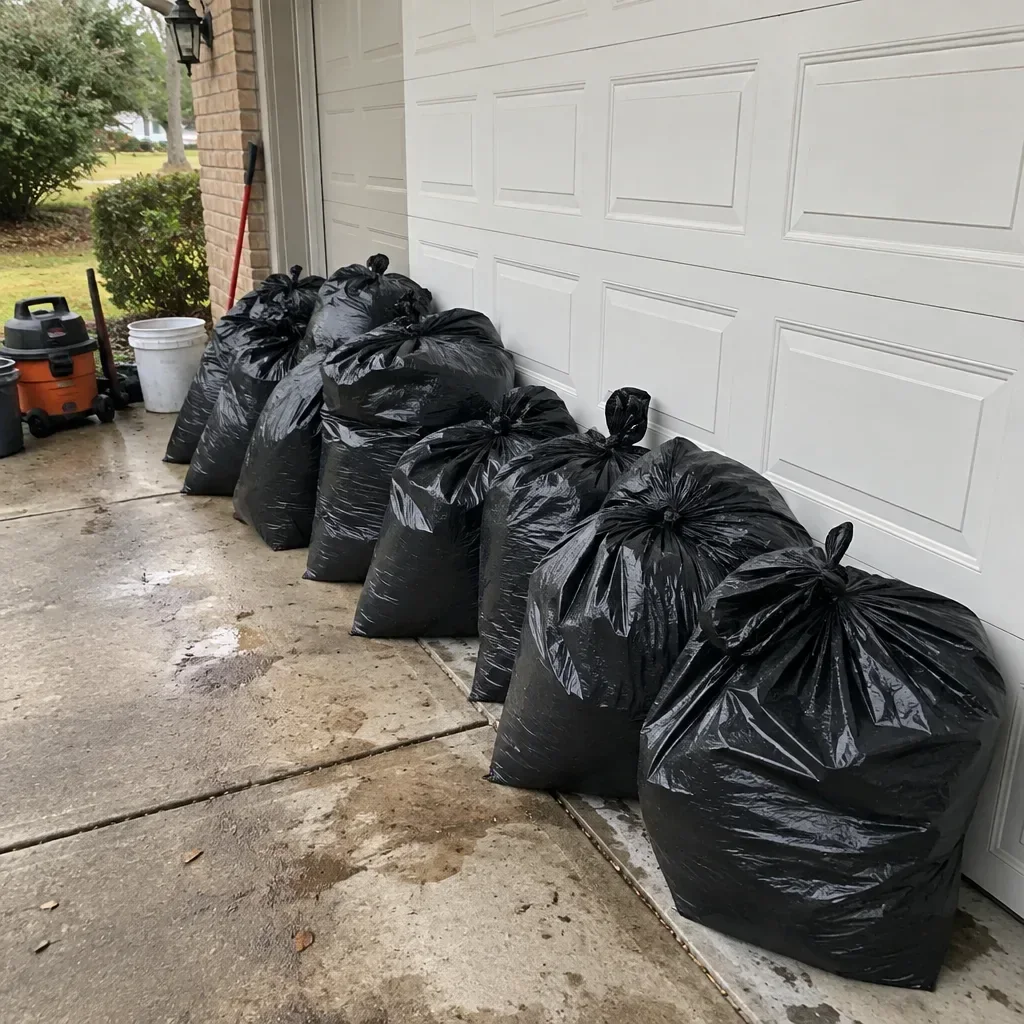
A Longmont sewage backup needs a prompt call, but arrival estimates depend on current availability and site details. Learn what to report and ask while rain may coincide with backups.
Read article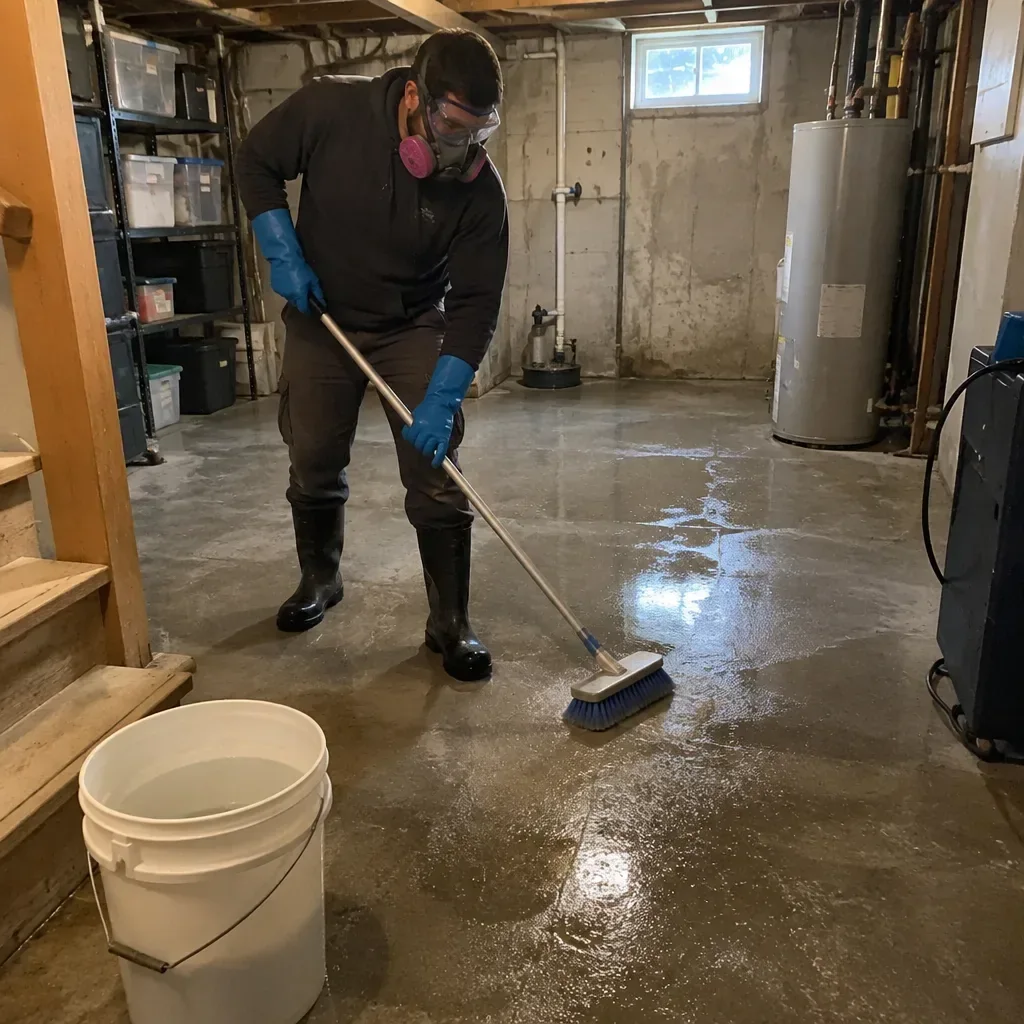
Sewage backup cleanup can involve decisions about damaged materials, treatment, and drying. Follow the stages from assessment and sewage removal through disinfection and structural drying, and see what rain-related conditions may change the schedule.
Read articleFor a Longmont address near County Road 34, first check whether the property is served by a sewer system and which provider handles it; location alone cannot settle that. Then ask the pros we connect you with whether they serve the address and can assess sewage affected materials. Discuss how extraction and containment fit the job, what disinfection covers, how drying is evaluated, and whether the visit or any task has a separate charge. Request the proposed work in writing, and contact a plumber about locating or repairing the backup source.
Call (303) 879-2581