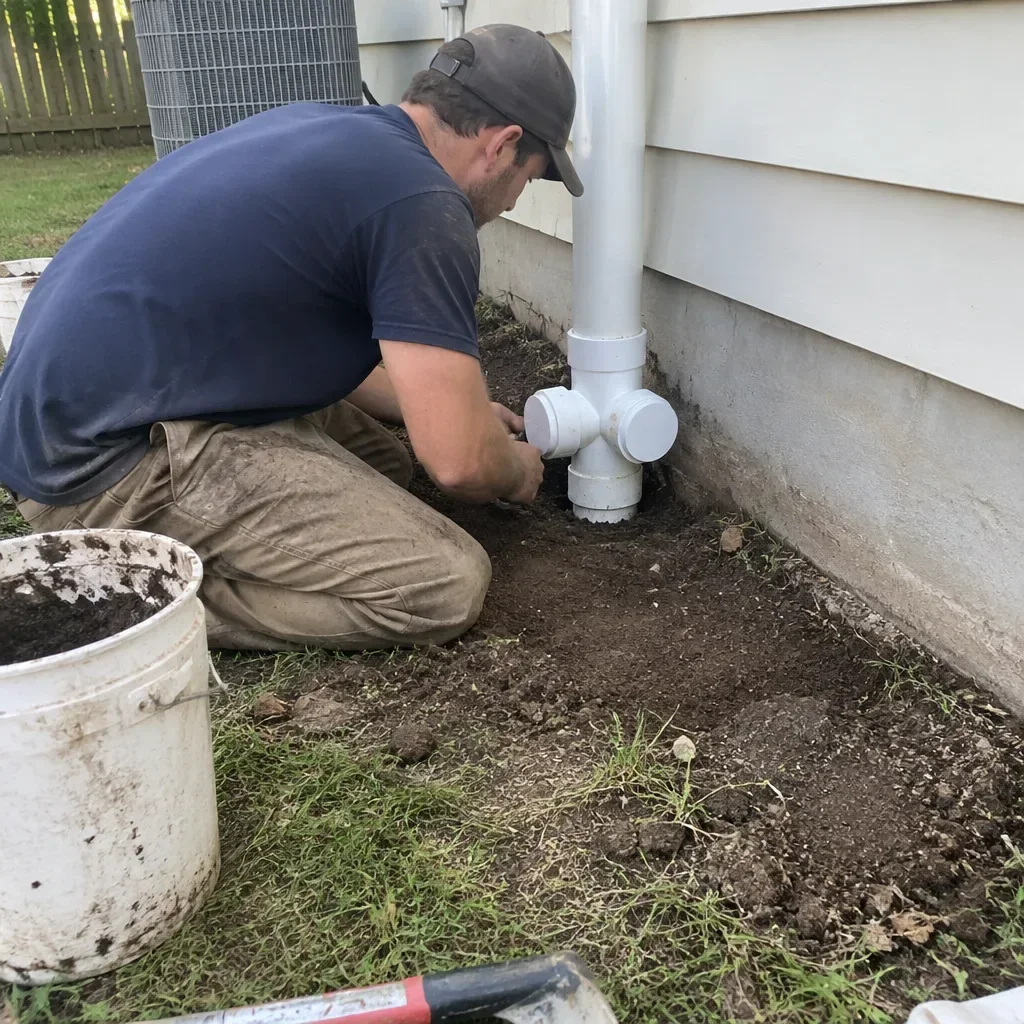
Returning Home
When can a Longmont homeowner return after sewage cleanup? See how completed work, moisture findings, and clear provider notes help guide reentry.
Read article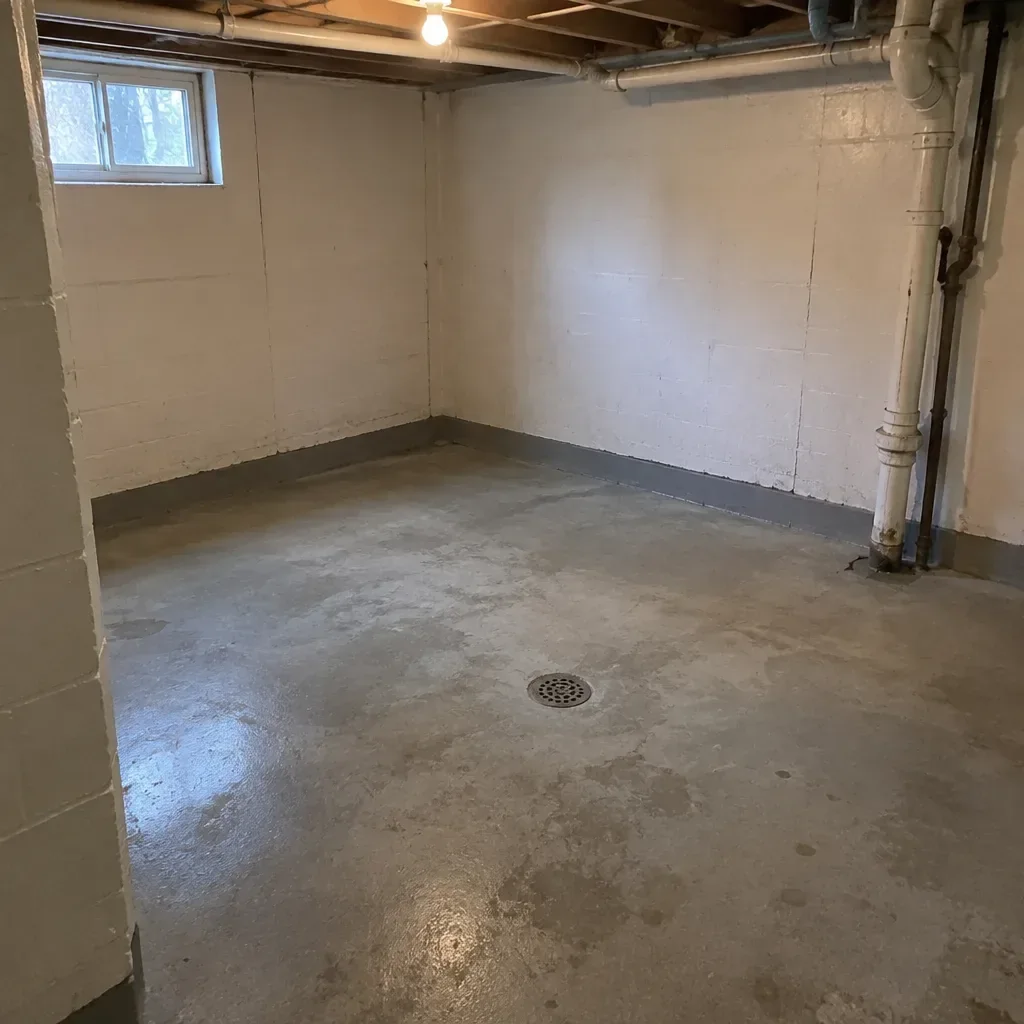
For Longmont floor drain spills, material condition guides cleaning or removal.
A floor drain backup can leave a shallow, dirty spread that is easy to underestimate: water may run beneath stored items or into flooring before its edge is obvious. In Longmont, a homeowner can note the room, nearby materials, and any damp area beyond the visible stain. Place names such as Coal Creek, Rock Creek, and Legacy Trail may help orient a service call, but they do not identify a property’s sewer provider or explain what caused the backup.
The cleanup estimate turns on how much water remains, what materials it contacted, and how far moisture reached below the visible surface. Moisture can remain inside hidden layers even after the surface appears dry. In Longmont, access to the affected room and an address-level check of the sewer connection can shape coordination; the city may investigate a reported backup to locate a sewer problem.
A Sandstone Ranch reference cannot determine what sewage touched inside a home; Floor Drain Sewage Cleanup follows the affected materials, while Mead, Dacono and Frederick names nearby coverage examples.
The home-focused cleanup details are at Sewer Backup Cleanup; owners responsible for tenant-occupied or commercial space can find their guidance at commercial sewer backup cleanup.
Look beyond the drain for the water’s path. A line of grit, residue, or dampness under stored items can show that contaminated water moved farther than the open floor suggests. In a Longmont home, note which rooms and belongings appear affected before anything is shifted; moving items through clean areas can carry residue with them. That map helps a cleanup provider assess the full work area and decide what needs removal, cleaning, or drying.
After a floor drain spills, mark how far the water traveled before deciding what can stay. Check floor edges, nearby stored items, and adjoining rooms; a shallow pool can leave contamination beyond the drain itself. Damp wall bases or a lingering musty smell can point to affected areas beyond the visible puddle. A provider can assess the boundary, contain the work area, remove unsalvageable material, then clean, disinfect, and dry what remains. Share where the backup spread when asking for an assessment.
Check the lower edges of walls, trim, and cabinets near the drain. Swelling, loosened finishes, or dampness can signal that water reached material beyond the floor, where drying may take longer. A Longmont homeowner can share which surfaces feel changed and where the visible damage stops. The cleanup provider can then assess concealed or absorbent materials and explain whether removal is needed before the remaining structure is cleaned and dried.
The provider surveys the drain, nearby contents, and adjoining surfaces, then separates affected space so contaminated water and debris are less likely to spread.
Standing wastewater is extracted; the provider checks the reach and condition of materials to determine what may be cleaned and what needs removal.
Removed material should be contained before it is carried out of the affected area.
After cleaning, the provider addresses remaining odor and dries affected building materials, checking moisture before repair or replacement proceeds.
A floor drain sits at floor level, so sewage can spread across a room before the damage is obvious. If it reaches absorbent flooring, stored goods, trim, or wall edges, those materials may hold contamination or moisture after the open surface looks clean. In Longmont, describing that reach clearly gives a cleanup provider a better basis to assess removal, cleaning, disinfection, and drying. Leaving damp or contaminated material in place can prolong odor and delay repairs.
For a Longmont home, cleanup should account for both the affected material and the limits of what is known about the property. A written record of affected rooms and materials can help keep the cleanup assessment focused on observed conditions. At an address near the St. Keep questions about affected surfaces separate from questions about who is responsible for the sewer line. The owner can ask the cleanup provider to explain why a surface can be treated in place or needs removal, and verify the backup source separately.
Keep a simple record of what the backup reached: photographs, a list of damaged items, and notes on cleanup steps can help document the loss. Ask the provider to distinguish materials removed from surfaces cleaned and parts of the structure being dried. Longmont’s sewer investigation may help locate a plumbing issue, but it does not by itself settle who is responsible for work inside a home or what an insurance policy covers; those details need separate confirmation.
Use Floor Drain Sewage Cleanup estimated ranges in Longmont as a preliminary guide; the pros we connect you with can confirm any visit charge and put the proposed cleanup scope in writing.
| Contamination Spread | Cleanup Process | Cost Influences |
|---|---|---|
| Narrow Cleanup | Longmont assessment: trace sewage reach and note the cleanup needed | an estimated $1,200–$3,000 |
| Room-Level Cleanup | Assessment-listed removal, surface cleaning, disinfection, odor control, and structural drying | an estimated $1,380–$3,900 |
| Expanded Cleanup | Expand the cleanup area only for impacts recorded in the assessment | an estimated $1,200–$3,000 |
| Structure-Level | Define structural cleanup from observed impact; leave backup-source diagnosis outside its scope | an estimated $2,880–$12,000 |
Compare the proposed cleanup tasks before weighing replacement options. Disinfection, drying, or odor treatment may add work, and choosing more durable materials for rebuilding can change the overall scope. The pricing guide gives a fuller picture of cost factors. A plumber must investigate or repair the backup source.
The provider first limits the work area, extracts standing contaminated water, and checks nearby surfaces and contents. Materials that absorbed sewage may need to be removed; suitable hard surfaces are cleaned and disinfected. Odor treatment and structural drying follow as needed. In Longmont, a reported backup may also need city investigation to locate the sewer problem, while cleanup addresses contamination inside the property.
No. The owner can ask the licensed pros we connect you with to document each item's condition before removal. A hard, nonporous surface may be cleanable after proper cleaning and disinfection; absorbent items or building materials with sewage contamination may need removal. The cleanup provider should explain the reasoning for each affected item so the owner can understand what is being kept and what is coming out.
Do not walk through or handle the contaminated area. Sewage can carry harmful germs, and tracking it elsewhere can extend the cleanup. If sewage is still backing up, avoid using plumbing fixtures until the source has been checked. If anyone may have been exposed, seek appropriate health guidance. In Longmont, share the affected rooms and visible spread with the cleanup provider without entering the area to inspect it yourself.
Air fresheners may cover a sewage odor without removing its source. If a smell persists, residue or an affected porous item may remain, so the provider should reassess the area before treating the air or surfaces. Longmont homeowners can report where the odor lingers and when it returns; that helps direct the follow-up inspection.
Drying begins after contaminated water is extracted and affected surfaces are cleaned. Drying equipment should be positioned so air can reach the damp materials. The time required depends on how far moisture traveled, which materials remain, and how wet they are. Ask what areas are being checked and what findings would show the structure is ready for the next repair work.
Cleanup starts by isolating the floor-drain area and extracting contaminated water. The provider assesses where sewage traveled, removes materials that cannot be suitably cleaned, and cleans and disinfects remaining affected surfaces before drying the structure and treating lingering odors. Cleanup addresses contaminated surfaces, while a plumbing assessment can help identify the source of the backup. Tell the provider which rooms and belongings were reached.
No researched range is listed; $7,000–$14,000 is an estimate for the cleanup work. Sewage odors can linger in porous items after visible water is gone.
Disinfection and moisture control follow sewage removal, while a plumber traces the line problem.
When can a Longmont homeowner return after sewage cleanup? See how completed work, moisture findings, and clear provider notes help guide reentry.
Read article
A Longmont sewage backup needs a prompt call, but arrival estimates depend on current availability and site details. Learn what to report and ask while rain may coincide with backups.
Read article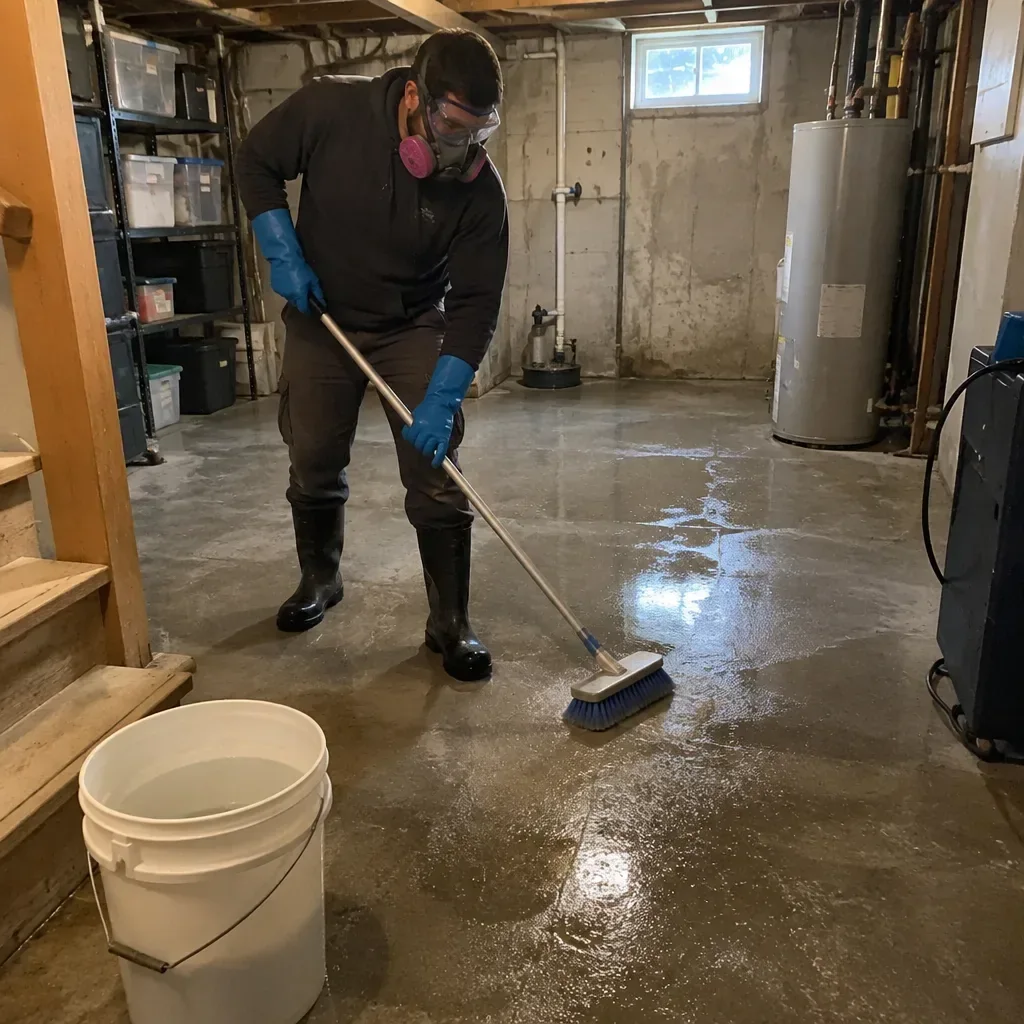
Sewage backup cleanup can involve decisions about damaged materials, treatment, and drying. Follow the stages from assessment and sewage removal through disinfection and structural drying, and see what rain-related conditions may change the schedule.
Read articleFor a Longmont address near County Road 34, first check whether the property is served by a sewer system and which provider handles it; location alone cannot settle that. Then ask the pros we connect you with whether they serve the address and can assess sewage affected materials. Discuss how extraction and containment fit the job, what disinfection covers, how drying is evaluated, and whether the visit or any task has a separate charge. Request the proposed work in writing, and contact a plumber about locating or repairing the backup source.
Call (303) 879-2581