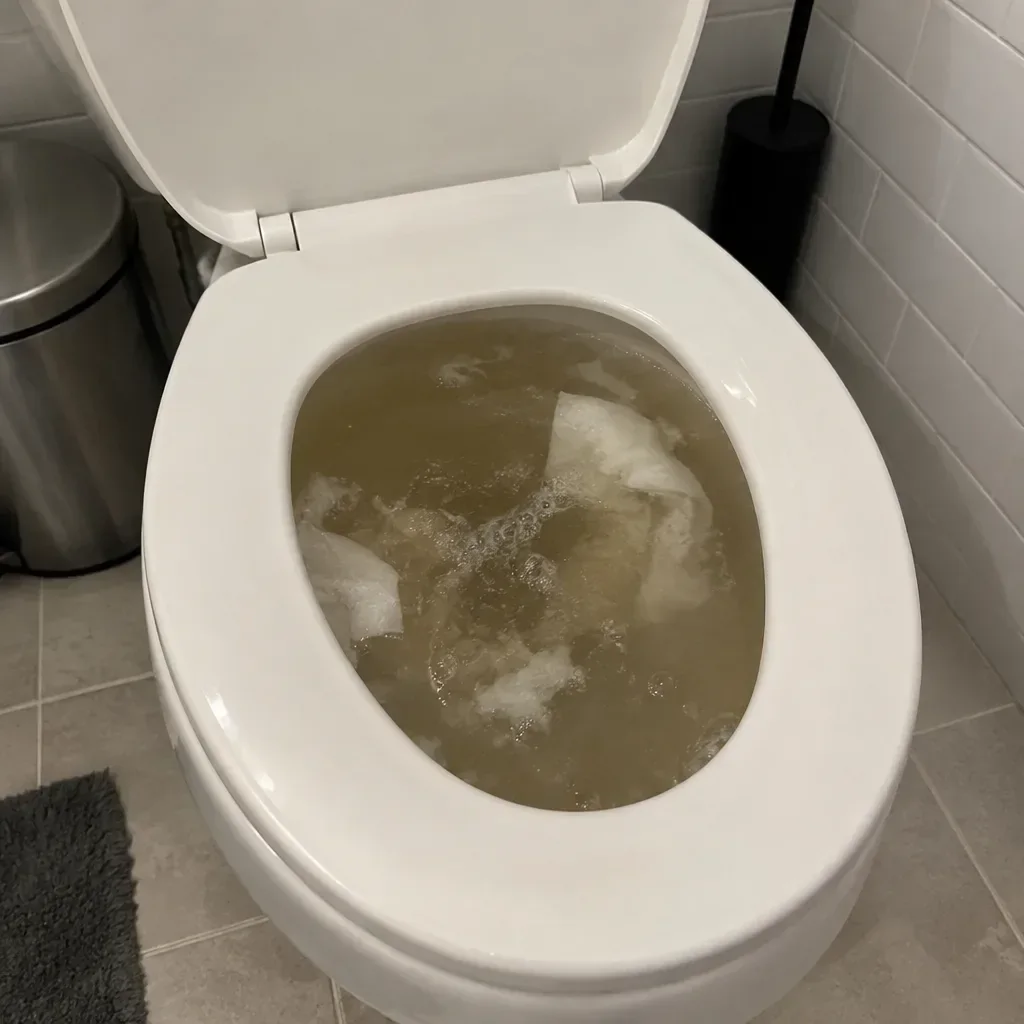
What a Sewer Backup Can Damage
Longmont receives rain and snow, and intense rainfall can add flow to sewer collection systems. That regional pattern makes storm timing relevant, but it cannot establish why a particular home backed up; property and system checks are needed.
Longmont records damage to infrastructure and the St. Vrain Greenway during the 2013 flood. That history shows local infrastructure can be affected by major flooding, but it does not identify the cause or sewer connection at an individual address.
A cleanup request associated with Longmont may come from a home within Boulder, even when postal and service boundaries differ. Share the street address with the pros we connect you with so they can confirm whether that property falls within their coverage.
First, Map the Affected Area
- First Steps
- Rain may coincide with a backup, but timing by itself does not establish the cause at a Longmont property.
- Affected Areas
- The water's entry point and visible boundary help define what an assessment should inspect; they do not prove its source.
- Surface Care
- Longmont's 2013 flood damaged infrastructure near the St. Vrain Greenway; that history cannot explain an individual backup.
- Moisture
- Photos taken from a safe, dry position can preserve a record of waterlines, affected rooms, and damaged belongings.
- Cause Check
- Dickens Farm Nature Area and Sandstone Ranch help orient Longmont addresses, but a landmark does not establish sewer connection or responsibility.
- NEXT CONTACT
- Longmont's rain and snow can affect water entering collection systems, but seasonal timing alone cannot identify a backup's cause. After heavy rain or snowmelt, note when water appeared and have the address and system checked.
- SALVAGE DECISIONS
- an estimated $2,700–$6,800
Damage That Begins Away From Drains
Surface floodwater can leave muddy floors and debris after a storm, so it may resemble a sewer backup. Where the water entered is a useful clue, but appearance alone cannot establish sewage contamination. A sanitary sewer backup enters through plumbing fixtures or drains, while surface floodwater reaches a building from outdoors. A dirty floor alone cannot distinguish them. Note where water first appeared and whether it emerged from a fixture; the source still needs assessment.
Cleaning Surfaces After Contamination
The licensed pros we connect you with use protective equipment and controlled work practices while handling sewage. They remove sewage and contaminated absorbent materials, then clean and disinfect surfaces that can remain. The assessment guides the work; it does not locate or repair the sewer problem.
The pros we connect you with first map affected rooms and separate them from clean parts of the home. They look for hidden contamination on lower surfaces before removing affected materials. The assessment records what was reached; drying follows after contaminated contents and residue are cleared.
One visit can cover extraction, cleaning, and disinfection when the affected space is accessible and drying is complete. If moisture remains within building materials, more drying and reassessment may be needed before cleanup is finished. Lingering odor can also call for treatment after contaminated material and residue are dealt with.
WHAT INITIAL CONTAMINATION CONTROL COVERS BEFORE REPAIR PLANNING
| Drying Needs |
Confirm the Service Type |
|---|
| Sewage reached only a few surfaces | Address sewer verification |
| Fresh sewage signs after cleanup | Porous debris removal |
| Affected rooms may include multiple building materials | Sewage-soiled contents cleared; surfaces sanitized, structure dried |
Record Visible Damage From a Safe Distance
Do not use a household vacuum, mop, or fan on sewage water, since moving it can spread contamination. Do not touch standing water, wet electrical equipment, or contaminated belongings. Leave removal and disinfection to an appropriate cleanup assessment; contact the sewer provider separately about source investigation.
When Soft Household Goods Hold Sewage
Storm water in a basement is not automatically sewage, but water emerging from a sanitary drain should be treated as contaminated until assessed. In Longmont, the owner should avoid walking through it and check from a dry area whether it reached carpet, drywall, or stored goods. Absorbent materials can retain contamination beyond the visible wet edge; photograph what is visible safely and arrange an assessment.
What Does Sewage Extraction Add to the Scope?
Describe where sewage traveled and ask for a cost outline; extraction, debris handling, and the extent of cleaning shape the work.The guide range reflects cleanup work in affected rooms, including material removal, surface treatment and drying where the assessment calls for them; it excludes plumbing diagnosis or repair. For a Longmont property, give the address and a useful location reference, such as Coal Creek or Northern Water. The pros we connect you with confirm any visit charge and written scope directly.Find full cleanup cost ranges in the pricing guide, with notes on what can change an estimate.