Cleanup Steps
Sewer Backup Cleanup Steps for Longmont, CO
Which steps cover separating the work area, removing sewage and damaged materials, treating surfaces, and drying the structure, and what belongs in the plan?
MOISTURE CONTROL
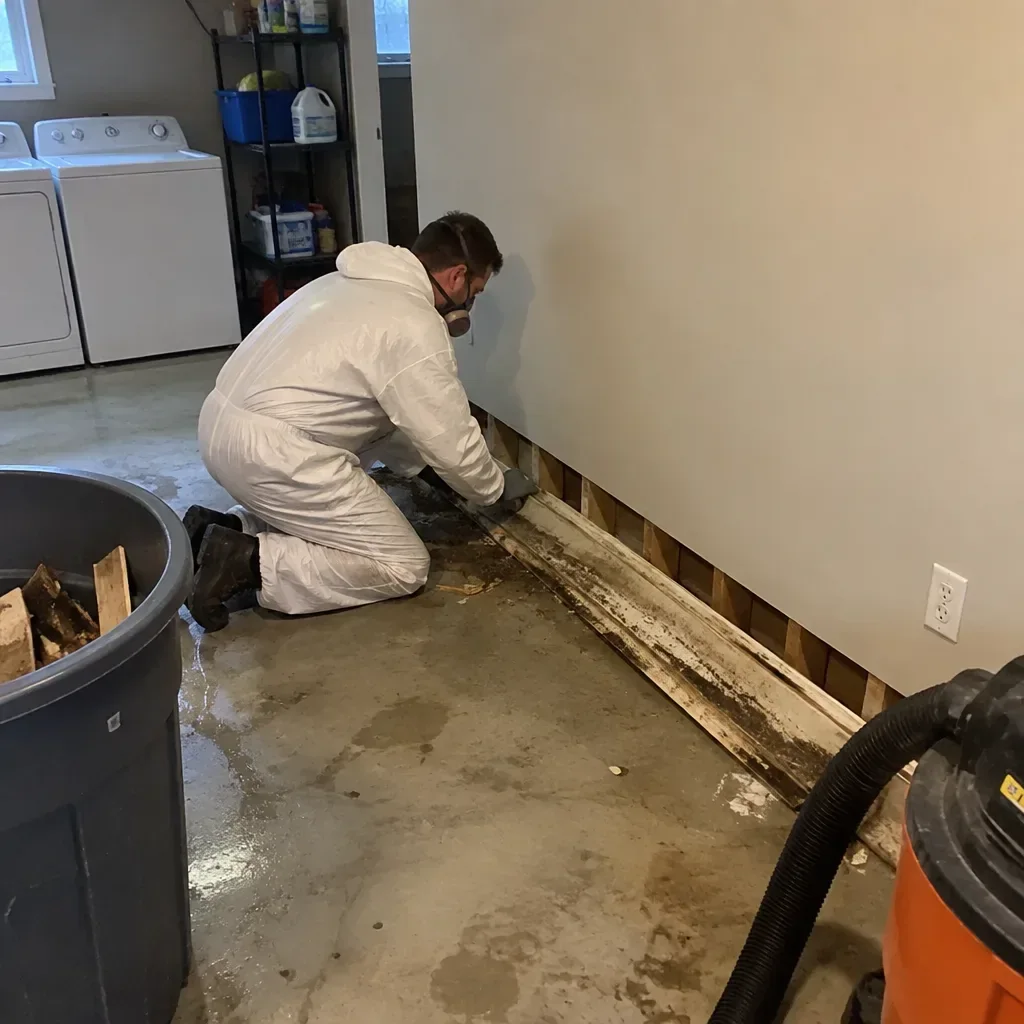
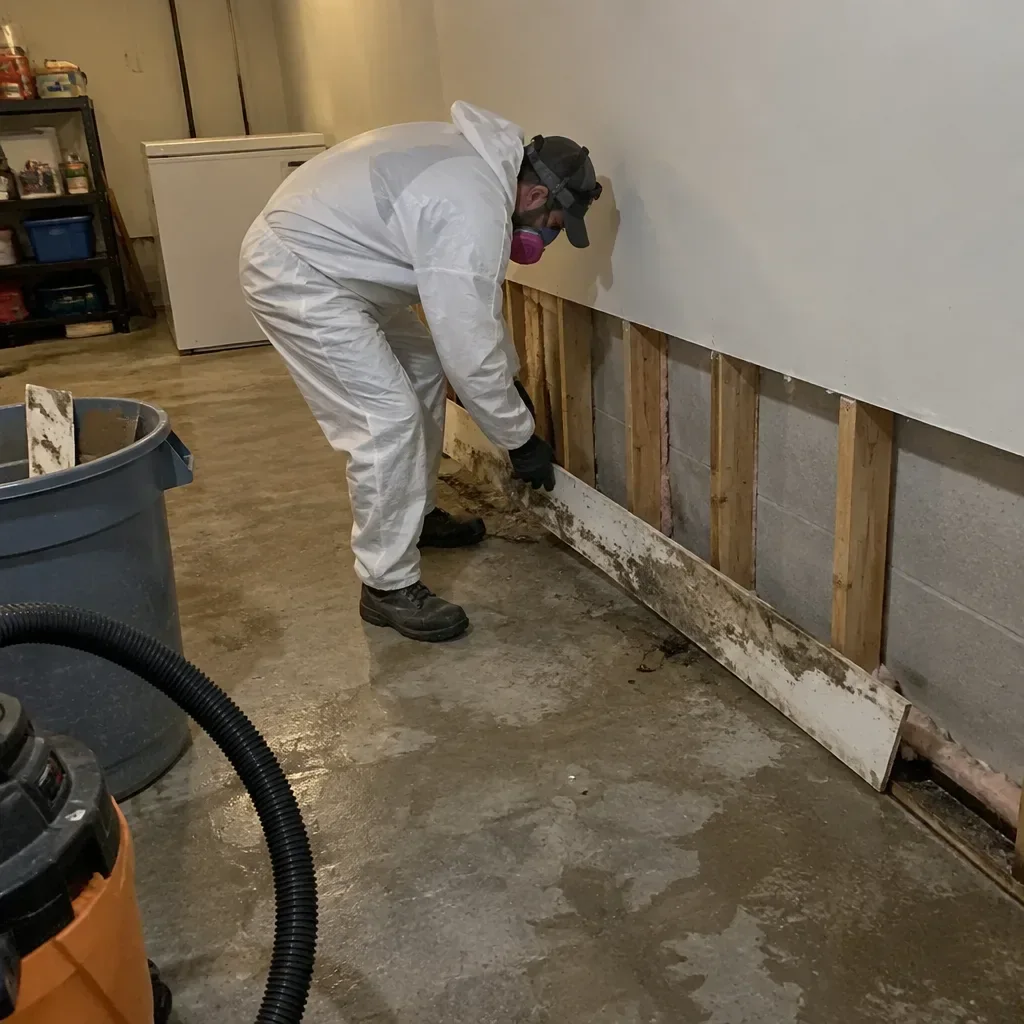
Cleanup deals with sewage and affected parts of the building after a backup. The plan may cover separating the work area, extracting wastewater, taking out contaminated materials, cleaning and disinfecting surfaces, treating odors, and drying. A plumber may separately need to find or fix the sewer-line problem.
The next pages examine cleanup work, contamination, damage that may persist, and cost guidance for cleaning and drying affected structures in Longmont. Planning figures for each cleanup job appear in the pricing guide.
Step by Step
Each Stage of Cleanup
Common Questions
Questions and Answers
Which sewage-soaked materials may need to be removed?
Absorbent building materials can hold sewage where cleaning may not reach it, so removal may be needed. The pros we connect you with assess how far the contamination traveled before deciding what can remain. For a Longmont property near Legacy Trail, the landmark does not change that material-by-material decision. A homeowner should leave affected materials for the cleanup professionals to assess rather than handling them.
How do cleanup pros decide what can stay in place?
The assessment follows the contamination into the affected area and considers which materials can be cleaned and which have been damaged too deeply to keep. That review guides what needs removal, surface treatment, or drying. A Longmont home near Coal Creek still needs its own assessment; location alone cannot show how far sewage reached or what condition a particular material is in.
What should happen when affected materials cannot be adequately cleaned?
Cleaning removes sewage and residue from surfaces selected for treatment. Disinfection then addresses contamination that may remain after that physical cleaning. The licensed pros we connect you with can explain which affected surfaces are suitable for disinfection. For a Longmont property, disinfection is part of treating affected surfaces, not a substitute for removing materials that cannot be adequately cleaned.
Why does the cleanup plan include drying the structure?
Sewage removal and surface cleaning do not necessarily take moisture out of building materials. Drying addresses that remaining moisture after affected materials and surfaces have been assessed and treated. Without it, dampness can persist in parts of the structure even when visible sewage is gone. At a Longmont property, including one near Centennial Field, the drying scope depends on which materials were affected.
Discuss Cleanup Help
Not sure which area was affected?
Explain what the backup reached when calling. Ask about assessment and visit fees, current scheduling, the written scope, and any warranty language; confirm each detail with the pros we connect you with.
Call (303) 879-2581