Basement Sewage Cleanup
A clear path from basement assessment to final moisture checks in Longmont.
View Basement Sewage Cleanup help in Longmont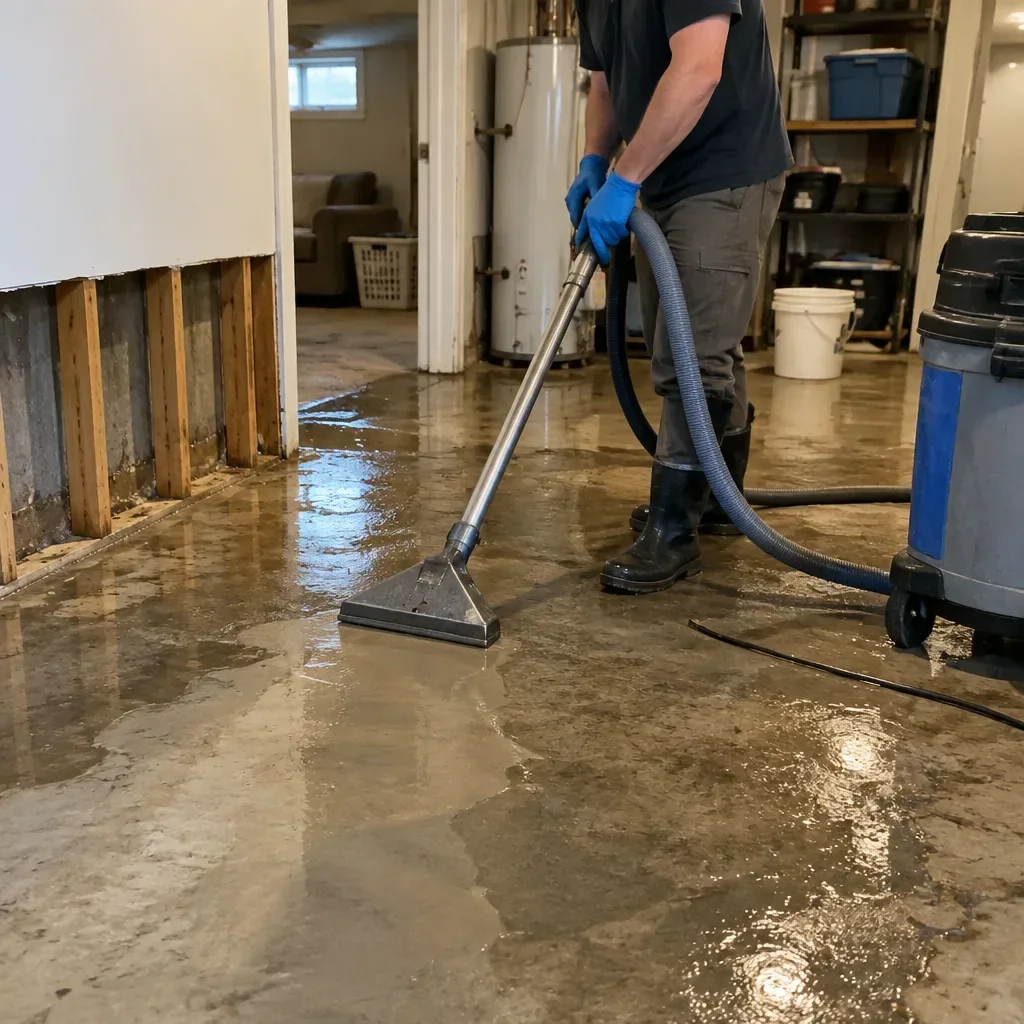
Start by confirming sewage has entered the building, then note which rooms and materials it reached. In Longmont, a home near St. Vrain Greenway may need more than liquid removal: cleanup can include extraction, taking out contaminated absorbent items, washing and disinfecting salvageable surfaces, treating lingering odor, and drying damp building materials. Those steps address indoor contamination and its effects. A separate check is needed to identify what caused the backup; cleanup work does not locate or fix a blockage in the sewer line.
Start by checking what entered the building and how far it traveled. In Longmont, sewage on a hard floor may be removed, then the surface cleaned and disinfected; absorbent flooring or wall materials can retain contamination and may need removal. An assessment identifies what can be cleaned, what must be discarded, and which building materials need drying. A property address still needs a provider check; Left Hand Creek and Coal Creek do not identify the sewer connection or explain a backup. Cleanup handles indoor contamination; a plumber investigates a blockage or repairs the line.
After extraction, material decisions shape what follows. Porous items that took in sewage may have to come out; surfaces kept in place need cleaning and disinfection before structural drying. At a Longmont home near Legacy Trail or Dickens Farm Nature Area, restrict access for household members and pets until affected rooms have been cleaned and assessed. Odor treatment may follow removal of contaminated contents and surface cleaning. Wastewater can seep beneath flooring, where surface cleaning alone may not reach it. Removing damaged contents can expose additional surfaces that need cleaning.
The home-focused cleanup details are at Sewer Backup Cleanup; owners responsible for tenant-occupied or commercial space can find their guidance at commercial sewer backup cleanup.
Use the pages below to review cleanup work and related services before discussing what may fit with the pros we connect you with.
A clear path from basement assessment to final moisture checks in Longmont.
View Basement Sewage Cleanup help in Longmont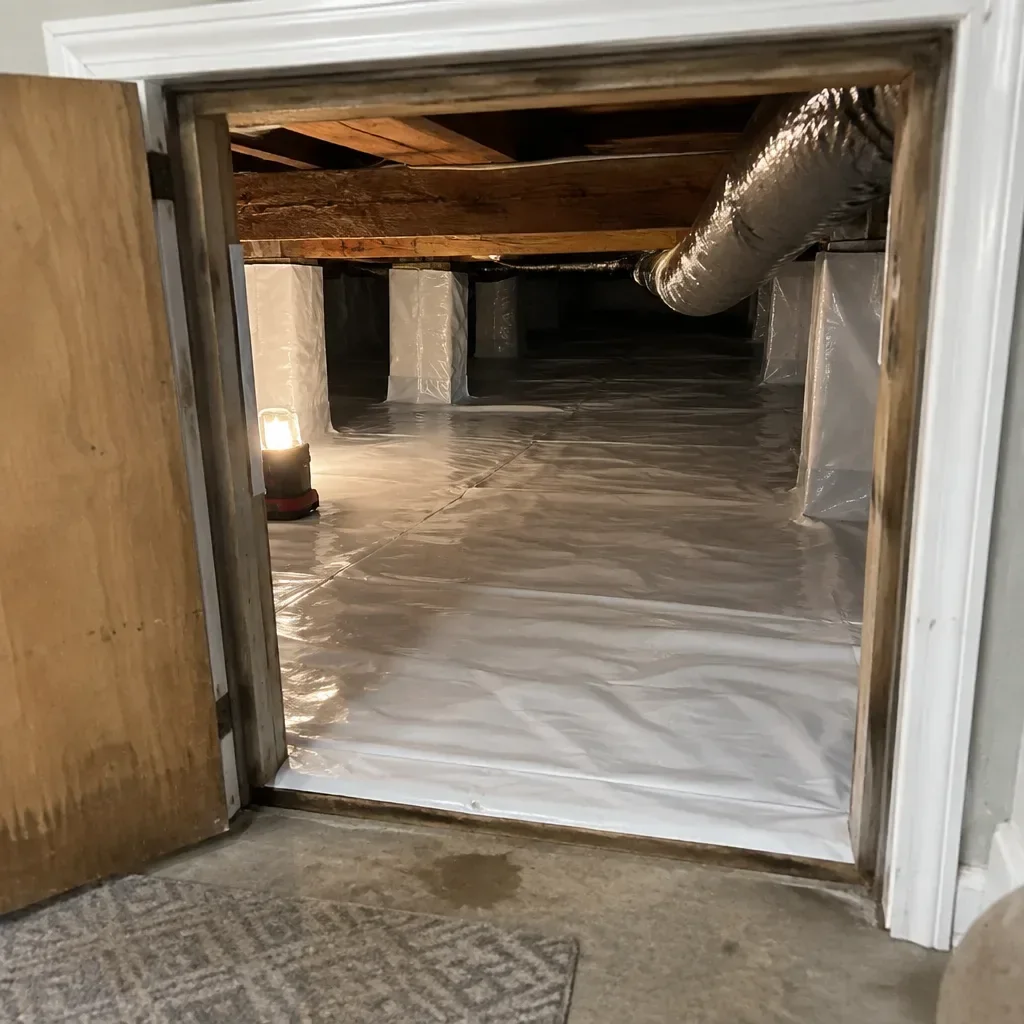
Keep sewage contained while the crawl space is cleared, cleaned, and dried.
View Crawl Space Sewage Cleanup help in Longmont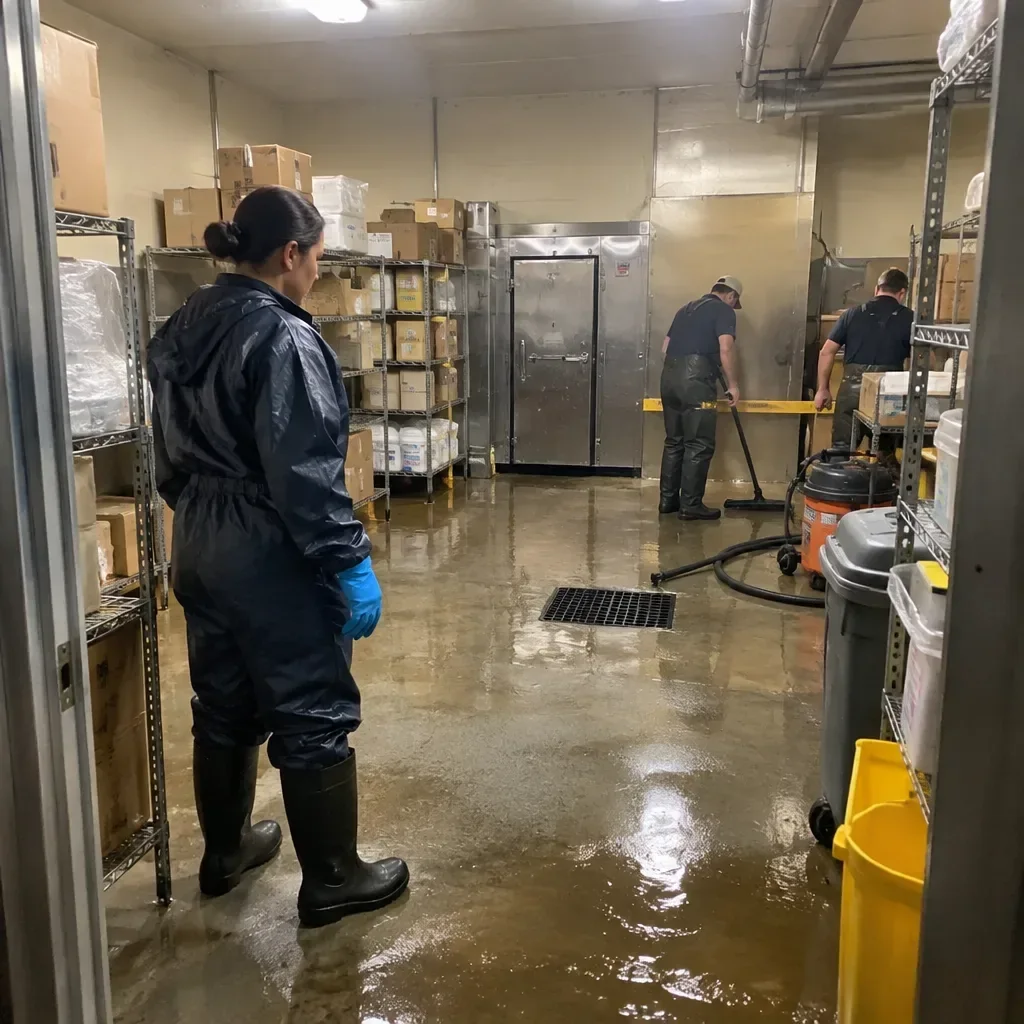
The pros we connect you with assess reach, contain sewage, and plan cleanup.
View Toilet Overflow Sewage Cleanup help in Longmont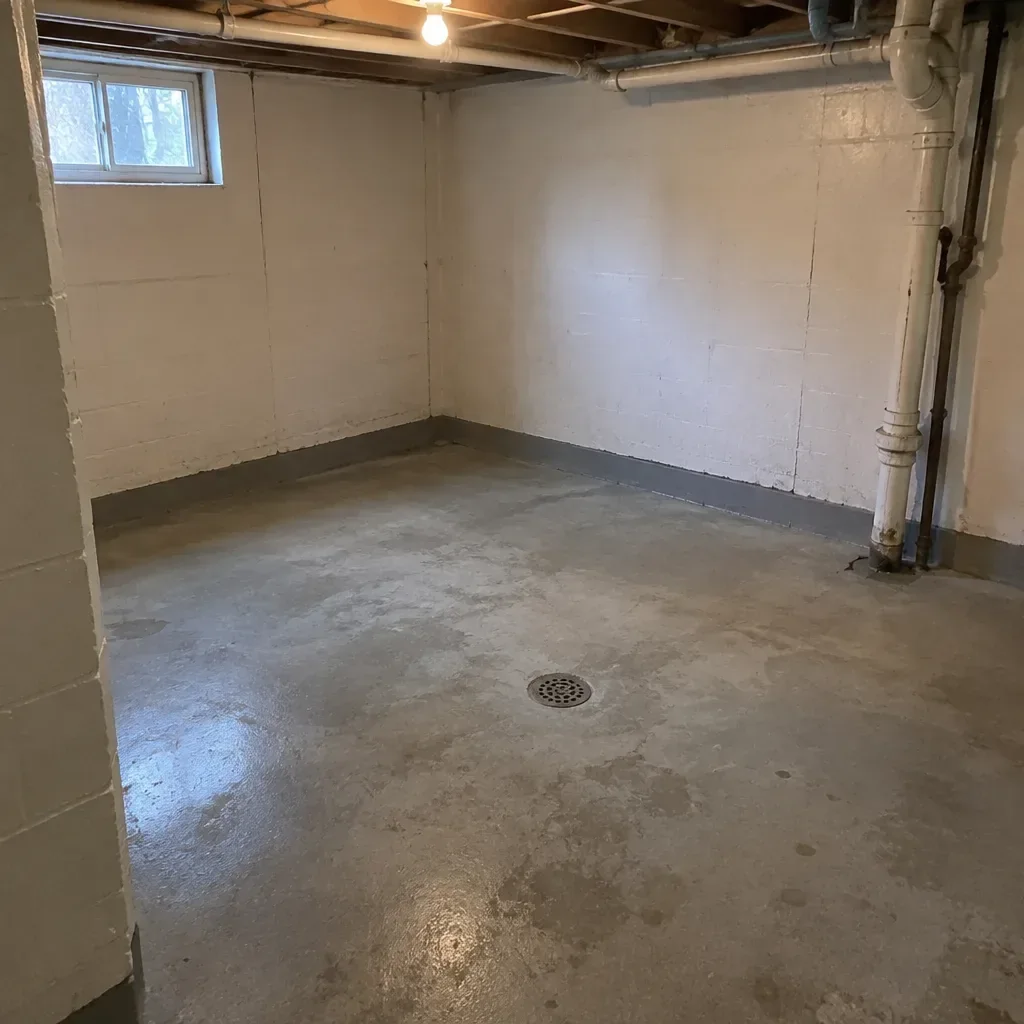
For Longmont floor drain spills, material condition guides cleaning or removal.
View Floor Drain Sewage Cleanup help in LongmontThese guides explain cleanup decisions, help sort affected materials, and point to details worth recording.
Review how separating affected rooms, removing sewage, cleaning surfaces, and drying can shape the cleanup plan.
Use the home cleanup guide to review entry precautions, which materials may be removed, and what to settle before work is approved.
Ask for clear definitions of unfamiliar words in an inspection, cleanup plan, or instructions for drying building materials.
Note where sewage reached, which items got wet, whether odors remain, and where moisture is still present.
Check whether sewage has entered the living space. If it has, the affected structure needs cleanup; a plumber traces the blockage or line damage behind the backup. Near Ames Park, the landmark cannot tell an owner where the fault lies. A visible backup alone does not identify the blockage or line damage.
Yes. A plumber can investigate the plumbing problem while a cleanup professional evaluates what the backup reached indoors. Have them agree on access and the order of work: plumbing work may affect when nearby areas can be cleaned, so coordination can help both parts proceed. In Longmont, give the provider the property address and confirm its sewer connection; a ZIP alone does not identify the wastewater system. Keep people and pets out of affected rooms.
Cleanup can include an inventory of affected contents, sorting building materials for cleaning or removal, and checking whether moisture remains in the structure. Drying can be part of the same project after sewage and unsalvageable material are cleared and treatment is complete. Before discarding damaged items, photograph them and keep a written list; those records may help document a claim, though coverage depends on the policy. For a Longmont address, confirm the sewer connection directly; being near Sandstone Ranch or Left Hand Creek does not establish the provider.
Yes. Drying can follow sewage removal, material removal where needed, and cleaning and disinfection. The affected structure is checked for remaining moisture so drying can address the materials that need it. Near Dickens Farm Nature Area, the landmark does not determine the scope; the condition of the property does. Keeping the steps in sequence helps avoid drying over contamination that still needs attention.
Confirm the wastewater connection and provider for the specific address. A Longmont ZIP code alone does not establish whether a property connects to public sewer, uses an onsite system, or falls within a particular service area. If the property uses septic, describe that when seeking help; an onsite wastewater problem calls for a different evaluation from a sanitary sewer backup.
In Longmont, ask how the proposed work moves from sewage extraction to handling affected building materials, surface treatment, odor work, and drying. Porous items may not be suitable for cleaning alone, so the assessment should explain what is kept and what is taken out. A property near Left Hand Creek can describe where the backup surfaced and what it touched. Ask which service options fit those conditions and when the provider can assess them. Keep notes of the rooms and belongings involved for the discussion.
Call (303) 879-2581