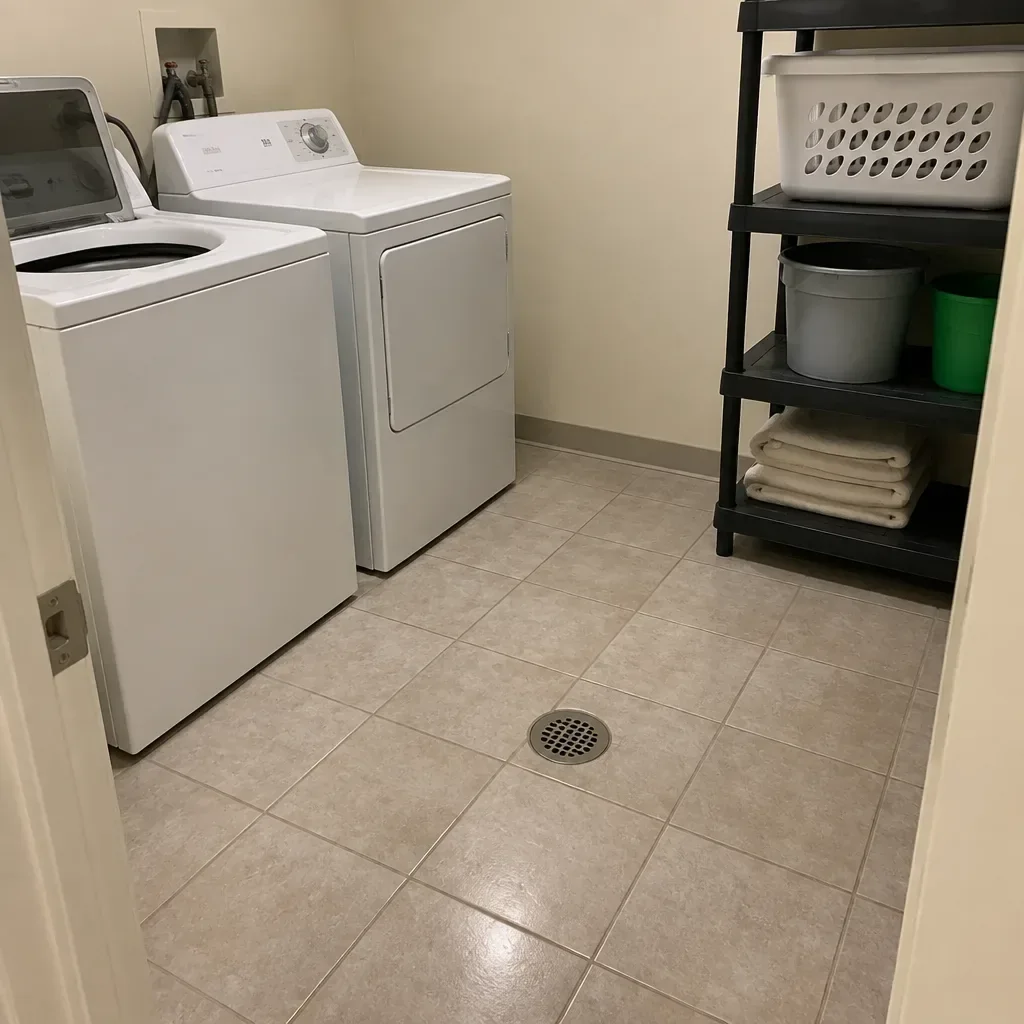
Office Building Cleanup
Longmont Office Guide. Plan office sewage cleanup around safe access, building operations, and records that support later review.
See what cleanup involves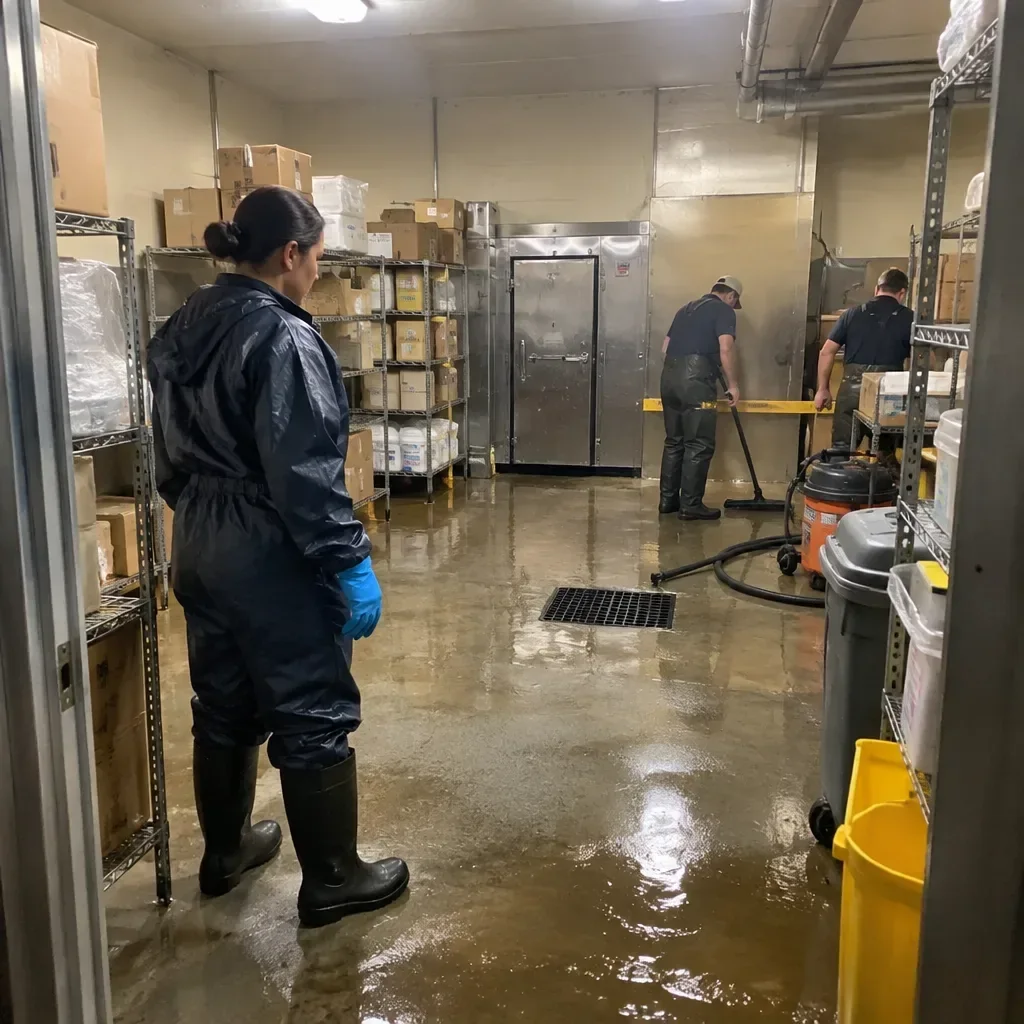
Start with the affected rooms, then check how they connect to the business’s daily work before arranging a visit. In Longmont, an owner can tell the pros we connect you with what operations have paused, which areas need assessment, and whether access or scheduling has constraints. Ask what appointment options are available, whether a visit charge applies, and when the work could be scheduled; confirm those details directly with the provider. Clear answers up front help the owner plan staff access and decide what needs attention first.
When sewage reaches a business, the first operational question is which rooms or work areas can still be used; the next is how to sequence cleanup around staff, stock, and customer access. For an owner coordinating multiple Longmont properties, keep each site’s affected area, operating limits, and cleanup status in its own log. A hypothetical pair of locations near the St. Vrain Greenway and Sandstone Ranch shows why one shared update can blur which address needs attention. Cleanup handles indoor contamination; identifying and repairing the backup source is separate work.
For an owner tracking sites in Longmont, Berthoud, or near Coal Creek, record each property separately: the rooms affected, materials involved, photos, and cleanup steps. That gives the owner a clearer way to compare progress and share property-specific information when coordinating work across locations. Ask the pros we connect you with what records they provide, then keep those records with the owner’s own notes. Water may spread beneath flooring or behind wall finishes, leaving damage beyond the areas visible during an initial walk-through.
A useful commercial record links each affected address to photos, an itemized list of damaged materials, and notes on work completed. For a Longmont operator, those details let managers compare status across locations and give an insurer a clearer account if a claim is filed; they do not establish coverage or who is responsible for the sewer line. If a site is near Dickens Farm Nature Area, use its street address as the identifier, with the landmark only as a staff reference. Confirm the property’s wastewater connection and applicable requirements before drawing conclusions.
Longmont Office Guide. Plan office sewage cleanup around safe access, building operations, and records that support later review.
See what cleanup involves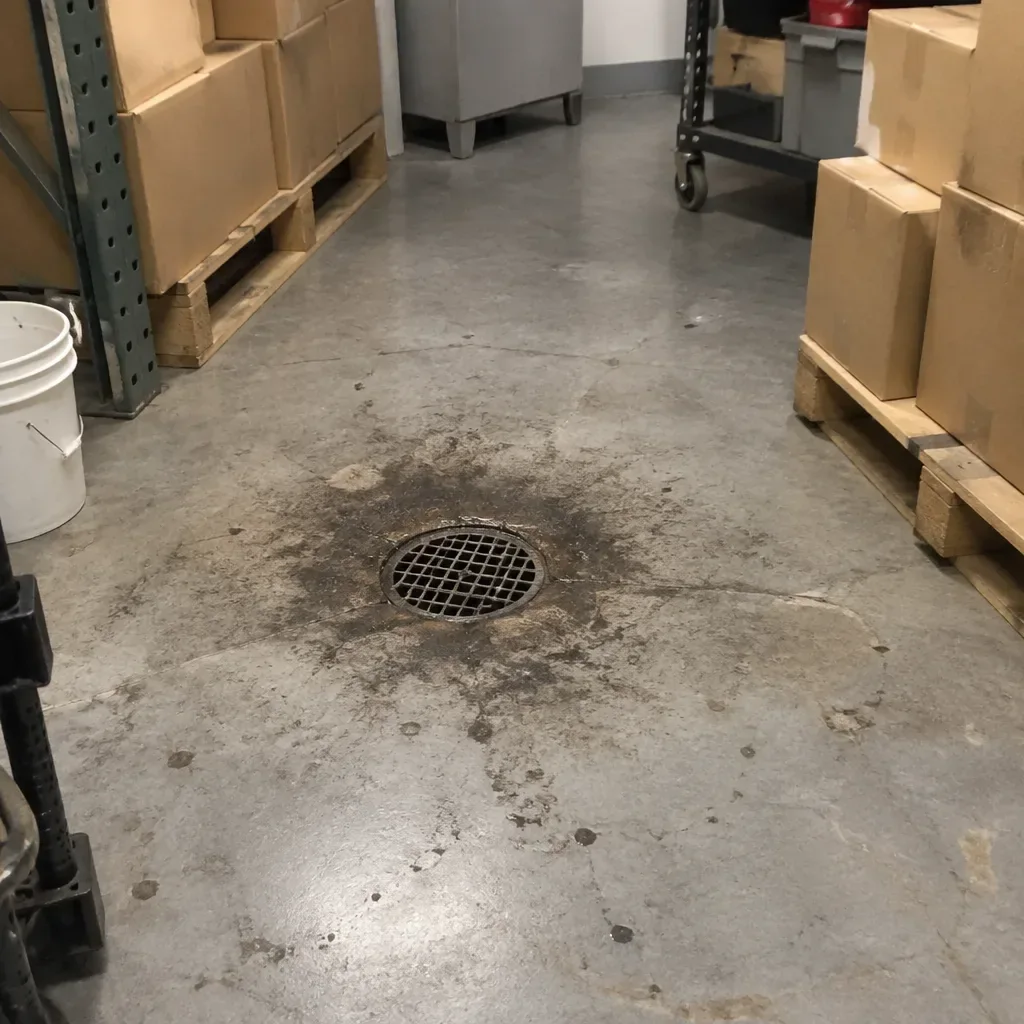
Retail sewage cleanup. Plan Longmont retail sewage cleanup around affected stock, store access, and clear records of each decision.
See what cleanup involves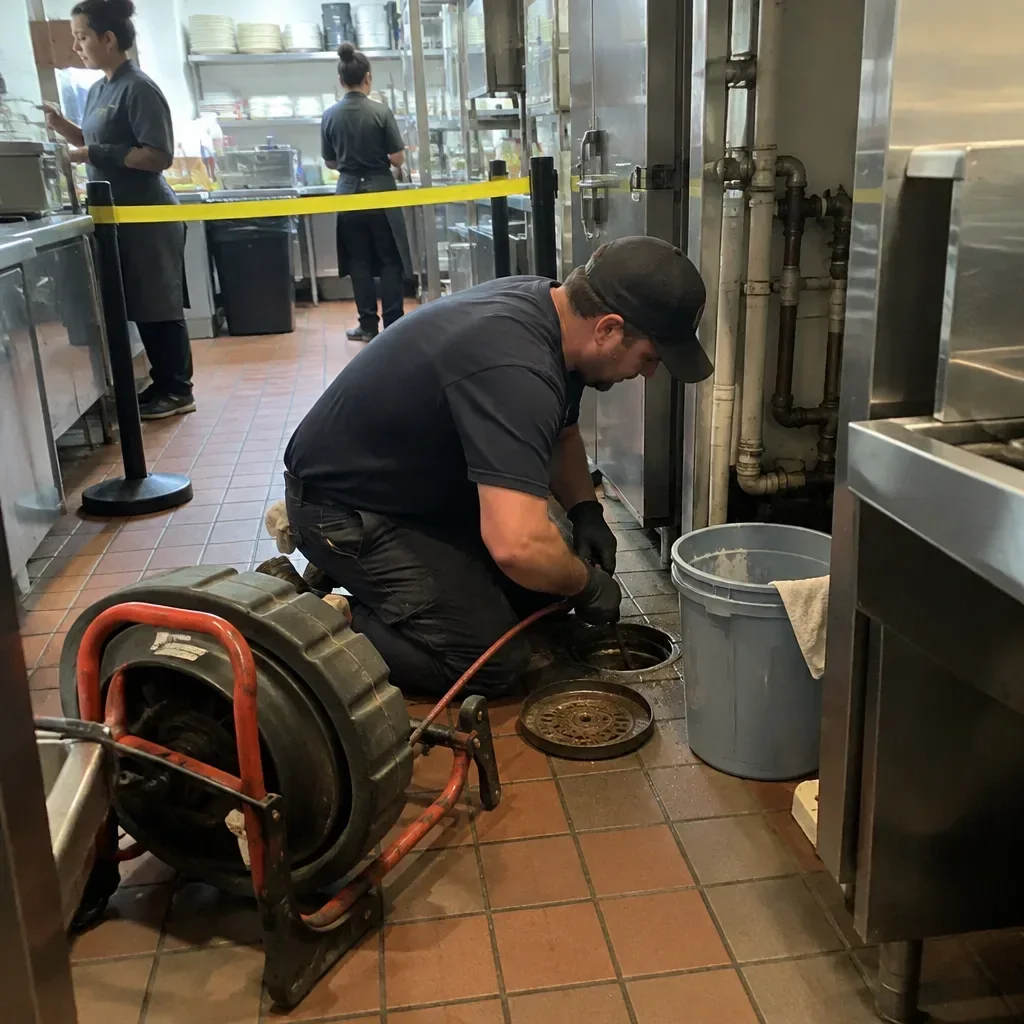
Food Service Cleanup. Follow the path of contamination through kitchen, storage, and service areas before planning restaurant cleanup in Longmont.
See what cleanup involves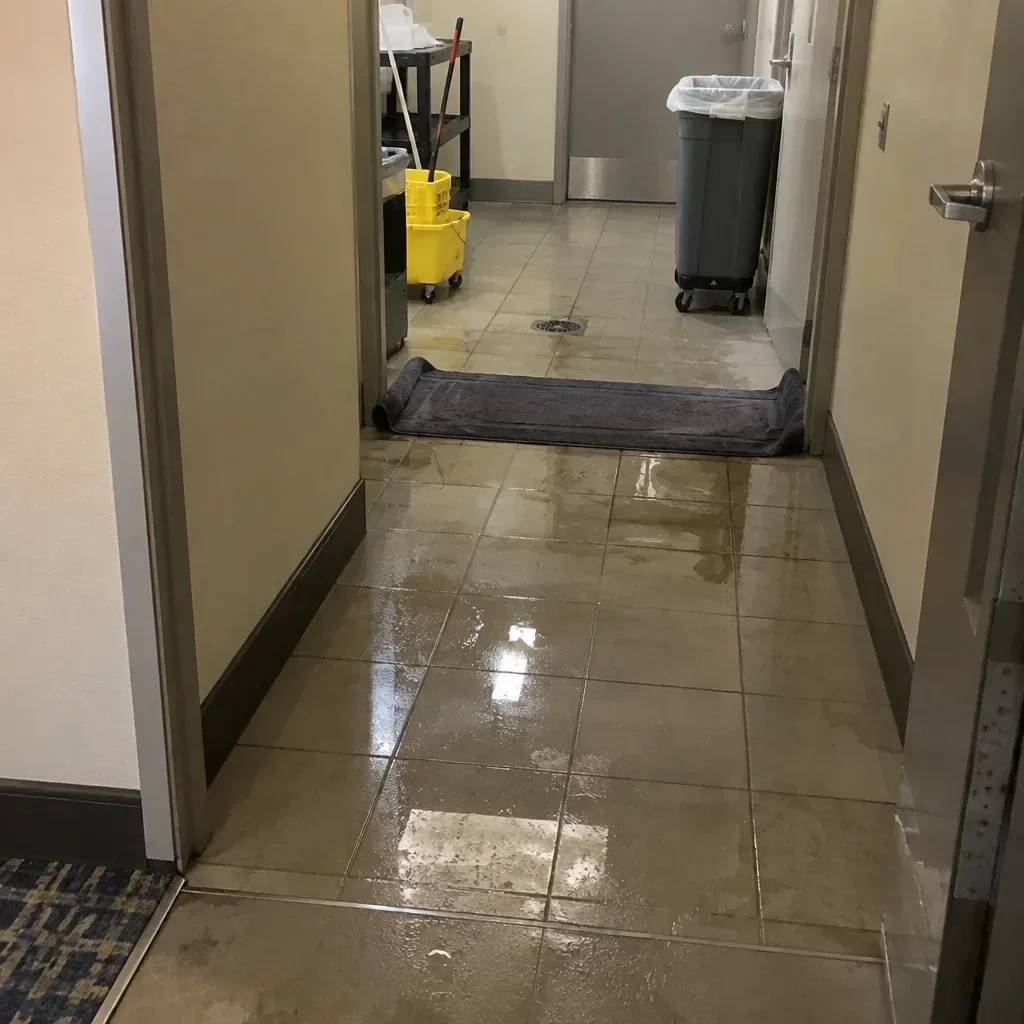
Hotel Backup Planning. Coordinate hotel sewage cleanup by address, linking room impacts and shared-space work to each property’s operating plan.
See what cleanup involves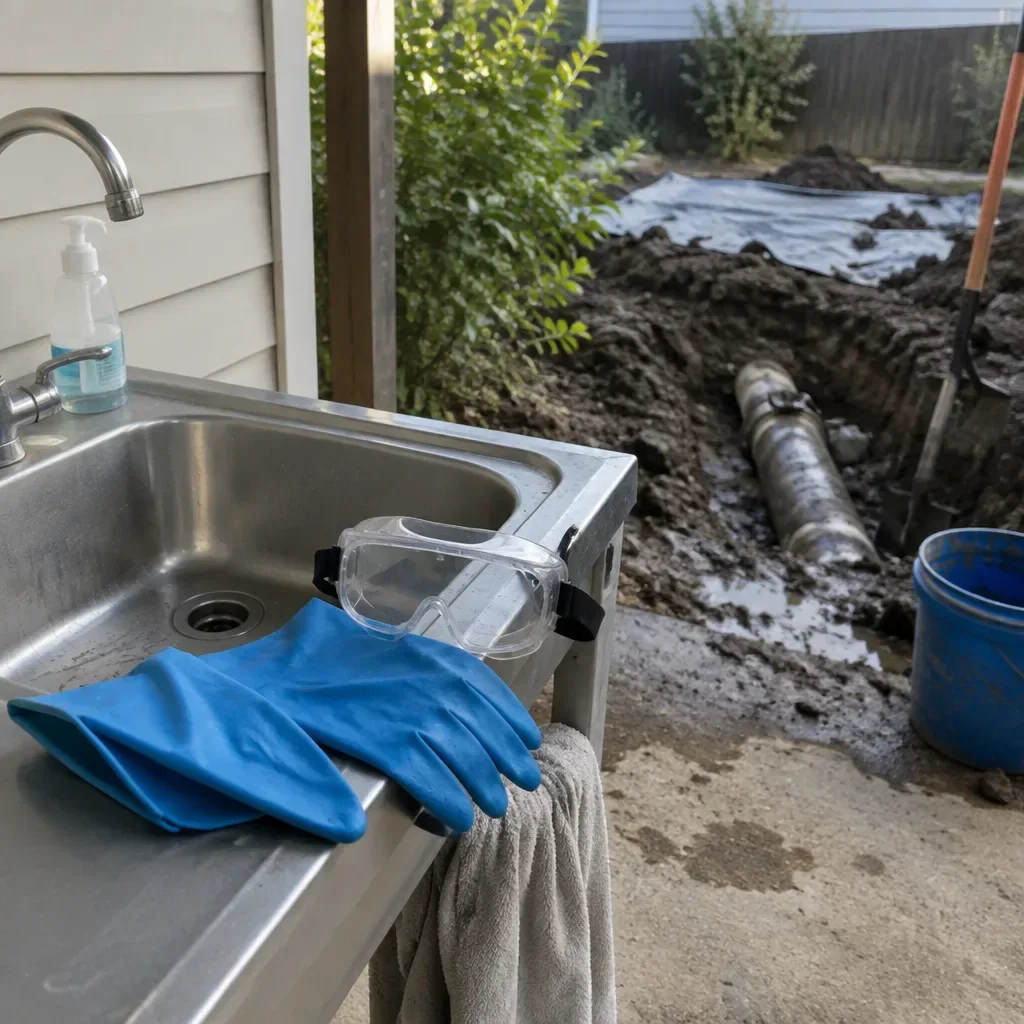
A clear path from basement assessment to final moisture checks in Longmont.
View Basement Sewage Cleanup help in Longmont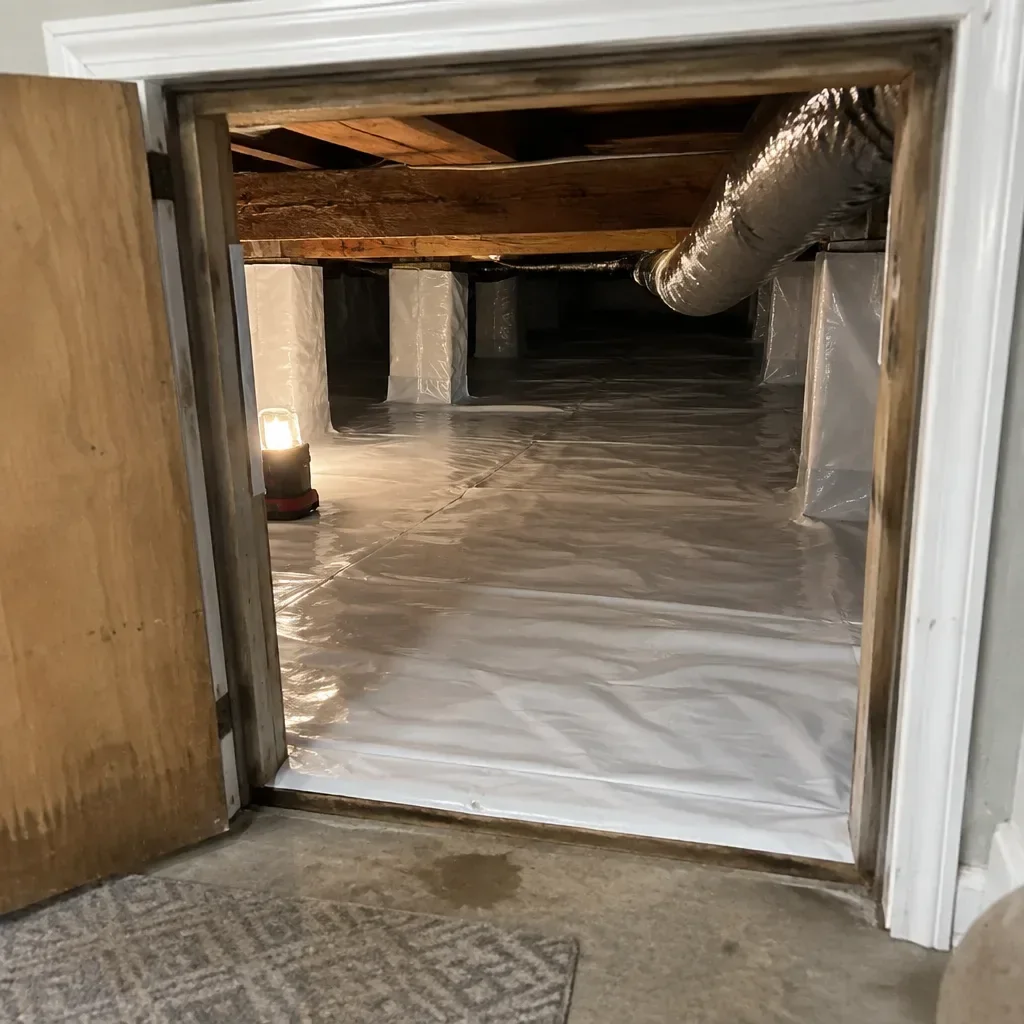
Keep sewage contained while the crawl space is cleared, cleaned, and dried.
View Crawl Space Sewage Cleanup help in LongmontThe pros we connect you with assess reach, contain sewage, and plan cleanup.
View Toilet Overflow Sewage Cleanup help in Longmont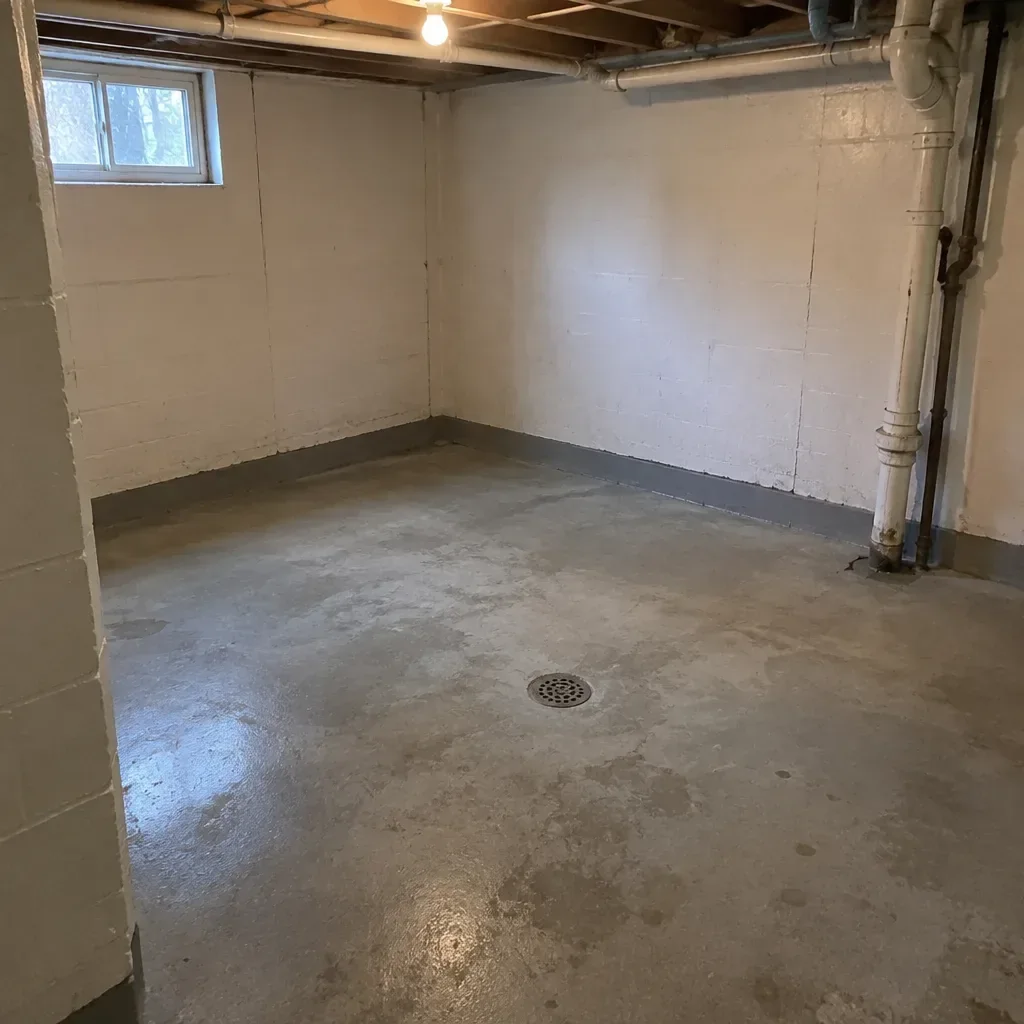
For Longmont floor drain spills, material condition guides cleaning or removal.
View Floor Drain Sewage Cleanup help in LongmontStart with the address and affected rooms, then note what was touched and what cleanup work followed. Take photos before materials are moved, when safe, and keep notes and any plumber or city findings with the file. Record any affected inventory or equipment as well as the rooms involved. These records can support an insurance review, but coverage depends on the policy.
Do not reopen an affected room just because standing water is gone. Building materials may still be wet after standing water is gone. Keep staff and customers out until the contaminated area has been cleaned and assessed. For a Longmont workplace, reopening timing follows the condition of that site, not a calendar promise.
It may be possible, but the pros we connect you with need to confirm their availability and the work plan; no schedule is automatic. Tell them which rooms are affected, when staff can provide access, and whether a separated work zone is possible. In Longmont, keeping employees and visitors clear while extraction and cleanup proceed helps avoid contact with contaminated materials.
Give each address its own contact, room list, photos and status so a finding at one site is not carried over to another. For Longmont locations, a landmark such as Sandstone Ranch, Left Hand Creek, or the St. Vrain Greenway can help distinguish entries in an internal log; it does not identify the sewer provider or cause. Share each site’s findings with the pros we connect you with and the plumber. The plumber diagnoses the source; cleanup handles sewage and damage inside.
No researched range is available; $7,000–$14,000 applies to the cleanup estimate. Once they assess the damage, the pros we connect you with can confirm pricing, accounting for affected surfaces, contaminated items, and structural drying needs.
Before arranging a visit in Longmont, note which rooms or work areas got sewage and identify flooring, stored goods, wall finishes, or other materials it touched. Note whether any sewage remains on the floor or other surfaces. Keep materials that sewage touched apart from items that were not affected. Confirm service reach for the address, scheduling, any assessment or visit charge, and whether odor work or other tasks change the written scope. If the source is unclear, ask who can investigate it.
Call (303) 879-2581