Sewer Backup Warning Signs in Longmont
In Longmont, start with what is visible: sewage on a hard floor, then nearby absorbent items or finishes that may have taken it in. Look at floor joints and lower trim too, where liquid may settle beyond the obvious spill. Next, note any sewer-like odor after water is gone, then check for damp building materials. Those signs help route cleanup and drying; they do not reveal why the backup happened.
The first clue is often what is on the floor or what smells wrong, not why the backup happened. This page follows those visible signs through cleanup steps that may fit, so an owner can ask about the proposed work. A plumber can investigate or repair the source.
Near Coal Creek or Rock Creek, the same order applies inside a home: keep people and pets clear, avoid handling affected contents, and arrange an assessment. Sewage can carry harmful contaminants; cleanup may require extraction, removal of porous items, surface cleaning and disinfection, odor treatment, then drying. Follow disinfectant label directions, including contact time and safety steps. A plumber can investigate a blockage or sewer line and handle repairs; cleanup treats contamination in the structure. In Longmont, the address and source still need checking.
Signs needing prompt cleanup
Treat it as urgent if sewage is still moving, someone might enter the affected space, or wet materials have not been assessed.
| Observed condition | Possible meaning | When to Begin Cleanup | View details |
|---|---|---|---|
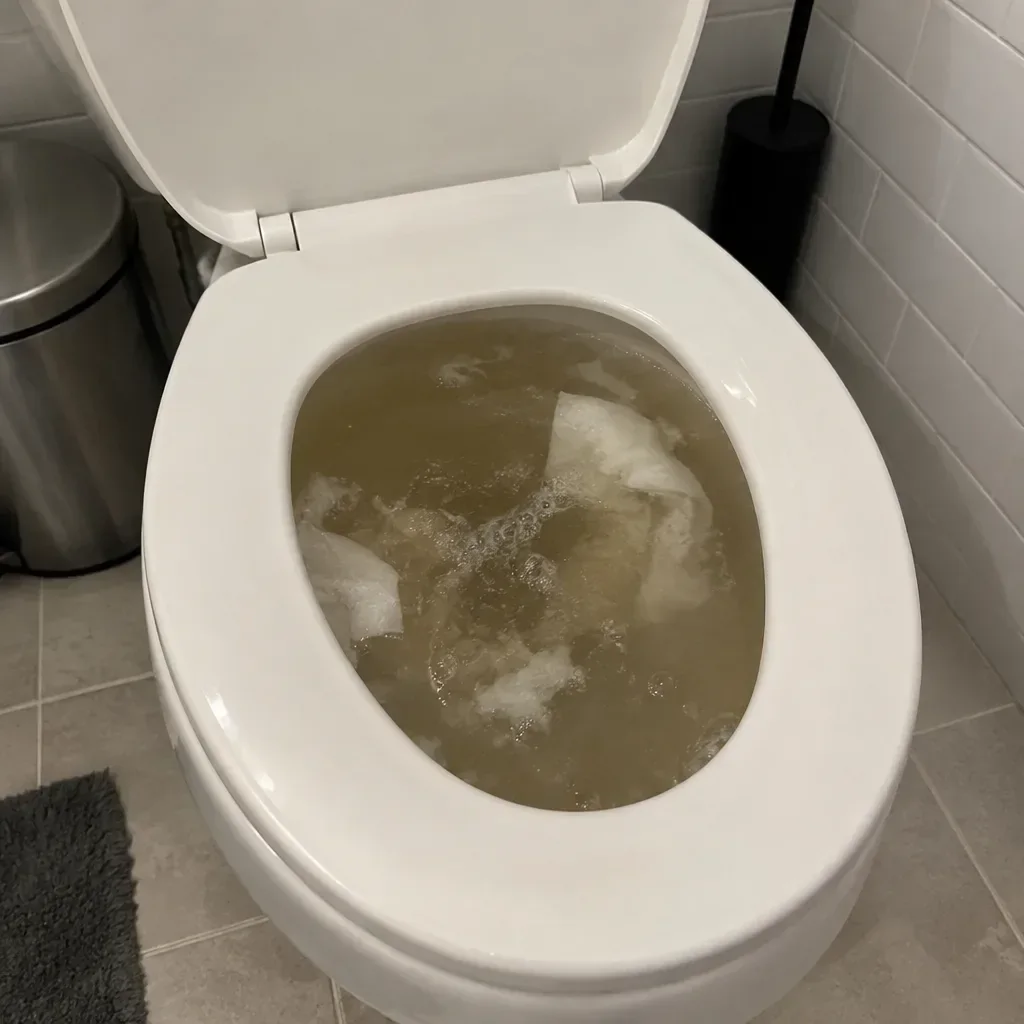
| Sewage Visible Indoors At a Longmont home near Ames Park, this sign may look like a puddle or thin spread of cloudy gray, brown, or dark water on an indoor floor. Bits of paper or other debris may sit in it; edges can leave streaks, and the surface may look slick. Its color and texture can vary. | Sewage visible indoors means wastewater has crossed into the home. Treat the affected space as contaminated. In Longmont, note where it appeared and report the backup for investigation; a service-line blockage and a main-line problem are different possibilities. Founders Park, Liberty Ranch, and Mead Ponds are local landmarks, but none identifies the cause. | Sewage left on flooring can spread through contact and keep soaking into absorbent materials over hours and days. In Longmont, damp flooring or trim may then need more extensive assessment and drying, so arrange cleanup promptly and keep people and pets clear. | Ask on the call |
| Wastewater Backing Up From Drains In a Longmont home near Founders Park, it may look like a pool or repeated surges of murky gray, tan, or brown water at a floor drain, tub, or toilet. Paper flecks or other debris may float on top; the surface can leave a slick film along porcelain or flooring. | Wastewater rising through an indoor drain signals contaminated water has reached the home; its appearance alone cannot identify the blockage or responsible line. In Longmont, report the backup for city investigation, which can distinguish service-line from main-line problems. Stop using affected fixtures and keep clear while arranging cleanup assessment; a plumber diagnoses or repairs the source. | If it remains, the wet edge can spread from the drain across flooring and into nearby absorbent materials over the hours that follow. In a Longmont home near Mead Ponds, that can leave more surfaces needing assessment and drying. | Ask on the call |
| Multiple Fixtures Backing Up In Longmont, this sign may appear as water rising or lingering in more than one fixture: for example, a toilet bowl alongside a tub or sink. The liquid may be clear, cloudy, gray, or brown, and can hold bits of paper or other debris. Around Rock Creek, the visible level and texture can differ from one fixture to another. | When a toilet and another drain back up at the same time, the problem may involve a plumbing route they share. In Longmont, that pattern calls for checking the affected fixtures and reporting the backup so the city can investigate whether the trouble lies in a service line or main line. A home near Coal Creek still needs an address-specific assessment; the pattern alone does not identify the source. | When several fixtures back up together, the problem may involve a shared section of the system, though only an investigation can locate it. In Longmont, continued discharge can contaminate more indoor surfaces, expanding cleanup needs as time passes. | Multi-Room Sewage Backup Cleanup |
| Discolored Wastewater Indoors It may form a shallow, uneven pool or a narrow trail across the floor, with opaque tan, brown, gray, or cloudy water. Fine flecks can drift in it, and the drying edge may look darker than the center. The surface may appear smooth in one spot and swirled or lightly foamy in another. | In Longmont, brown or cloudy wastewater warns that the discharge may have contaminated nearby indoor surfaces; its color alone cannot locate a blockage or establish who is responsible for the line. Describe any changes in the water’s appearance without trying to trace them to a particular line. Avoid contact and arrange an assessment; the city investigates reported backups to help locate the problem. | Contamination can remain after visible water is gone, while moisture lingers in absorbent flooring or wall materials until they are cleaned and dried. Tell the licensed pros we connect you with which materials remain damp after visible water is gone. | Ask on the call |
| Sewage Solids or Sludge on Surfaces The material may sit in broad smears or gather in lumpy deposits, with gritty flecks mixed through it. It can be brown or gray; wet patches look glossy and tacky, while drying edges turn dull, rough, or crusted. In a Longmont home, it may mark flooring, the bottom of a wall, or a stair tread. | Sewage solids or sludge are visible waste deposits on indoor surfaces, so treat the marked area as contaminated even if it has begun to dry. A homeowner near Founders Park or County Road 34 should keep people and pets clear; the pros we connect you with can assess and clean the affected area. Longmont can investigate a reported backup to locate the line problem. | Foot traffic can carry residue onto nearby clean surfaces during ordinary use, expanding the area that needs attention over the same day. Whether a home is near Vrain Creek or elsewhere in Longmont, keep people and pets clear until the deposit has been assessed and cleaned. | Ask on the call |
| Sewage Returning After an Initial Backup After the water recedes, a dark residue may remain around the drain opening. Debris may be visible, and the surface can look wet and slick. The water may carry a sharp sewage odor. | On a Longmont property, sewage returning after an apparent clear-out means the affected area needs a fresh assessment. The first cleanup may have missed contaminated material, or the source may still be active. Keep people and pets out, arrange a cleanup reassessment, and have a plumber investigate the line; Longmont’s sewer guidance distinguishes service-line from main-line problems. | Fresh sewage can contaminate surfaces again and expose people or pets to harmful germs. If it remains through the day, more flooring or nearby materials may be affected. Near Sandstone Ranch or Left Hand Creek, the same indoor cleanup assessment is needed. | Ask on the call |
Signs worth arranging an assessment for
A stopped backup may not need emergency service, but contamination still calls for attention.
| Observed condition | Possible meaning | When to Begin Cleanup | View details |
|---|---|---|---|
| Sewage Odor Indoors The odor may seem fecal, sulfurous, or sharply sour. It can be faint in one room and more noticeable near a drain or toilet, or spread through the indoor air. Unlike a visible stain, it has no fixed shape or color; its intensity may change from room to room. | A sewage smell that stays indoors or returns after airing is a reason to check for contamination, though odor alone cannot confirm a backup. In Longmont, note where it is strongest and when it occurs, then report the concern for investigation. The city distinguishes service-line problems from main-line blockages; cleanup addresses indoor contamination, while a plumber diagnoses or repairs the line. | In Longmont, a sewage smell that lasts after visible water is gone can point to residue in absorbent materials; left damp, they can keep odor in a room. Sewage can also reach floor seams and wall gaps, beyond the area where the spill is visible. | Ask on the call |
| Stains After a Sewage Backup In Longmont, including areas around Ames Park and Mead Ponds, a mark may look like a thin tide line, scattered dots, or a broad uneven patch. Colors can range from pale tan or gray to brown-black, with sharp or feathery edges. Low drywall, baseboards, grout, or trim may feel smooth, tacky, or slightly raised. | Start with the stain’s location and outline: it can show where sewage contacted a surface, but not how far contamination extends behind it. In Longmont, note nearby materials and have the area assessed. Absorbent items may need removal; other affected surfaces need cleaning and disinfection. What might be concealed beyond the visible edge? | A stain can show where sewage touched a surface, while contamination may extend beyond its visible edge. In Longmont, including areas near Northern Water and Berthoud, residue left unassessed over the next few days may remain in porous materials; assessment identifies what needs cleaning, disinfection, or removal. | Ask on the call |
| Wet Materials After a Sewage Backup In Longmont, look for a darker patch along the lower wall, a paint bubble, or a rippled edge where wall meets floor. Trim may look raised or feel soft; carpet fibers can lie flat and feel damp. The edges of a wet area may be uneven, with a dull sheen compared with nearby surfaces around St. Vrain Greenway. | In Longmont, wet building materials after a sewage backup mark places that need assessment, even when no pooled water remains. Near Dickens Farm Nature Area, the key is to identify which surfaces may need removal, cleaning, or drying. The assessment should also note whether sewage reached insulation, baseboards, or stored items. | In Longmont, porous materials can retain sewage residue as long as they stay damp. Over the next hours and days, moisture may remain beyond the visible spill, leaving more of the structure to assess and dry. Near Sandstone Ranch, keep people and pets out until cleanup and assessment are complete. | Ask on the call |
| Sewage Odor After Water Recedes In Longmont, this sign is sensed rather than seen: a heavy, stale sewer smell that may be faint across a room and more noticeable near a drain, toilet, or low wall. It can come and go as someone moves between rooms. There may be no obvious mark, discoloration, or damp patch to touch. | In Longmont, an odor that remains once standing water is gone is a reason to check for sewage contamination beyond what is visible. Absorbent building materials can retain contamination. A damaged sewer line can allow wastewater to back up through drains. | Across Longmont, including areas near Dickens Farm Nature Area, St. Vrain Greenway, and Sandstone Ranch, lingering sewage odor after water recedes can point to damp building materials still needing drying; assessment helps locate moisture before it prolongs odor. | Ask on the call |
Questions and Answers
What does sewage visible indoors mean?
Sewage visible indoors means wastewater has crossed into the home. Treat the affected space as contaminated. In Longmont, note where it appeared and report the backup for investigation; a service-line blockage and a main-line problem are different possibilities. Founders Park, Liberty Ranch, and Mead Ponds are local landmarks, but none identifies the cause.
What does wastewater backing up from drains mean?
Wastewater rising through an indoor drain signals contaminated water has reached the home; its appearance alone cannot identify the blockage or responsible line. In Longmont, report the backup for city investigation, which can distinguish service-line from main-line problems. Stop using affected fixtures and keep clear while arranging cleanup assessment; a plumber diagnoses or repairs the source.
What does multiple fixtures backing up mean?
When a toilet and another drain back up at the same time, the problem may involve a plumbing route they share. In Longmont, that pattern calls for checking the affected fixtures and reporting the backup so the city can investigate whether the trouble lies in a service line or main line. A home near Coal Creek still needs an address-specific assessment; the pattern alone does not identify the source.
What does sewage odor indoors mean?
A sewage smell that stays indoors or returns after airing is a reason to check for contamination, though odor alone cannot confirm a backup. In Longmont, note where it is strongest and when it occurs, then report the concern for investigation. The city distinguishes service-line problems from main-line blockages; cleanup addresses indoor contamination, while a plumber diagnoses or repairs the line.
What does discolored wastewater indoors mean?
In Longmont, brown or cloudy wastewater warns that the discharge may have contaminated nearby indoor surfaces; its color alone cannot locate a blockage or establish who is responsible for the line. Describe any changes in the water’s appearance without trying to trace them to a particular line. Avoid contact and arrange an assessment; the city investigates reported backups to help locate the problem.
What does sewage solids or sludge on surfaces mean?
Sewage solids or sludge are visible waste deposits on indoor surfaces, so treat the marked area as contaminated even if it has begun to dry. A homeowner near Founders Park or County Road 34 should keep people and pets clear; the pros we connect you with can assess and clean the affected area. Longmont can investigate a reported backup to locate the line problem.
What does stains after a sewage Backup mean?
Start with the stain’s location and outline: it can show where sewage contacted a surface, but not how far contamination extends behind it. In Longmont, note nearby materials and have the area assessed. Absorbent items may need removal; other affected surfaces need cleaning and disinfection. What might be concealed beyond the visible edge?
What does wet materials after a sewage Backup mean?
In Longmont, wet building materials after a sewage backup mark places that need assessment, even when no pooled water remains. Near Dickens Farm Nature Area, the key is to identify which surfaces may need removal, cleaning, or drying. The assessment should also note whether sewage reached insulation, baseboards, or stored items.
What does sewage odor after Water recedes mean?
In Longmont, an odor that remains once standing water is gone is a reason to check for sewage contamination beyond what is visible. Absorbent building materials can retain contamination. A damaged sewer line can allow wastewater to back up through drains.
What does sewage returning after an initial Backup mean?
On a Longmont property, sewage returning after an apparent clear-out means the affected area needs a fresh assessment. The first cleanup may have missed contaminated material, or the source may still be active. Keep people and pets out, arrange a cleanup reassessment, and have a plumber investigate the line; Longmont’s sewer guidance distinguishes service-line from main-line problems.
Clues That Materials Were Exposed
In Longmont, note the symptom first: sewage at a floor drain, residue on a surface, or an odor in a room. Then record where it appeared and which materials were nearby; that gives the assessment a starting map without assigning a cause. For a home near Little Thompson River, ask the pros we connect you with what their written proposal includes, how any visit fee is handled, and whether tasks are priced separately. A plumber or city investigation may be needed to locate the backup source.
Call (303) 879-2581