What Sets the Overall Schedule
There is no single sewage cleanup time that fits every Longmont home. Access to the affected rooms can shape how quickly the provider completes the initial inspection. A quick extraction does not mean the full job is finished. Ask the provider for an estimate by stage and what they still need to inspect before narrowing the expected timeline.
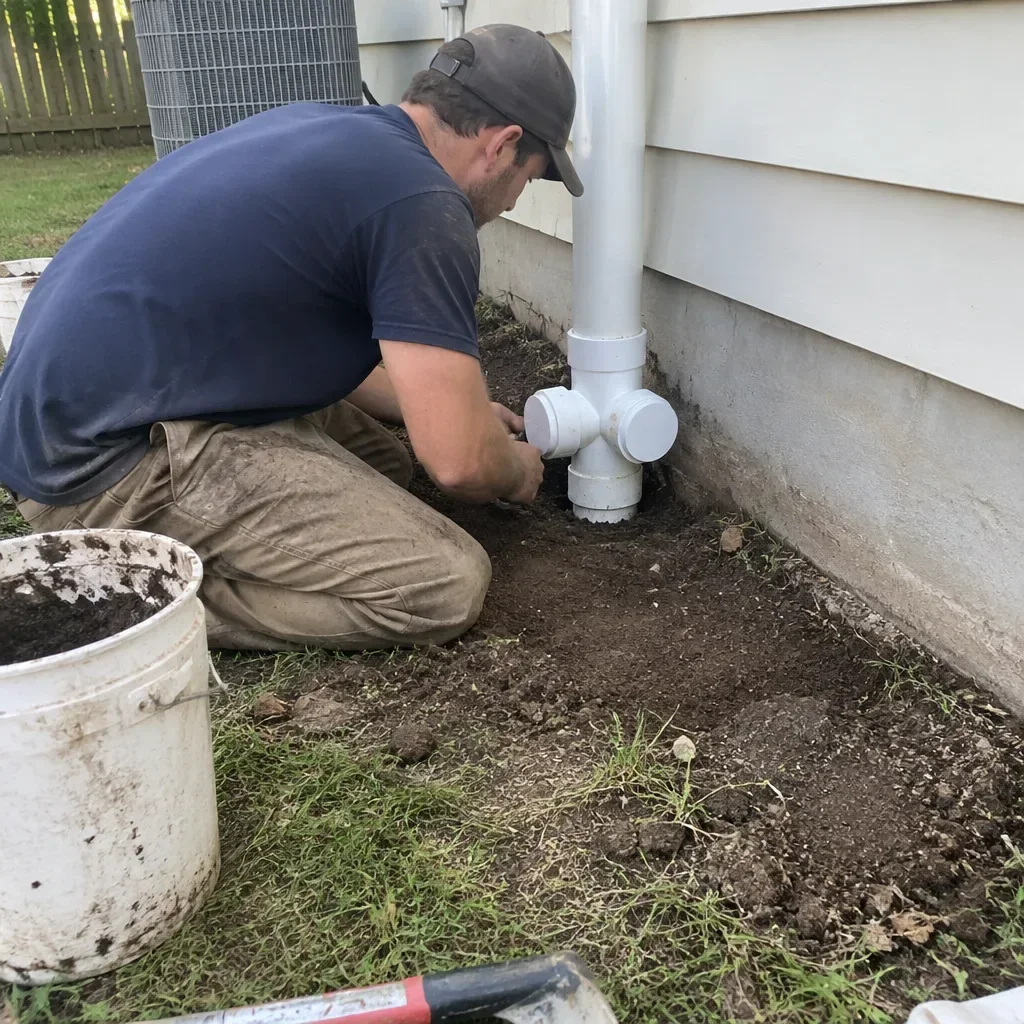
Note which drains or fixtures backed up and where sewage first appeared to help describe the incident. A homeowner might mention rain near the Little Thompson River or Berthoud Town Park as context; the provider still needs to assess conditions inside the Longmont property. If sewage reached more rooms or materials than first apparent, the cleanup plan and its duration may change.
Assessment and Sewage Extraction
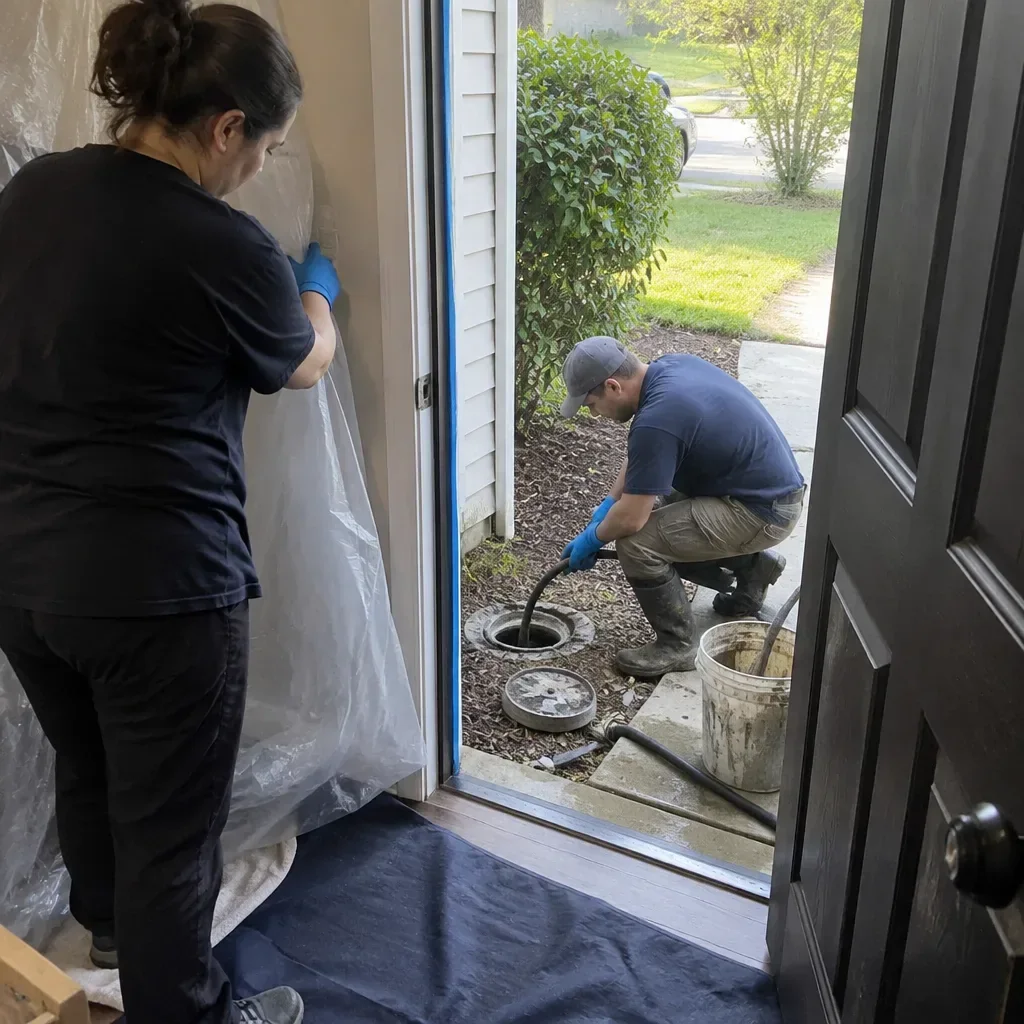
The first part of the timeline is finding the extent of the affected area and extracting sewage. A provider may need to check behind or beneath visible surfaces, since water can travel into building layers. Pooling in low areas can leave more sewage to extract before surfaces are ready for cleaning. Ask what the assessment has found and whether hidden or difficult-to-reach areas could add work.
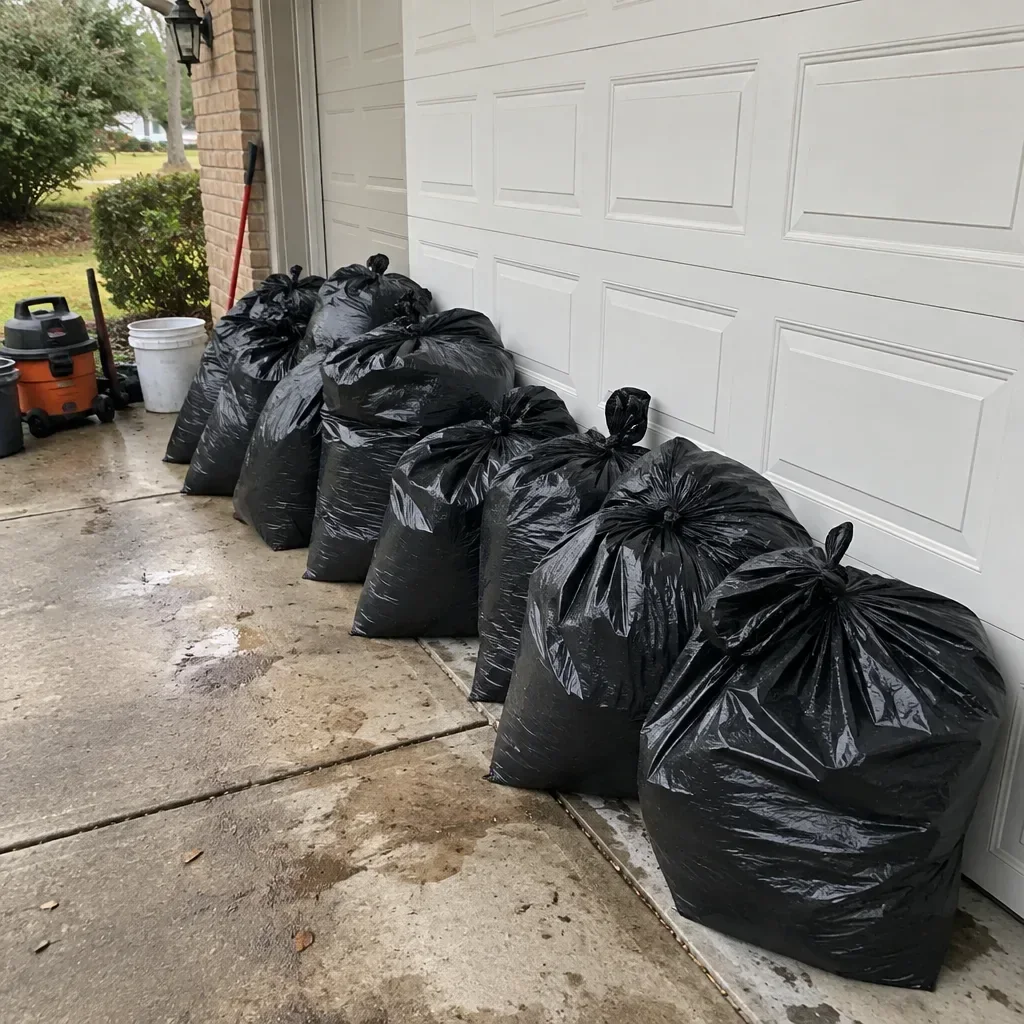
The amount of material to remove affects what follows. Removing damaged finishes can expose surfaces that need separate cleaning. Sorting those materials takes the work from extraction toward cleaning and disinfection. In Longmont, ask the provider to explain which materials they expect to remove and which they plan to clean, so the schedule reflects the actual scope.
Cleaning, Disinfection, and Odor
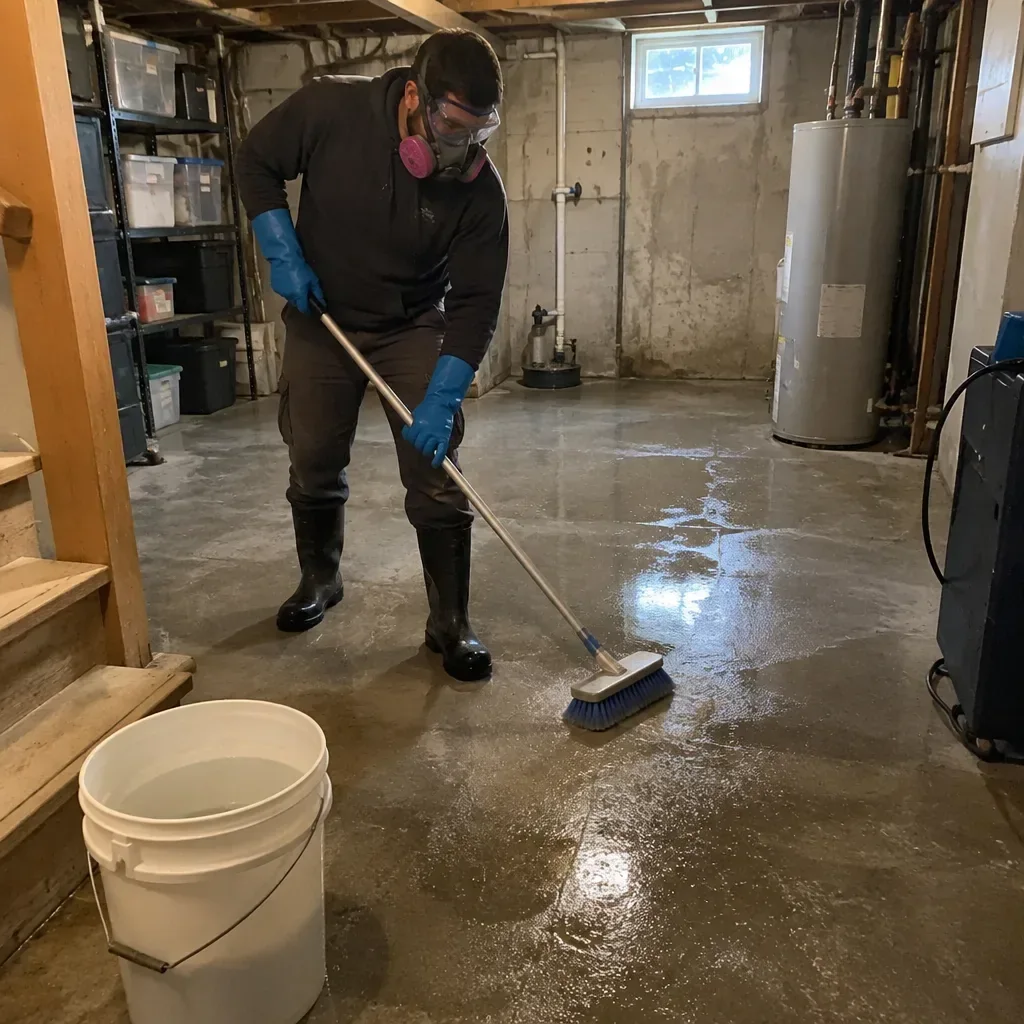
Cleaning and disinfection come after sewage and unsalvageable materials are cleared. The time needed depends on the number and type of affected surfaces, how far contamination reached, and the treatment each surface requires. Visible soil may need to be removed before a surface can be disinfected effectively. A provider can explain which surfaces remain in this stage and what work must happen before drying starts.
Odor treatment may add a step when smells remain after extraction and surface treatment. Its place in the schedule depends on what still needs attention; it is not a substitute for removing contaminated material or cleaning affected surfaces. Lingering odor can point to areas that may need another look before the work moves on. That answer helps distinguish a complete scope from a simple removal estimate.
Drying and Factors That Extend Work
Structural drying often continues beyond the visible cleanup because moisture can remain in floors, walls, or other building materials. The provider may monitor those materials and adjust drying as conditions change, so this stage can outlast extraction and disinfection. For a Longmont home, ask what areas need drying, how progress will be checked, and what findings could extend the schedule. Rain nearby, including reports around Northern Water, cannot by itself predict the drying time inside a specific property.
Professional sewage cleanup time has no dependable single figure: in Longmont, the cleanup timeline depends on what the assessment finds and how much drying the structure needs. The pros we connect you with assess affected materials, extract sewage, then clean and disinfect surfaces; porous items may need removal before structural drying can begin. If heavy rain coincides with a backup, extra moisture may leave more areas to dry, extending work, though rain alone does not identify the cause. A blocked line or damaged pipe can affect which materials need attention and how cleanup proceeds.
Dealing with a sewer backup in your home?
After a backup, what should an owner check first? Keep people and pets away; from a safe spot, note which rooms and materials appear affected. A home near Community Center, Erie Wetlands, or Legacy Trail still needs an address-specific sewer-service check; a place name does not confirm a connection. Longmont guidance distinguishes service-line blockages from main-line problems, and a plumber diagnoses and repairs the source. Call (303) 879-2581 to ask the pros we connect you with whether they serve the address, when they may visit, any visit charge, and what cleanup includes. Assess the area safely, then ask a qualified provider to define the cleanup scope.