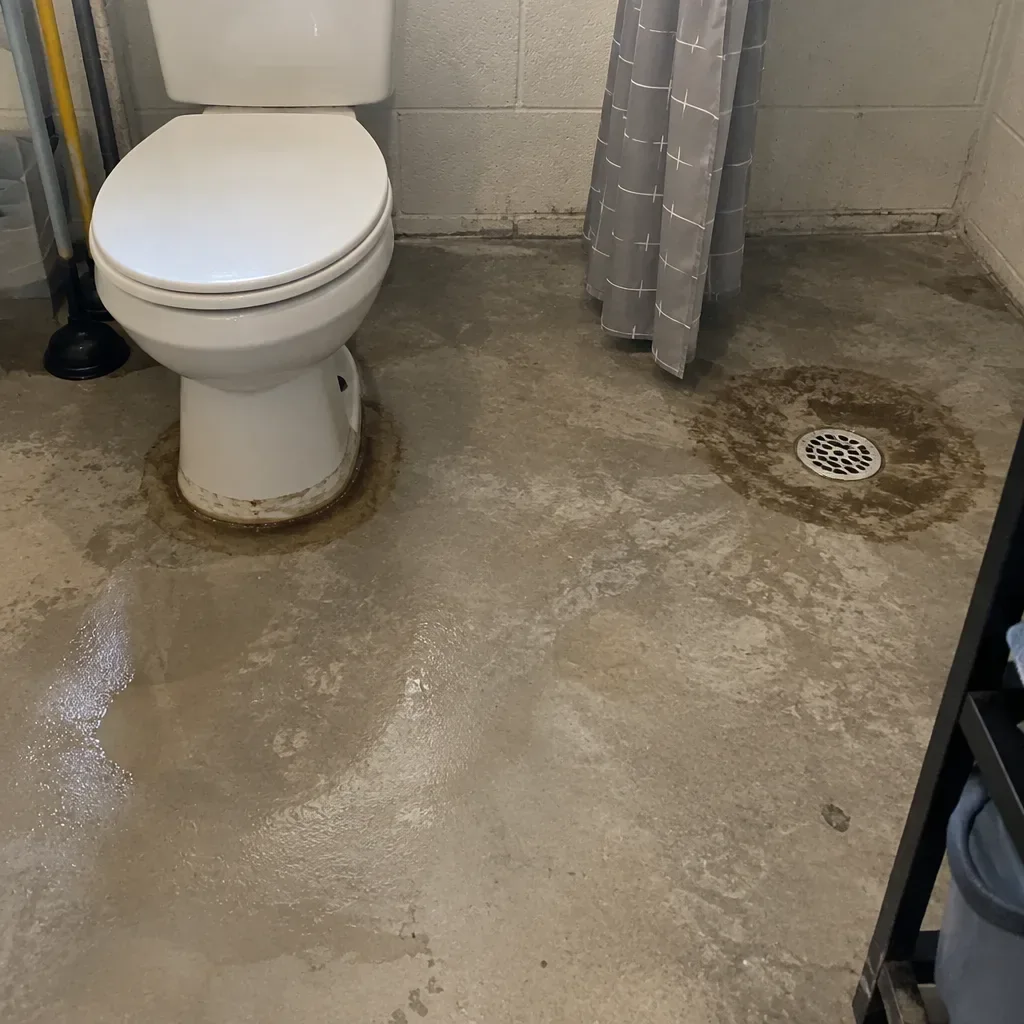
Steps That Shape the Cleanup
Longmont records flood damage to infrastructure and the Vrain Greenway from the 2013 flood. That history gives local context, but it does not show what caused a backup at a particular home; the source still needs investigation.
Rain and snow are part of the Northern Front Range’s weather, but neither proves why sewage appeared indoors. A home near Left Hand Creek still needs an address-specific check of its wastewater connection and the line involved.
In Longmont, inquiries about sewage cleanup can start with a residence anywhere in Boulder. The pros we connect you with can check the property address against their service area; a city or county label alone does not establish availability.
Addressing Lingering Sewage Smells
- ACCESS
- Longmont documents investigation of reported sewer backups; ask whether the City’s process covers the property address.
- POWER
- Water near outlets or appliances makes the area unsafe to enter; do not cross it to reach a switch.
- RECORD
- The assessment sorts exposed materials into those needing removal, surface cleaning, or drying.
- CLEANUP
- A plumber investigates the blockage or line source; cleanup handles sewage and affected building materials.
- PLUMBING
- When several drains slow or back up together, that pattern can suggest a restriction farther along the shared drain path rather than at one fixture.
- SAFE ACCESS
- Longmont has rain and snow across the year, and weather can coincide with drainage problems without identifying a backup’s cause. Whether the ground is wet or snow is melting, an address-level plumbing investigation is needed to find the source.
- SALVAGE DECISIONS
- an estimated $2,700–$6,800
Stormwater and Sewage Follow Different Paths
Sewer-line repair is often grouped with cleanup because both may follow the same backup. The plumber works on the cause in the line; cleanup addresses contaminated rooms, materials, and moisture inside the structure. Sewer-line repair is plumbing work. The plumber investigates the line or blockage and handles repairs; cleanup focuses on sewage and affected materials inside the building. Ask each provider to state which part of the problem their work covers.
Mapping the Work Area Before Cleanup
The cleanup assessment maps where sewage traveled, including edges beyond the visible pool. Pros isolate the affected rooms, then remove standing wastewater with extraction equipment. They sort porous items and building materials by exposure, since some absorbent materials may not be suitable for cleaning in place.
After removal decisions, pros clean and disinfect the remaining affected surfaces using products according to their labels. They then dry the structure and check the affected materials for remaining moisture. The plumber separately investigates the blockage or line issue; cleanup does not repair that source.
One visit can cover extraction, cleaning, and disinfection when the affected space is accessible and drying is complete. If moisture remains within building materials, more drying and reassessment may be needed before cleanup is finished. Lingering odor can also call for treatment after contaminated material and residue are dealt with.
CLEANING AFFECTED ROOMS NOW, THEN ASSESSING MATERIALS FOR REPLACEMENT
| Area Affected |
Keep People Clear |
|---|
| Overflow stayed within one small area | Plumber source referral |
| Wastewater traces surfacing again in cleared areas | Affected-material assessment |
| Absorbent finishes can hold contamination below sight | Sewage residues extracted; treat surfaces, dry building |
RESTORATION WORKThe supplied facts verify no specific Colorado cleanup license or local permit rule for this work. Ask for an invoice that identifies the address, affected rooms, materials removed, and work completed. Longmont’s sewer investigation concerns locating the reported problem; it does not establish line ownership for every property.
Beyond the First Wet Surface
When sewage remains in porous flooring, trim, or wall materials, contamination and moisture can extend beyond the initial spill. That can mean more material must be removed before surfaces can be cleaned and the structure dried. Odors may remain in materials that cannot be fully cleaned, even after visible sewage has been removed.
Keep Cleanup Notes Together
An owner can stop using affected fixtures, close off the room, and make a list of what was touched. Take photos only from a dry, safe position. Do not handle sewage, lift wet flooring, or use household disinfectant on contaminated areas; leave material decisions and cleanup to the pros we connect you with.
Keep Family Traffic Out Of The Work Zone
Sewage in a home is a hazard, and electrical contact adds an immediate danger. Keep household members and animals out of affected rooms; do not touch wet outlets, appliances, or contaminated materials. If water is near electrical equipment, stay clear and seek qualified help. In Longmont, restrict access while the cleanup provider assesses the area and the plumber investigates the source.
Which Cleanup Steps Shape the Final Estimate?
Ask for an estimate based on the rooms reached, materials that must be removed, and drying needed after affected surfaces are cleaned.The guide range reflects cleanup work in affected rooms, including material removal, surface treatment and drying where the assessment calls for them; it excludes plumbing diagnosis or repair. For a Longmont property, give the address and a useful location reference, such as Coal Creek or Northern Water. The pros we connect you with confirm any visit charge and written scope directly.The pricing guide lays out possible cleanup costs and explains which job details can shift them.