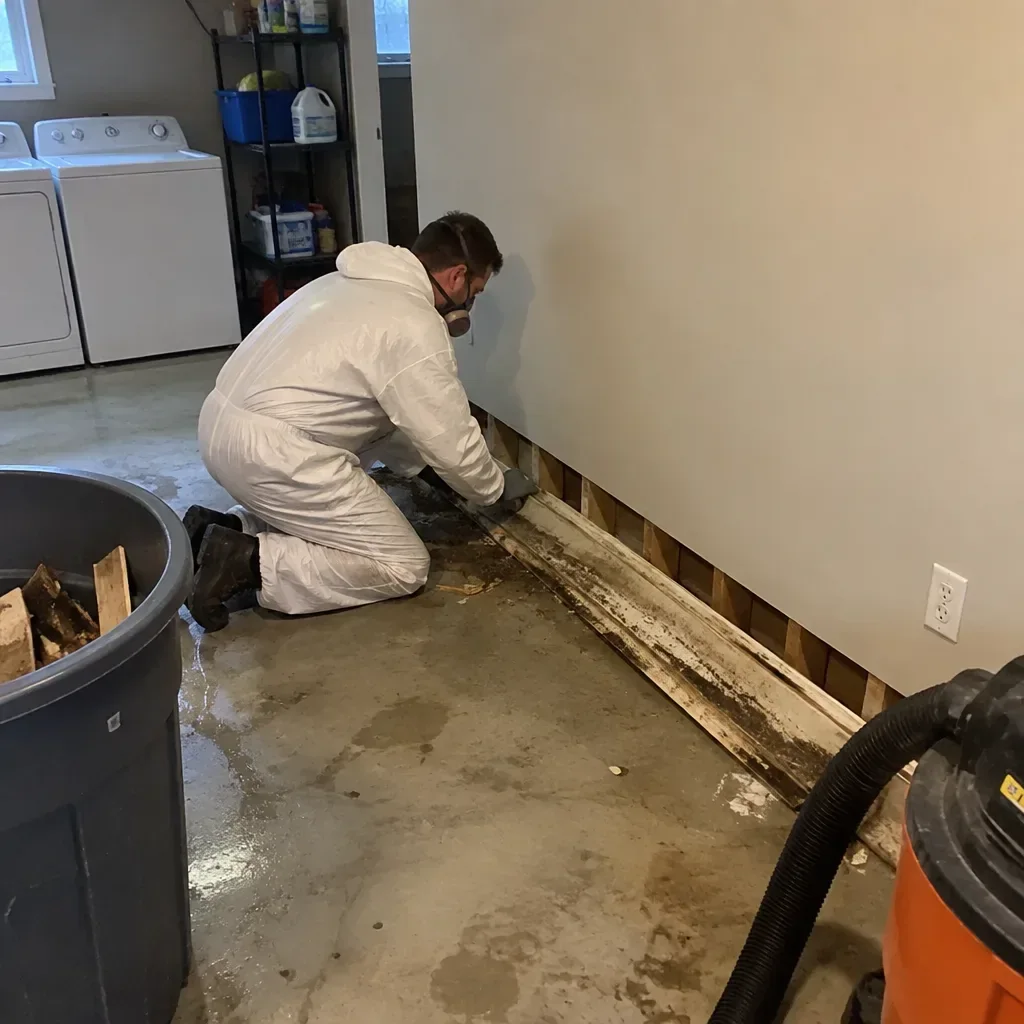
Review Sewage-Exposed Belongings in Longmont
In Longmont, start with each item’s exposure and visible condition; those observations guide the inventory and later handling decisions.
Record each belonging’s location, material, visible condition, and observed or suspected sewage exposure in an itemized inventory. Link photos and packout labels to entries, track storage and handling decisions, and document any cleaning review or disposal outcome.
Observe Contact and Visible Changes
Start with the room, then the belongings within it, then the condition visible on each one. That order gives a Longmont homeowner a record of what was where before anything is moved. Note the extent of visible sewage, residue, staining, or dampness, and identify nearby objects that may have been exposed even when no mark is apparent. A location note might distinguish a ground-floor room from a lower storage area. The observations describe what can be seen; they do not establish the contamination inside an object.
Material and construction help explain why two objects in the same room may call for different decisions. A sealed hard surface can be examined differently from fabric, unfinished wood, or a stuffed item, where sewage may reach internal layers. Record what the object is made of and whether it has seams, padding, or other absorbent parts. In Longmont, visible appearance alone cannot settle whether an item can be retained. The assessment should keep observed facts separate from a later salvage or disposal decision.
Longmont’s record of 2013 flood damage along the St. Vrain Greenway is local context, not evidence about a particular home’s sewer connection or the source of a backup. For belongings, keep the note narrower: which room, what visible contact, and what condition can be observed. If sewage exposure is uncertain, mark it as uncertain instead of treating a clean-looking surface as proof. That distinction lets a reviewer understand what was seen and what still needs evaluation.
Record Each Item’s Condition
Once rooms and objects have been observed, an itemized inventory makes those findings traceable. Give each entry a distinct description and location, then note material, visible condition, and whether sewage contact is observed or suspected. Longmont homeowners may have similar household items in several rooms, so a generic entry such as “boxes” can leave too much unclear. Separate entries or clearly defined groups make later handling decisions easier to connect to the correct belongings.
Condition notes should describe evidence without turning it into a conclusion. Record visible residue, staining, swelling, torn surfaces, or dampness, and note when a feature cannot be checked. A photograph can show the item and its surroundings; an accompanying inventory entry explains what the image depicts. In Longmont, keeping observations and judgments distinct gives the owner a clearer record if the item is later reviewed for cleaning, retention, or disposal.
A sewage-damaged belonging that leaves the affected room needs an identity that stays with it. Packout notes can connect a container label to its inventory entries, source room, and handling status, while a contents description helps distinguish similar containers. Avoid labels that imply an item is clean or ready for use when its status is still undecided. This record follows the belongings through assessment and storage, so the owner can tell which items remain pending and which have a documented disposition.
Track Packout and Storage
Salvage decisions turn on where contamination reached and whether the affected parts can be addressed. Sewage contents cleaning may be considered for some belongings, but an absorbent interior can limit what surface treatment can accomplish. Note the material, visible exposure, and any inaccessible components before recording a proposed handling decision. In Longmont, the entry should state whether cleaning is being considered, not claim that appearance alone proves an item is safe to keep.
Storage records should show where an item is held and what decision is pending, rather than leave its status implicit. Link the location to the inventory entry and label, and update the record when an item is reviewed or its disposition changes. The owner can then distinguish belongings awaiting assessment from those set aside for a documented outcome. A clear status matters because mixed or unidentified storage can make follow-up difficult and blur which items were actually evaluated.
Note Cleaning Limits and Disposal
When an item is designated for disposal, preserve the reason with its inventory record. Identify the belonging or defined group, its observed condition, the exposure concern, and the handling decision; add a photograph when it helps show the condition. This gives the Longmont homeowner a readable account of what left the property and why. Keep the record factual: uncertainty about exposure or material should remain visible instead of being replaced with an unsupported conclusion.
A complete belongings file brings room observations, item entries, images, packout labels, storage notes, and final handling records together. The owner can use it to follow a specific object from its original location through assessment and any recorded cleaning or disposal outcome. Local references such as Little Thompson River or Berthoud Town Park do not identify a home’s sewer provider; Longmont guidance calls for investigation to locate a reported backup. Keep the belongings record focused on the property and items actually observed.
Belongings Record Checklist
- Give each item or defined group an inventory entry with its room, material, visible condition, and observed, suspected, or unclear exposure.
- Connect container labels and photographs to inventory entries, noting contents, source room, current status, and storage location.
- Record the reason for a disposal decision and preserve it with the item’s condition notes and related images.
- Note the item’s apparent sewage contact, material, visible changes, and original room before deciding whether it needs further review or should be set aside.
- For a sewage damage packout, mark each container with a contents description and handling status; record where it will be held while decisions are pending.
- When an item cannot be cleaned adequately, document the reason for disposal and retain any related removal or disposal paperwork with its inventory entry.
Questions and Answers
Which sewage-exposed belongings might still be cleanable?
Compare each item’s material and construction with the exposure that was observed or suspected. Note visible residue, staining, dampness, damage, and any parts that cannot be inspected. Absorbent layers may hold contamination beyond what the exterior shows, so a clean appearance does not settle whether an item can be retained. Record the observations separately from the handling decision.
What should I record before belongings leave the home?
For a Longmont home near Liberty Ranch, Mead Ponds, or Ames Park, begin the inventory in the first affected room and work outward. Give each belonging a unique entry before it is moved, then record the decision: hold for review, send for sewage contents cleaning, or document for disposal. When items leave the home, match each package label to its entry and note the storage location. Keep cleaning notes and disposal receipts with the same record.
How should packed belongings be labeled and stored?
Mark each container with a label that refers back to its inventory entry and identifies its source room and contents. Record whether the belongings are awaiting review, being considered for cleaning, or designated for disposal. Note the storage location as it changes. These links help the owner trace packed items without treating an undecided status as a final determination.
Prepare an Item List for Review
Ask the pros we connect you with to match each Longmont item to its inventory entry, handling choice, and cleaning or disposal record.
Call (303) 879-2581