First, Identify the Water Source
Start with the source and the kind of water, because that decides what restoration can safely involve. A supply leak may call mainly for water removal and drying; a sewer backup raises a contamination concern that changes who can enter and how the work is planned. For a Longmont home, a wet floor alone does not settle the question. If the source is unclear, tell the cleanup professional what happened and ask how they will assess possible sewage exposure.
Location does not identify the source: a home near St. Vrain Greenway or Sandstone Ranch still needs its own assessment. Until sewage risk is understood, a homeowner should avoid contact with affected water and belongings, and keep children and pets clear. The pros we connect you with can explain the precautions they plan to use and what findings would change the scope. That first distinction separates sewage vs water damage more than the amount of water on the floor does.
Deciding What Can Remain
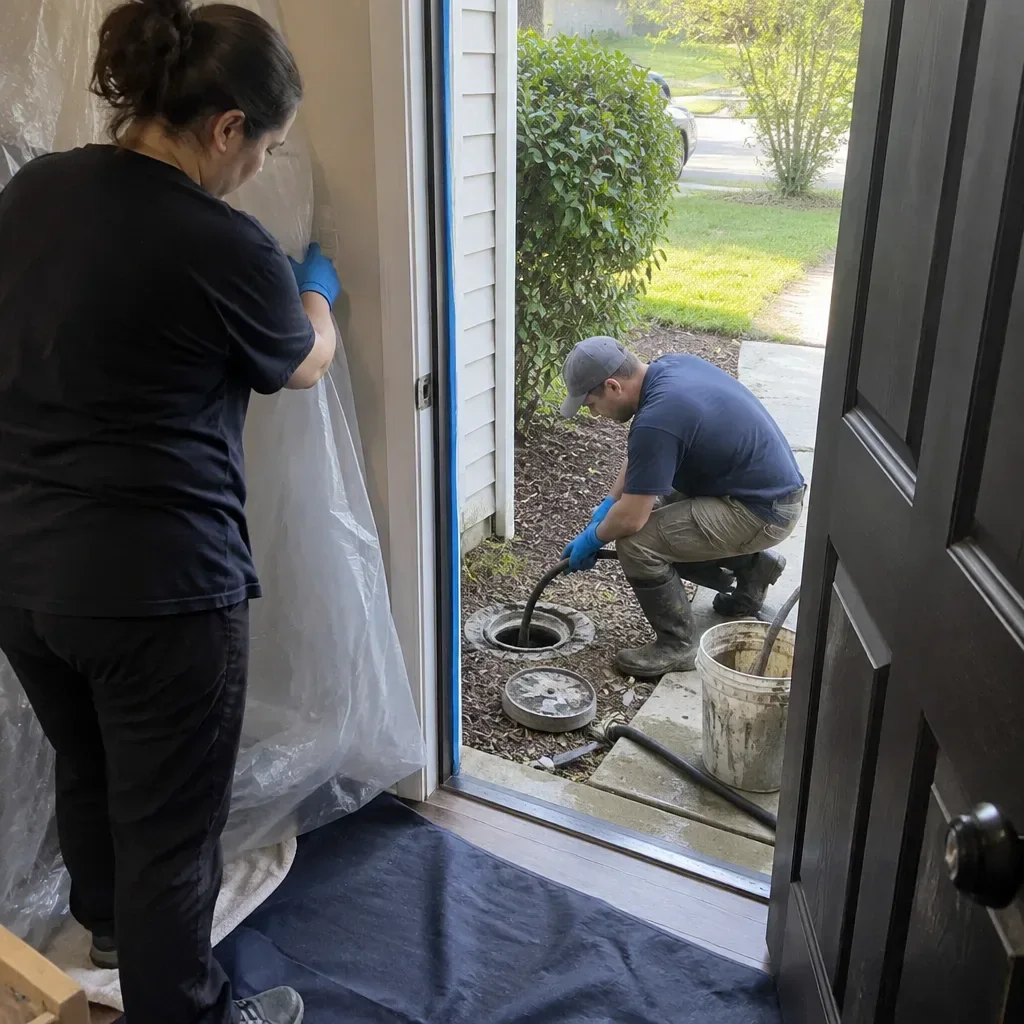
Next comes the decision about what can stay. Sewage may soak into carpet padding, drywall, insulation, or stored belongings; wiping the exposed face does not establish that absorbent material is clean. Depending on how far contamination reached, a professional may remove some items and separate the work area from unaffected rooms. In Longmont, ask which materials are marked for disposal and which can be treated, so the plan is clear before rebuilding begins.
Start with the water’s source, then decide how it can be handled. Ordinary water damage restoration often focuses on extracting water and drying wet building materials; sewage cleanup adds controls for contamination. In Longmont, a homeowner returning from Sandstone Ranch to a wet room should not judge water quality by appearance. Avoid contact and ask the pros we connect you with to assess whether sewage may be present. If it is, the plan needs to address exposed belongings and surfaces before drying proceeds, since moisture work alone does not resolve contamination.
Cleaning Surfaces and Treating Odor
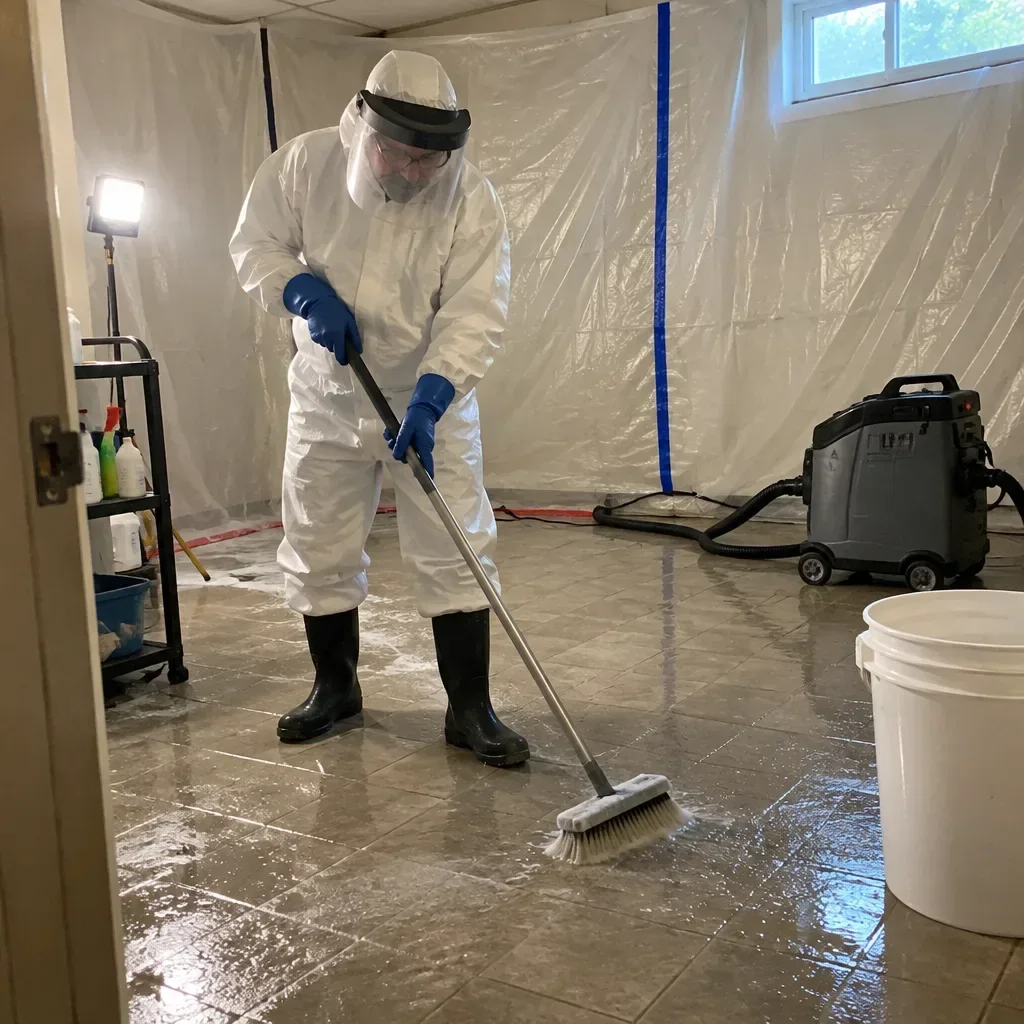
Once contaminated debris is addressed, the remaining surfaces need cleaning and disinfection as appropriate to the materials and the product directions. This is a different task from removing water: the aim is to treat contamination on surfaces that remain. Longmont homeowners can ask what areas are included and how the disinfectant’s label instructions, including contact time, will be followed. A visible stain fading by itself does not show that the cleaning step is complete.
Odor treatment may follow extraction, removal, and surface cleaning when a sewer smell remains. It belongs within the cleanup plan, but it does not replace treating affected surfaces or deciding what porous items cannot be kept. Listing affected surfaces and porous items helps keep odor treatment connected to the cleanup decisions already in the plan. That makes the plan easier to understand than relying on fragrance alone.
Drying, Records, and the Backup Source
Drying follows the contamination work, once materials that need removal are out and remaining surfaces have been addressed. The professional checks which parts of the structure still hold moisture and directs drying there; ordinary water restoration may put drying earlier in the discussion because it may not require the same contamination steps. This order matters: drying a space does not substitute for cleaning it. The sewage restoration process therefore includes both a contamination plan and a moisture plan.
After a walk on the St. Vrain Greenway, a Longmont owner may return to a room where sewage has reached flooring or stored belongings. Identifying suspected sewage helps determine the safeguards needed during handling. Ordinary water restoration can also involve removal and drying, but sewage changes which items can stay and what safeguards apply during handling. Ask the pros we connect you with to identify suspected sewage and explain how that changes the plan.
Dealing with a sewer backup in your home?
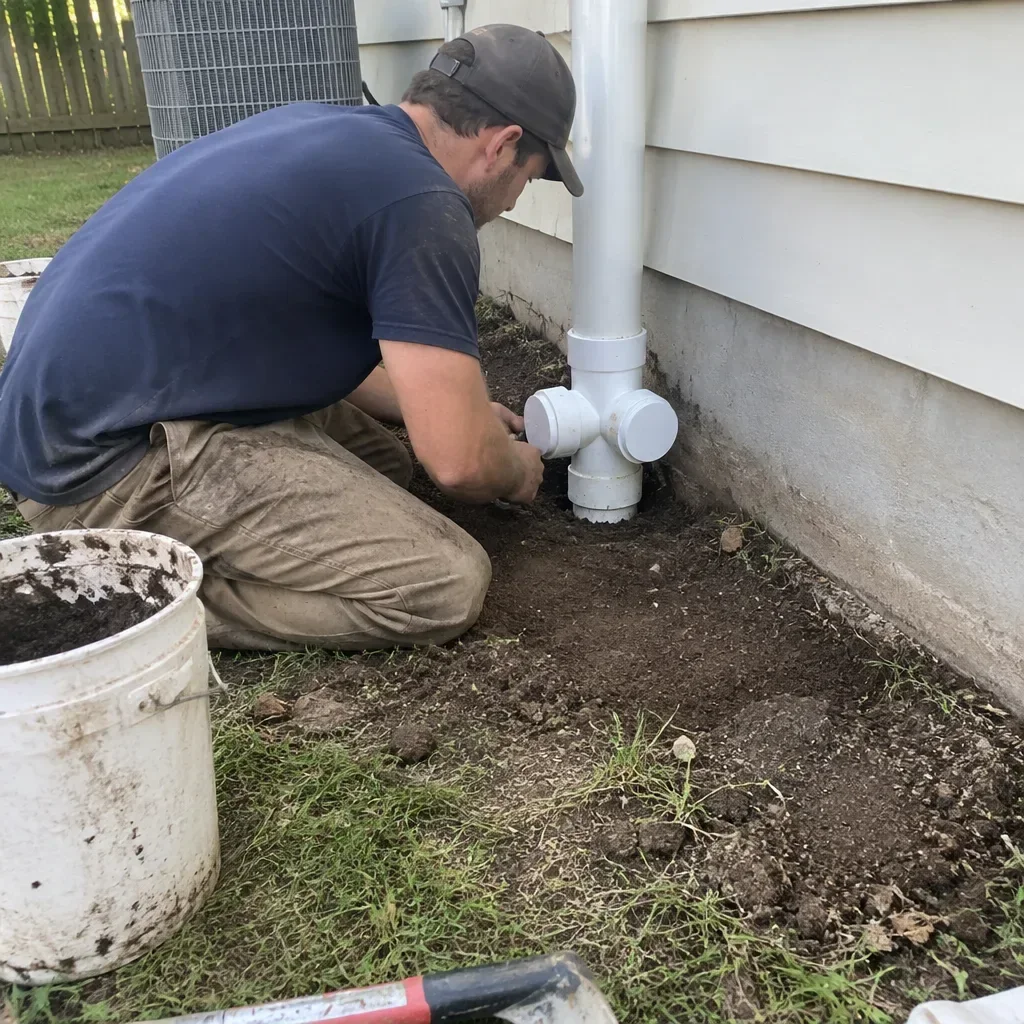
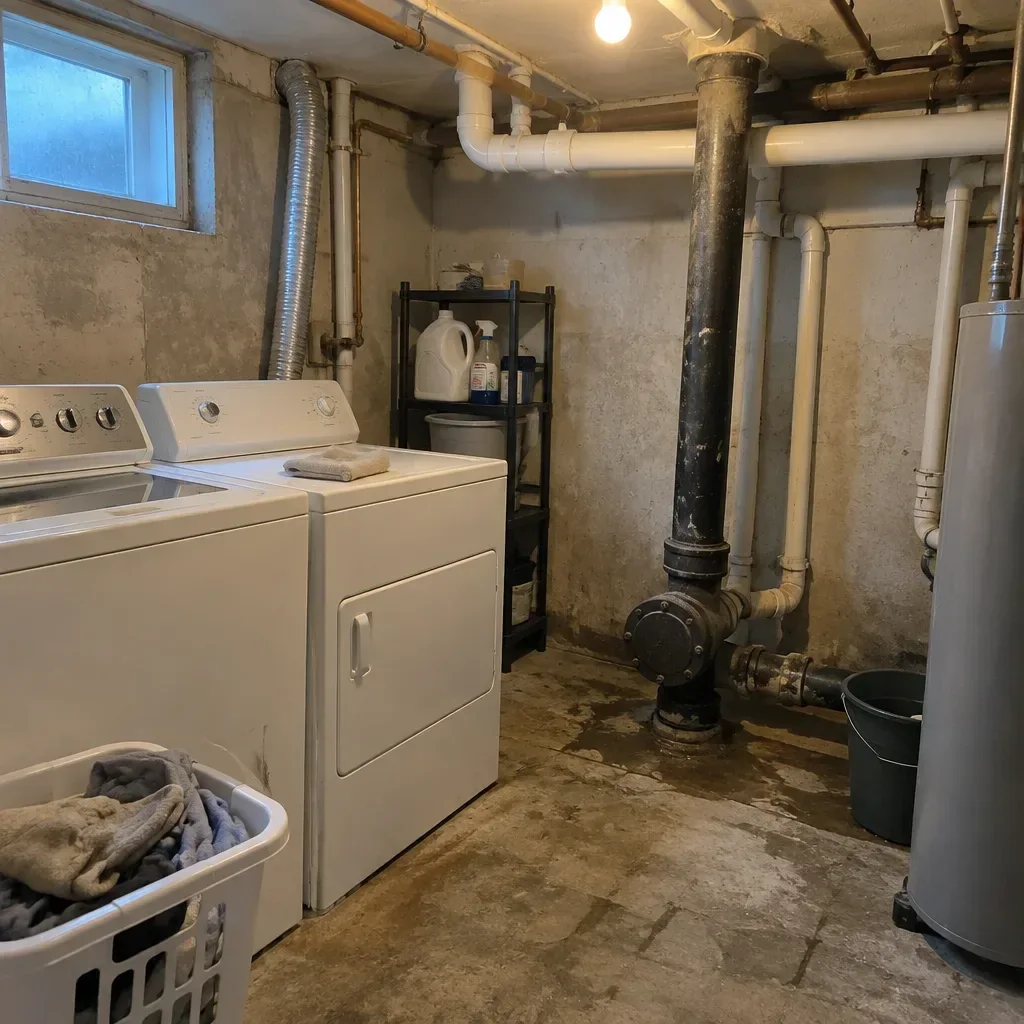
After a backup, what should an owner check first? Keep people and pets away; from a safe spot, note which rooms and materials appear affected. A home near Community Center, Erie Wetlands, or Legacy Trail still needs an address-specific sewer-service check; a place name does not confirm a connection. Longmont guidance distinguishes service-line blockages from main-line problems, and a plumber diagnoses and repairs the source. Call (303) 879-2581 to ask the pros we connect you with whether they serve the address, when they may visit, any visit charge, and what cleanup includes. Assess the area safely, then ask a qualified provider to define the cleanup scope.