DIY or Professional Cleanup
See when a Longmont homeowner can manage a limited sewage mess and when uncertain exposure, hidden spread, or affected building materials call for professional cleanup.
Read article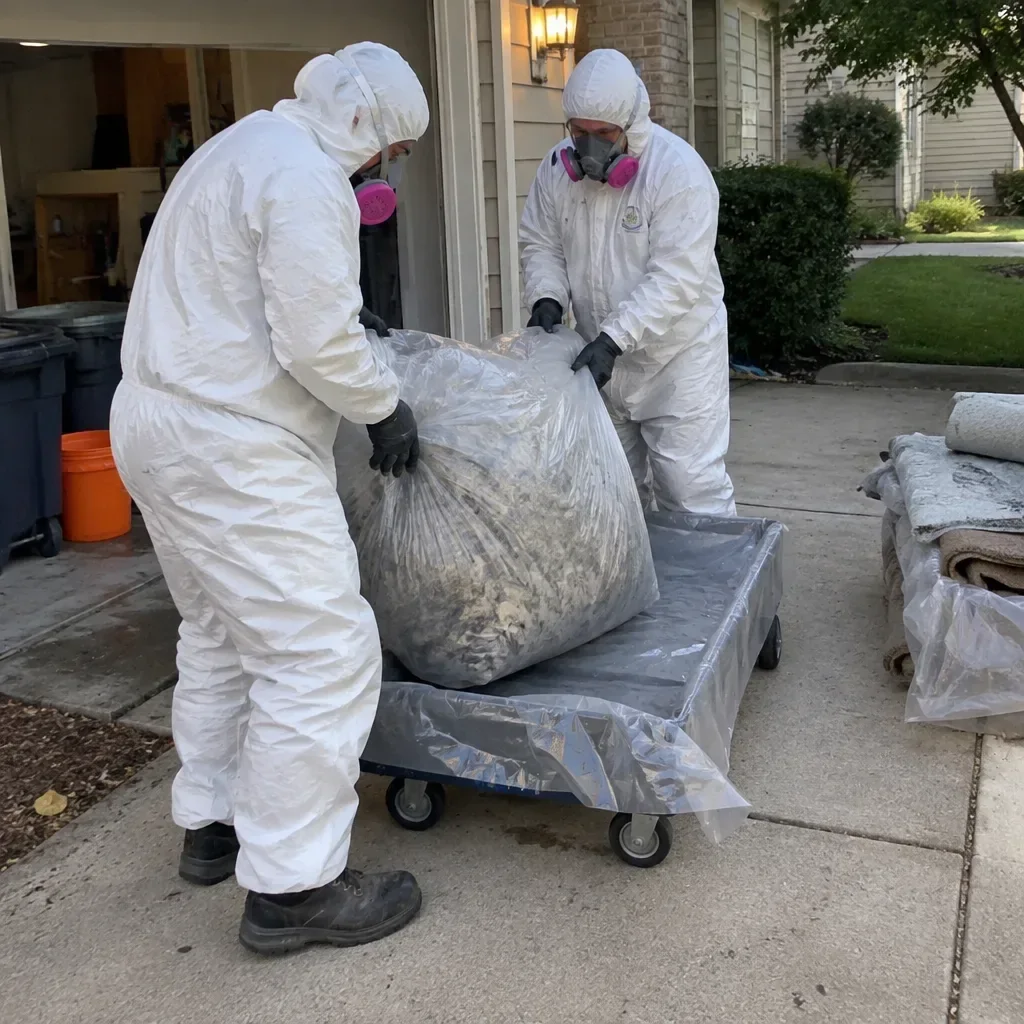
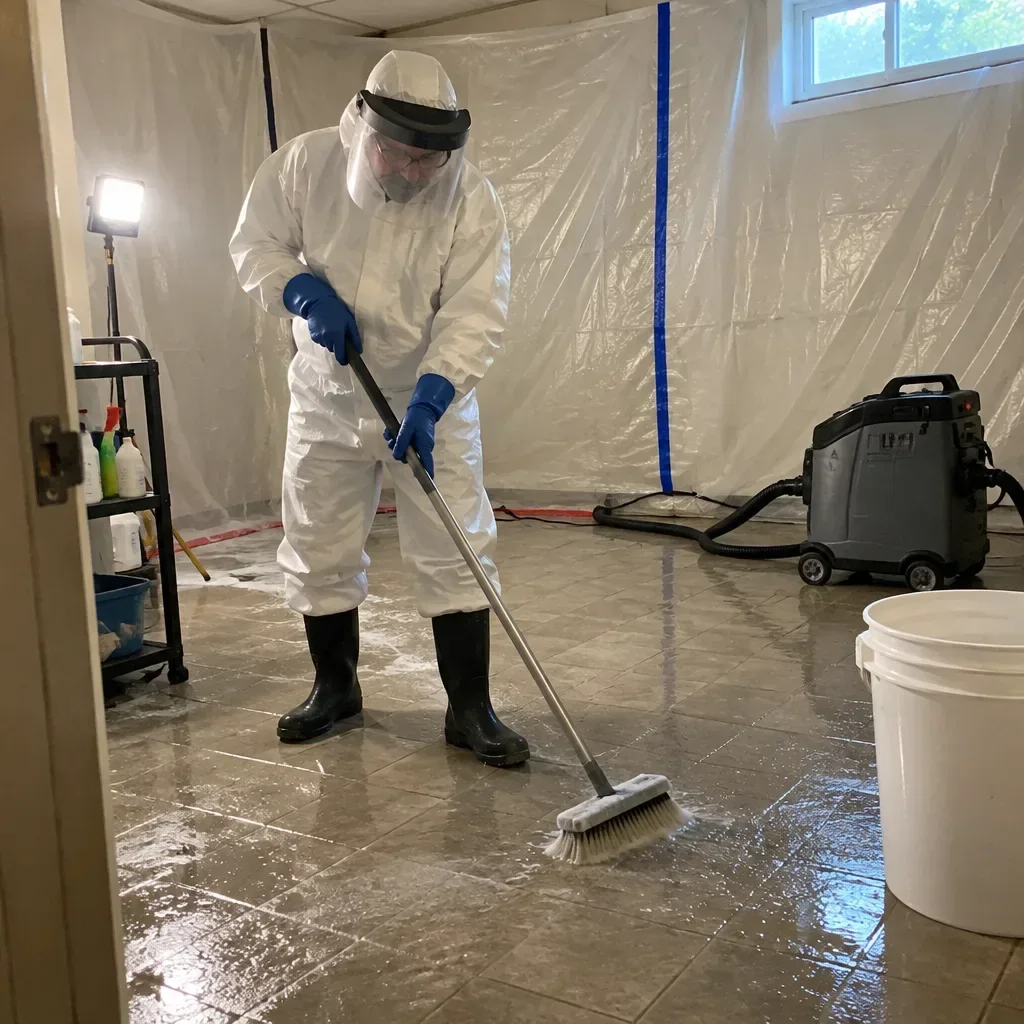
Sewage containment keeps affected rooms apart and limits unsafe movement.
In Longmont, sewage backing into a home can leave the source uncertain even when the affected room is obvious. The city can investigate a reported backup to determine whether a blockage may involve a service line or the main sewer line, but that check does not clean sewage from rooms or household surfaces. Keep residents and pets away from the affected route while the property is assessed. A landmark or ZIP code cannot tell a homeowner which side of the line is involved; the property address and local findings matter.
In Longmont, the pros we connect you with can begin by mapping affected rooms, openings, and the routes workers will use, then decide where barriers and a controlled entry point belong. An address check can clarify which wastewater provider serves the property, while access from County Road 34 may affect equipment arrival and setup. The work area can change if inspection finds exposure beyond the first boundary. Ask how the licensed pros we connect you with will handle drying after contaminated surfaces are cleaned and which contents can be treated separately.
A Sandstone Ranch reference cannot determine what sewage touched inside a home; Sewage Containment follows the affected materials, while Frederick, Erie and Berthoud names nearby coverage examples.
For cleanup inside a private home, follow Sewer Backup Cleanup; landlords and business operators can find guidance for rental or work properties at commercial sewer backup cleanup.
Specks or smears on a stair edge can mark where contact occurred as someone moved between levels. That matters in a Longmont home because a route used to reach the basement may connect the affected space with a clean hallway. A cleanup assessment should consider those transitions when setting barriers, not just the floor where water collected. Until the route is evaluated, residents and pets should stay clear; each unnecessary crossing can make the work area harder to control.
A floor drain or low opening can bring attention to where a backup entered, but it does not show how far exposure extends. In Longmont, the crew should also look at nearby doorways and surfaces along the path workers will take. The boundary may need to include places touched during movement, even if they do not look wet. Containment can then direct equipment and supplies through a defined access point, reducing traffic through unaffected parts of the home.
If a door is propped open or a barrier has a gap, air and foot traffic can pass between work and living areas. That is a practical warning that the separation may need attention during cleanup. A homeowner can watch from a safe location for an entry route that is being used consistently and for barriers that remain in place. At a property near Sandstone Ranch, as anywhere in Longmont, the crew should reassess the setup when the work area or access route changes.
Inspect the affected rooms, openings, and travel paths. Their connections help set a boundary that accounts for exposure beyond the first visible spot.
Place barriers at room openings and establish a managed entry route. This separates the work zone from household areas.
Direct workers, tools, and supplies through the chosen access point. Predictable movement helps keep the boundary effective.
Review the barrier line as cleanup advances. Extend or reposition it if inspection reveals additional affected space.
In Longmont, a basement stair, doorway, or shared hall can connect the cleanup area with rooms the household still needs to use. If workers and residents cross the same route, contaminated debris may travel beyond the intended boundary. A clear barrier and planned access point help keep that movement focused while sewage is removed and surfaces are cleaned. The pros we connect you with should explain where the controlled area begins and what would prompt them to expand it.
Longmont’s sewer guidance distinguishes a problem in a private service line from one involving the main, and an address check helps establish the relevant connection. A cleanup scope can name the interior rooms and materials included, helping the owner understand what the work covers. The owner can ask which party should investigate the line and keep the cleanup boundary focused on affected interior space. ZIP code alone does not establish a property’s provider or line responsibility.
The city’s investigation of a reported backup can help locate whether a blockage involves a service line or the main. That finding may shape who handles the source, while the cleanup provider manages sewage-affected space inside the structure. The owner should confirm the property address and sewer connection before assuming which utility applies. At a Longmont property near Dickens Farm Nature Area, as elsewhere, the address—not a nearby landmark—determines the applicable service arrangement.
For a home near Founders Park, Sewage Containment ranges in Longmont are estimates; check with the pros we connect you with whether a visit charge applies and request written scope.
| Extent of Contact | Sanitation and Drying | Scope Behind Cost |
|---|---|---|
| Small Footprint | St. Vrain Greenway area reference: assess affected surfaces and describe needed work | an estimated $3,500–$6,500 |
| Room-Scale Work | Only the agreed areas and tasks: removal, cleaning, disinfection, odor treatment, drying | an estimated $4,025–$8,450 |
| Cross-Room Work | Add affected rooms or materials only after identification and written documentation | an estimated $3,500–$6,500 |
| Extensive Interior | Limited cleanup follows the documented reach of sewage inside the structure | an estimated $8,400–$26,000 |
Once the affected rooms are mapped, the scope may include disposal, extra surface treatment, odor control, or time to dry building materials. Those additions can change the total. The pricing guide explains how cleanup tasks are considered; finding or fixing the sewer-line source is separate plumbing work.
A crew first identifies affected rooms and likely travel paths, then separates that space from clean areas with barriers and one managed access route. Residents and pets should stay out while the work is underway. The crew controls how workers, tools, and supplies enter and leave, since each crossing can carry contamination farther. The boundary is checked again as cleanup proceeds and adjusted if new exposure is found.
The limit should account for observed exposure, connected openings, and surfaces along routes used during the incident or cleanup. A dry-looking doorway does not automatically belong outside the work area. In Longmont, the property’s wastewater connection can be checked by address, but ZIP code alone cannot establish service. The provider should explain what observations set the boundary and what would lead them to extend it.
Keep residents, visitors, and pets away from the contained space, and do not carry household items through it. The crew should use a planned route for people and equipment, with barriers maintained at openings. If someone must pass near the work, ask the provider to clarify a safe route before moving. Limiting casual traffic reduces the chance that affected material reaches other rooms.
Barriers remain while the affected area is being handled and can be moved as the work changes. The crew should inspect the edges and access point during cleanup; a newly identified affected surface may require a larger work zone. Containment is only one part of the response. Sewage removal, cleaning, disinfection, odor treatment, and drying follow according to the materials and conditions found.
Until the affected area is assessed, limit foot traffic and avoid carrying exposed items through clean rooms, since movement can spread residue beyond the original surfaces and blur the cleanup boundary. A cleanup provider can manage affected space inside the home, but line diagnosis or repair is plumbing work and may involve the city or a plumber. Keeping those roles clear helps avoid treating containment as a fix for the cause.
Ask the provider to record the affected rooms, materials, boundary changes, and work performed. Photos and notes can help an owner keep a clear account of the damage and response. Insurance decisions depend on the policy, so these records do not guarantee coverage. The owner can also retain the address-level sewer information and any findings about who is responsible for investigating the source.
A researched price range was not provided for this work; $7,000–$14,000 is the cleanup estimate. The pros we connect you with can assess the damage and confirm pricing based on the space, contaminated materials, and drying required.
Start with where sewage traveled; that determines what gets removed, treated, and dried.
See when a Longmont homeowner can manage a limited sewage mess and when uncertain exposure, hidden spread, or affected building materials call for professional cleanup.
Read article
When can a Longmont homeowner return after sewage cleanup? See how completed work, moisture findings, and clear provider notes help guide reentry.
Read article
A Longmont sewage backup needs a prompt call, but arrival estimates depend on current availability and site details. Learn what to report and ask while rain may coincide with backups.
Read articleFor a Longmont address near County Road 34, first check whether the property is served by a sewer system and which provider handles it; location alone cannot settle that. Then ask the pros we connect you with whether they serve the address and can assess sewage affected materials. Discuss how extraction and containment fit the job, what disinfection covers, how drying is evaluated, and whether the visit or any task has a separate charge. Request the proposed work in writing, and contact a plumber about locating or repairing the backup source.
Call (303) 879-2581