Office Building Cleanup
Longmont Office Guide
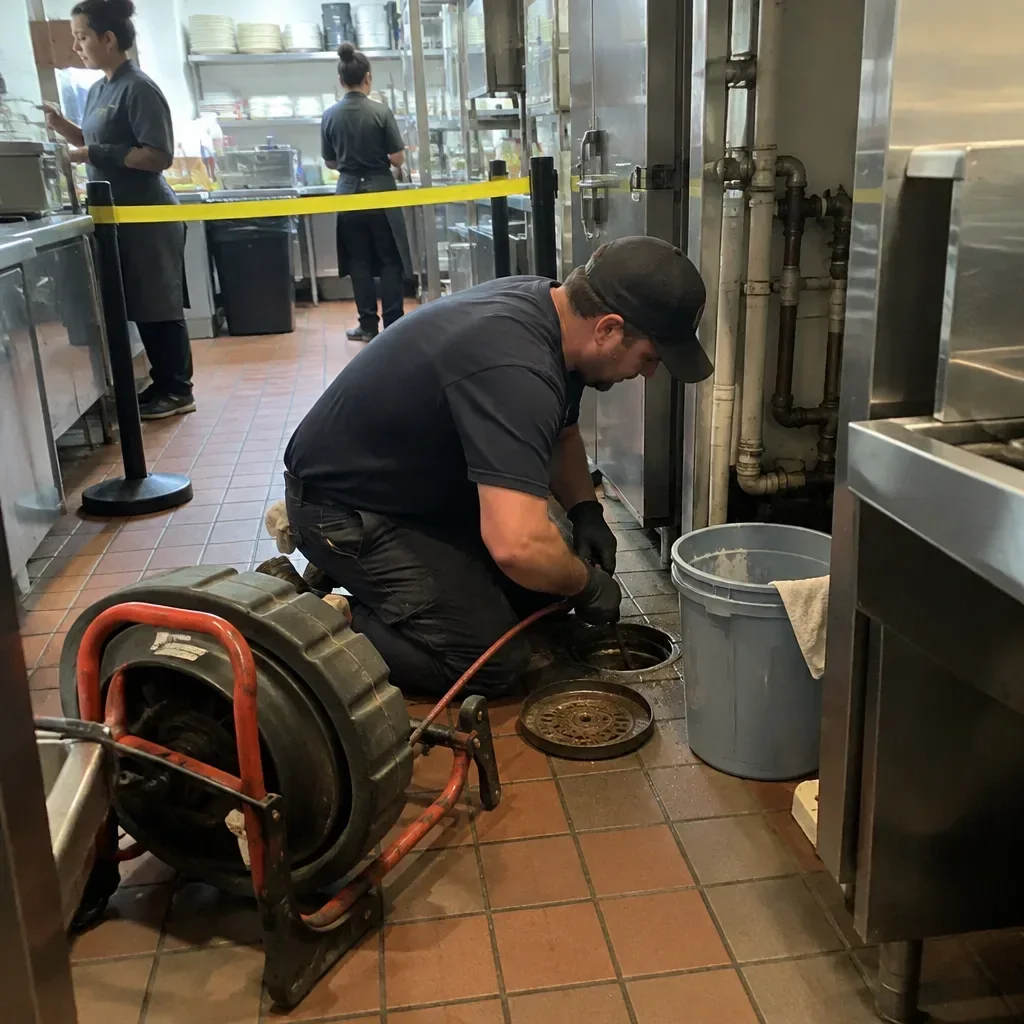
Follow the path of contamination through kitchen, storage, and service areas before planning restaurant cleanup in Longmont.
Restaurant sewer backup cleanup separates contaminated areas from food service, assesses food, equipment, and supplies, removes sewage and materials that cannot be cleaned, then cleans, disinfects, and dries affected building areas. Consult the food safety authority about requirements before resuming service.
In a Longmont restaurant, start by keeping people out of the affected area, then map how the commercial kitchen backup intersects with food handling and service. A drain near prep benches may affect more than the floor around it; splashes or tracked water can reach paths used by staff. Restaurant sewage cleanup should account for that working layout before anything is moved. The pros we connect you with can assess the affected space and explain the cleanup sequence, while the owner checks which food operations must pause.
A restaurant has distinct zones: receiving, cold storage, prep, dishwashing, and service. Mark which spaces are touched by sewage and which are separated by a closed door or other sound barrier; a doorway alone does not prove the clean side stayed clear. In Longmont, a kitchen with a shared route to the Community Center may have staff crossing between uses, so access paths belong in the assessment too. Keep staff and visitors out of suspect areas until a cleanup professional has evaluated them.
Next, review food, packaging, utensils, and small supplies that were open or stored near the affected zone. Their exposure depends on where they sat and how contamination reached them, so do not return items to service based on appearance alone. Set aside the information for the relevant food safety authority, which can advise what must be discarded or otherwise handled. This is a practical part of food service cleanup: a clean floor does not settle whether nearby ingredients or service items are suitable to use.
A backup can interrupt work well beyond the spot where water appeared. A Longmont restaurant might lose access to a prep station while leaving packaged deliveries or a separate service area untouched. Write down which tasks stopped, which routes changed, and what remains available; this helps the owner explain the operational effect without assuming the whole business is either open or closed. If staff are reassigned, tell them which boundaries apply before they resume work in another part of the kitchen.
Equipment needs its own review. Note whether a refrigerator, dishwasher, worktable, or floor-mounted appliance was contacted by sewage, and avoid switching on equipment that may have been exposed until it is assessed. The surrounding surfaces and the appliance itself can require different decisions. For a Longmont kitchen, identifying the affected unit and its role helps the owner coordinate evaluation with food service needs, without assuming that wiping an exterior makes the equipment ready for use.
| Area or Item | Condition Found | Next Step |
|---|---|---|
| Work zone | Affected floors, drains, and nearby prep surfaces | Set boundaries before extraction begins |
| Food stock | Ingredients and packaging exposed to sewage | Ask the relevant food safety authority about handling |
| Kitchen equipment | Contact surfaces, undersides, and mobile bases | Assess what can be cleaned and disinfected |
| Food and stored supplies | Utensils and supplies stored in affected areas | Keep questionable items apart pending review |
| Staff routes | Paths between kitchen, dish area, and dining room | Limit movement through contaminated space |
| Service functions | Prep, washing, or storage areas affected by the backup | Coordinate work around unavailable functions |
| Service interruption planning | Cleaned surfaces and product label directions | Follow required contact time and safety steps |
| Structural drying | Damp floor edges, cabinets, and wall bases | Check hidden moisture before reopening areas |
The cleanup assessment sorts materials by what happened to them: some surfaces can be cleaned and disinfected, while absorbent items reached by sewage may need removal. That can include floor coverings, wall materials, or stored items, depending on exposure. In Longmont, the pros we connect you with should explain the basis for each proposed action so the owner can understand what will be taken out and what stays. Once affected surfaces are cleaned and disinfected, structural drying addresses moisture remaining in the building materials.
Keep the work zone apart from food handling and customer routes while cleanup proceeds. Containment can limit movement of contaminated water and debris, but it needs to match the restaurant’s layout: a route used for deliveries can undermine a barrier if staff keep crossing it. An operator serving Longmont and nearby Erie should tell the cleanup professional about receiving doors, shared corridors, and other access points before work starts. People should stay clear, and protective equipment and thorough cleaning and disinfection matter when sewage exposure is involved.
Record decisions as they happen: who closed an area, when access changed, what the cleanup professional found, and which questions went to the food safety authority. A brief dated log helps a Longmont owner connect observations with the choices made during a busy disruption. Keep the roles clear, especially when a manager, kitchen lead, and property contact are all involved. This is about making the restaurant’s response understandable afterward, not deciding in advance which operation should take priority at another site.
Food safety decisions call for the relevant authority’s guidance, because requirements can depend on what was exposed and how the restaurant handles food. Ask specifically about affected ingredients, utensils, equipment, and the conditions for restarting work in those spaces. A Longmont operator should keep the advice with the cleanup notes rather than relying on a general rule of thumb. Product disinfectants also need to be used as their labels direct, including stated contact time and safety instructions.
While an area is closed, the owner can coordinate practical changes such as pausing a menu item, rerouting staff, or changing where deliveries are received. These choices depend on what remains safely usable and on guidance from the relevant food safety authority. If a Longmont restaurant serves customers from Lafayette or Centennial, explain any temporary service change plainly to staff so a workaround does not send people through a restricted kitchen zone. The cleanup professional can describe work-area limits as the assessment develops.
Photograph affected surfaces and items before removal or cleaning when it is safe to do so, and pair the images with a concise inventory. Note what each item was, where it was kept, and what action followed. For a Longmont restaurant, these records can help explain the damage during an insurance claim review, though coverage depends on the policy. Keep copies of cleanup notes and communications together so the owner can respond to later questions about the condition and work performed.
After the immediate work, review what the event revealed about the restaurant’s own setup: whether a storage rack sat too close to a floor drain, whether a route made separation difficult, or whether staff knew who to call. A Longmont owner can use those observations to improve site procedures and staff instructions. This review is specific to the affected restaurant; it does not require ranking buildings or choosing which location gets attention first. Keep any plumbing findings distinct from the cleanup record.
The cost of commercial sewage cleanup can vary with the extent of contamination, the materials that need removal, the equipment involved, and how much of the restaurant must be cleaned and dried. A small affected zone and a kitchen with several impacted surfaces call for different amounts of work. For a Longmont owner, an itemized assessment makes the proposed scope easier to understand. Ask the cleanup professional to explain which conditions are driving the work; do not assume an insurer or utility will pay.
Drying follows extraction and cleaning because building materials can hold moisture after visible sewage is gone. The cleanup professional can identify which affected parts of the structure need monitoring and explain any follow-up. In Longmont, the owner should ask what areas were checked and what the recorded findings mean before treating the kitchen as ready for normal use. A separate plumbing assessment may be needed to diagnose or repair the backup source; cleanup handles contamination inside the restaurant, not sewer-line repair.
Check the kitchen boundary first, then trace whether sewage reached food preparation, storage, dishwashing, or dining areas. In Longmont, a backup near Coal Creek or Left Hand Creek does not by itself identify the source or the sewer provider. A commercial kitchen backup needs a clear separation between affected space and food operations while materials are assessed. The cleanup plan can then address removal, surface treatment, odor, and drying; food safety decisions should be confirmed with the relevant authority before service resumes.
A ZIP code cannot confirm a home's sewer connection or cleanup reach; check the linked communities for service-area details before arranging work inside the structure, includingDacono, Frederick and Longmont. Ask what a site visit costs, if anything, then verify that the pros we connect you with serve the property's location.
A restaurant storage area and a larger customer space can call for different cleanup scopes. Commercial quotes commonly reflect the size of the affected area and the number of visits; $7,000–$14,000 is the guide figure. Sewer-line troubleshooting and repairs require a plumber.For a Longmont business, affected rooms, materials and equipment shape the work list and price. When calling, describe where sewage reached and which spaces need to remain usable; a location reference such as Legacy Trail can help identify the site. Plumbing diagnosis or repair is separate.The affected area and materials needing attention shape the estimate; pricing guide explains cost factors, while commercial overview shows how commercial jobs are organized.
Longmont Office Guide
Retail sewage cleanup
Hotel Backup Planning
Restaurant sewage cleanup starts by keeping staff and customers out of affected spaces and separating those spaces from food operations. The cleanup professional assesses where sewage reached, removes contaminated material as needed, and cleans and disinfects affected surfaces before drying the structure. Food, equipment, and supplies need separate review. In Longmont, the food safety authority can clarify applicable requirements for the restaurant’s situation.
Food and supplies should be held apart from usable stock until their exposure and condition are reviewed. The relevant food safety authority can advise what must be discarded or kept out of service. Equipment requires a material-specific assessment: hard, accessible surfaces may be treatable, while sewage-soaked parts may not be. Staff should not handle affected items before the area is assessed.
Keep a record that lets someone understand the sequence of work: what was affected, what was removed, which surfaces were treated, and where drying took place. Add dated photographs and notes about food, supplies, or equipment taken out of service. Keep clean belongings separate from items that may have contacted wastewater.
Plan work around safe access and the restaurant’s affected functions. A manager can identify which rooms are unavailable, where staff should enter, and which tasks must wait for cleanup. In Longmont, consult the relevant food safety authority about requirements for the operation before bringing food service back into an affected space. A plumber may need to investigate the backup source separately.
Keep staff out of affected rooms, contact the food safety authority, and discuss the restaurant’s cleanup sequence with the pros we connect you with.
Call (303) 879-2581