Hotel Cleanup
Hotel Backup Planning
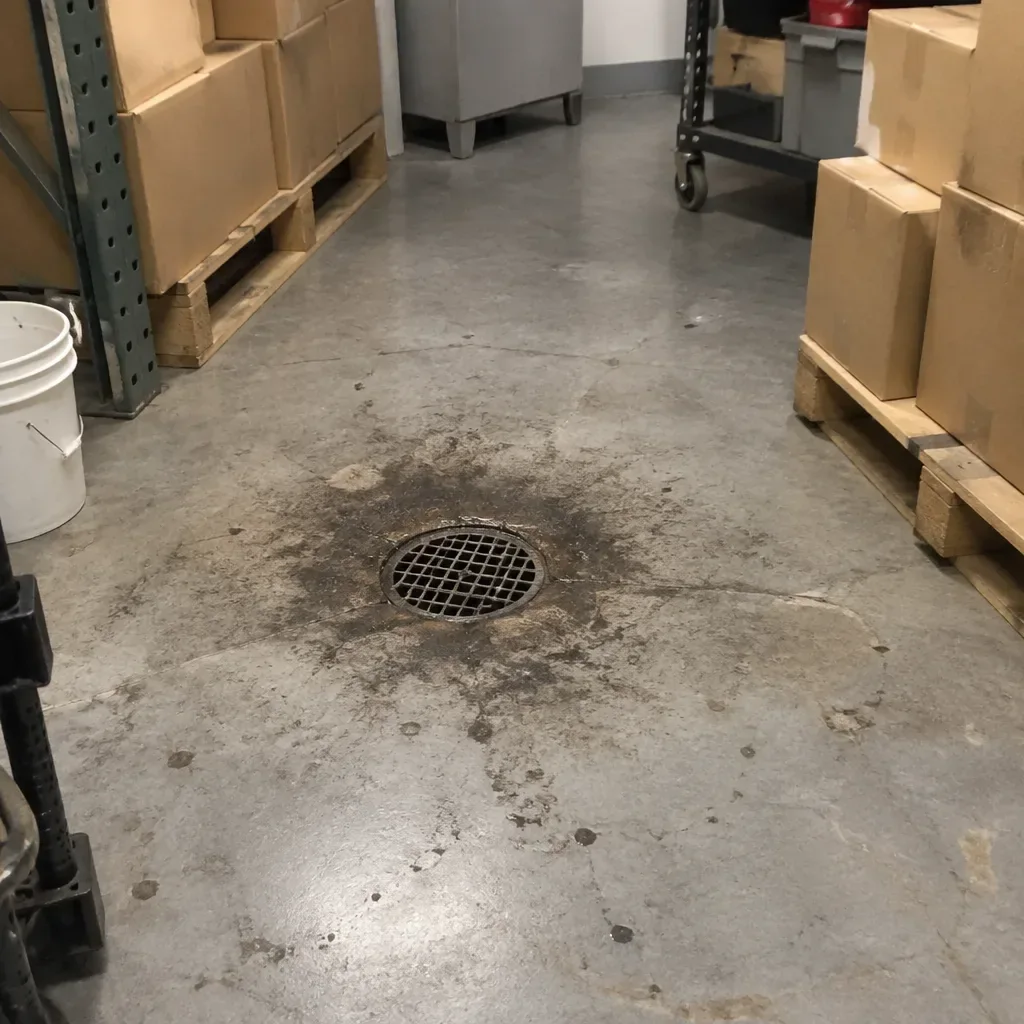
Plan Longmont retail sewage cleanup around affected stock, store access, and clear records of each decision.
The pros we connect you with isolate the affected sales or storage zone, extract sewage, and remove materials that cannot be cleaned. They clean, disinfect, and dry affected surfaces and building materials. Managers can record stock decisions and work completed as operations are coordinated.
Start with a store map, not a guess at the cleanup boundary. Mark the sales floor, stockroom, receiving area, and any merchandise exposed to sewage, then note which spaces still serve customers or staff. In Longmont, those records give the pros we connect you with a practical way to discuss containment and work access. Commercial sewage cleanup cost can change with the affected materials, the size of the work area, and how store activity must be coordinated.
A clean-looking edge does not establish where contamination ends. Record visible water, staining, odor, and damp materials by aisle or room, and include areas on the other side of shelving if sewage may have reached them. Longmont store managers can use a dated sketch and photos to show what was observed before materials are moved. Keep customers and staff out of the suspected area while it is assessed; sewage can carry harmful contaminants.
Treat merchandise as part of the assessment, not as an afterthought. Note product type, location, packaging condition, and whether sewage contacted the item or only nearby fixtures; absorbent goods and porous displays may not be suitable for cleaning. In Longmont, an item list tied to shelf or stockroom locations helps preserve a clear damage record. Set aside decisions about resale or disposal until the cleanup professional has assessed the affected materials.
Before work starts, agree on how people and clean areas will stay separated from the affected space. The plan may use barriers and a controlled path for removing sewage and debris, with entry limited to those doing the work. In Longmont, record which doors are available and who can authorize access. That gives the store a basis for explaining interruptions later, while reducing the chance that contaminated material is carried into customer areas.
Put operational decisions in the same record as the cleanup plan. Note which departments can trade from another area, whether deliveries need a revised route, and who will tell staff when a boundary changes. A store near County Road 34 might have a different delivery pattern than another Longmont shop, so use the actual site schedule rather than a generic assumption. Written handoffs help prevent a closed section from reopening before it has been assessed and cleared.
| Cost drivers | Store effects | Work sequence |
|---|---|---|
| Site identity | Store address, suite, and branch identifier | Add a nearby map reference, such as Dickens Farm Nature Area, when relevant |
| Affected zones | Sales, storage, and public areas touched by sewage | Mark boundaries on a store plan for claim review |
| Retail impact and merchandise claim records | Item identifiers, locations, and observed condition | Keep item notes with photographs for assessment |
| Building materials | Flooring, wall finishes, and other affected materials | Record what was removed, cleaned, or dried |
| Photo log | Images of affected areas before and during work | Link each image to its store zone |
| Work decisions | Containment, access changes, and operational choices | Note who made each decision and why |
| Cleanup record | Extraction, material removal, cleaning, and drying notes | Keep steps tied to the areas addressed |
| Future planning | Branch details and observations for later comparison | Track cleanup decisions by store area |
Stockroom cleanup deserves a separate record because shelves, cartons, and stored supplies can obscure the extent of contact. Photograph the layout before contents shift, label affected zones, and note which materials the professional recommends removing, cleaning, or drying. In Longmont, the record can also distinguish stockroom work from sales-floor work when managers review business disruption. Porous items exposed to sewage may need disposal because surface treatment cannot reliably reach contamination held inside.
Keep a simple timeline of decisions: when an area was closed, when assessment took place, what materials were removed, and when cleaning or drying was completed. This supports claim review and helps managers plan future procedures for the store. For a Longmont location near Vrain Creek, do not infer a backup cause from geography; the record should describe observed conditions and verified findings. Coverage and responsibility require property-specific review.
The sales floor needs a boundary customers can understand and employees can maintain. Record the barrier location, nearby aisles affected, and any route staff use to reach a register or exit without crossing the work zone. At a Longmont shop near Founders Park, for example, the site plan should reflect that store’s actual layout, not a presumed neighborhood pattern. Clear notes make it easier to explain why a section remains unavailable while cleanup proceeds.
In Longmont, city guidance describes investigation of reported sewer backups and distinguishes a service-line blockage from a main-line problem. That can help identify who should investigate the source, but the address and cause need checking; a ZIP code alone does not establish the sewer provider or line responsibility. Keep any findings with the store’s cleanup file. The cleanup assessment documents interior contamination, while a plumber handles diagnosis or repair of the plumbing source.
For a store with several departments, assign one person to maintain the site log and collect updates from the cleanup professional and plumber. Record each change to the affected boundary, the reason for it, and who approved reopening a section. Longmont managers can use a shared copy for operations staff who need current access instructions. This avoids relying on verbal updates that may not reach a shift change or a separate department.
Build the claim file from evidence gathered as work unfolds: dated photos, an itemized list of affected materials, the assessment, and notes on removal, cleaning, disinfection, and drying. In Longmont, preserve the original observations as well as later updates so a reviewer can follow how the work area changed. Keep receipts and communications with the file if available, but do not treat documentation as a guarantee that a policy will cover the loss.
A useful record says what happened at the property without assigning blame prematurely. Note when the backup was discovered, what was visible, and which authorities or trades were contacted; separate confirmed findings from open questions. Longmont’s sewer guidance can inform a report, but responsibility depends on investigation at the address. A careful timeline gives the owner a stronger basis for claim review and for deciding what store procedures may need updating.
The work record should track the cleanup through its stages: sewage removal, disposal of materials that cannot be cleaned, surface cleaning and disinfection, odor treatment when needed, and drying of affected building materials. In Longmont, note the areas handled and any remaining moisture checks the professional recommends. Disinfectants must be used as their labels direct, including safety steps and contact time. These details help distinguish completed work from tasks still awaiting assessment.
Once the area is dry and assessed, keep the final status with the store file: what was cleaned, what was removed, and which sections are ready for normal use. If the cause remains unresolved, list the open plumbing question and the person coordinating follow-up. In Longmont, city investigation may help locate a sewer blockage, while a plumber may need to diagnose or repair the source. Separate records for cleanup and source repair clarify what each party addressed.
In Longmont, retail sewage cleanup planning should start with a floor plan and incident record, then move to stock decisions and work scheduling. Commercial sewage cleanup cost can shift with the area involved, shelving and fixtures that need attention, merchandise exposure, equipment access, and whether work must fit around trading hours. Record each affected zone before cleanup changes it: what was wet, what was moved, what was discarded, and why. That sequence gives managers a useful basis for claim review and for comparing procedures across stores.
When sewage has entered a building, the owner can review the linked communities to see where indoor extraction, disinfection, and drying may be available, includingFrederick, Longmont and Mead. Before setting a visit, find out if the pros we connect you with bill for travel and whether they take jobs beyond their usual area.
A restaurant storage area and a larger customer space can call for different cleanup scopes. Commercial quotes commonly reflect the size of the affected area and the number of visits; $7,000–$14,000 is the guide figure. Sewer-line troubleshooting and repairs require a plumber.For a Longmont business, affected rooms, materials and equipment shape the work list and price. When calling, describe where sewage reached and which spaces need to remain usable; a location reference such as Legacy Trail can help identify the site. Plumbing diagnosis or repair is separate.The affected area and materials needing attention shape the estimate; pricing guide explains cost factors, while commercial overview shows how commercial jobs are organized.
Hotel Backup Planning
Longmont Office Guide
Food Service Cleanup
Keep a dated incident file for each Longmont location. Include a marked floor plan, photographs taken before work, affected departments, stock decisions and the reason for each decision. Add the cleanup scope and notes on completed work as they become available. For a multi-site operator, use the street address as the primary identifier; a nearby marker such as Sandstone Ranch can help staff distinguish files, but should not replace the address.
The cleanup professional assesses each item according to its material and contact with sewage. A sealed, washable surface may be handled differently from absorbent packaging or merchandise that cannot be cleaned thoroughly. Keep a record of the item or stock category, its location, and the assessment outcome. Longmont managers can use that record to explain inventory decisions during claim review and to plan storage or display changes for future incidents.
Keep staff and customers out of the affected zone, and avoid moving stock through it. Give the cleanup professional a floor plan that marks sales areas, storage, receiving access, and any routes that must stay open. Also share trading and delivery hours so the work plan can account for store operations. Longmont’s city investigation distinguishes service-line and main-line problems; keep any findings provided for the property with the incident record without assuming who is responsible.
Odor can linger if sewage residue or contaminated material remains, so the work record should note where smells persist after cleaning. Cleanup may include odor treatment once sewage and affected materials have been removed and surfaces cleaned. The manager can use follow-up notes to identify the location and timing of any continuing odor, then ask the professional whether more assessment is needed before the area returns to normal use.
Map affected sales and stock areas, gather operating hours, and ask the cleanup professional how site conditions and work decisions will be recorded.
Call (303) 879-2581