Retail Cleanup
Retail sewage cleanup
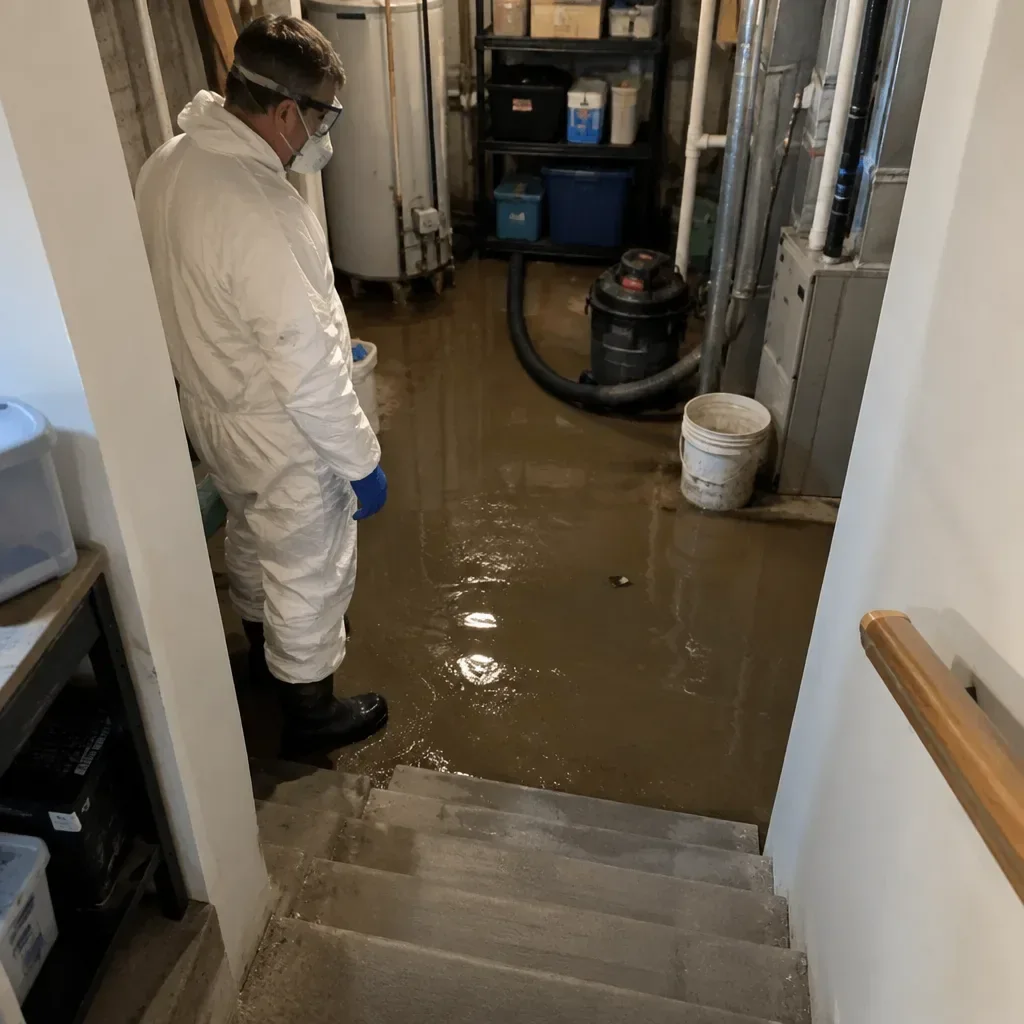
Plan healthcare sewage cleanup around room access, care schedules, and facility review in Longmont.
Facility leads and a cleanup professional define affected rooms, access routes, and work windows, then contain the area, remove sewage and unsalvageable materials, clean, disinfect, and dry. Infection prevention and operations review the records and affected spaces before return to use.
In Longmont, the first decisions are about boundaries and timing: identify the affected rooms, check adjoining spaces, then agree on who needs access and when. Healthcare sewage cleanup must keep the work area apart from spaces that remain in use, while fitting extraction, cleaning, and drying around care needs. Facility infection prevention and safety leads can set room requirements with an independent cleanup professional. That order helps staff plan closures before a wet floor or blocked route disrupts more of the day.
A clinic sewer backup means sewage has entered the building through a drain or other plumbing opening. The visible wet area may not show the full path, so assessment should include connected rooms, thresholds, and nearby finishes. In Longmont, staff can start a room-by-room review with the cleanup professional and infection prevention lead, noting which spaces are occupied and which can be made available. That map informs the work boundary and helps keep unrelated appointments away from the affected route.
Medical facility cleanup has to account for how people and supplies move through the building. Before work is scheduled, identify a controlled entry for the affected area, a route for removing materials, and nearby rooms that need to stay open. Longmont facility leads can compare those routes with appointment blocks, deliveries, and room turnover. If no clear path avoids active care areas, the schedule may need a different work window or a wider temporary closure.
For Longmont sites, commercial sewage cleanup costs can vary with the rooms involved, the materials exposed, and how access can be arranged. A small area that can be isolated during a quiet window may require a different plan from several connected rooms that remain in use. Equipment that needs review or careful relocation can also affect the work sequence. The facility can make estimates more specific by sharing its room map, operating constraints, and the times when staff can release each space.
Assessment should record more than the room where sewage first appeared. In Longmont, staff can walk the affected and adjoining spaces with the cleanup professional, noting floor and wall finishes, built-ins, and equipment that may have been exposed. Some absorbent materials may require removal; other surfaces can be cleaned and disinfected. Flagging items that need an equipment review early helps the facility decide who must approve movement and whether a room can be released for work.
| Care area | Observed condition | Work window |
|---|---|---|
| Site reference | Longmont address recorded | St. Vrain Greenway or Sandstone Ranch noted as map landmarks |
| Access window | Room availability agreed with facility lead | Work timed around care activity |
| Patient routes | Occupied paths identified before setup | Traffic redirected away from work area |
| Room boundaries | Impacted rooms and clean zones mapped | Separation checked before nearby rooms return to use |
| Care equipment | Items near sewage contact assessed | Cleaning or removal decision documented |
| Surface review | Exposed floors, fixtures, and surfaces identified | Disinfection completed per product directions |
| Drying progress | Affected building materials assessed for moisture | Drying status recorded for facility review |
| Work record | Photos and notes tied to affected materials | Facility leads review records before room release |
Before cleanup starts, the facility and cleanup professional should agree on the boundary, entry point, and work hours. Containment helps separate the affected zone from clean areas, while a planned debris route reduces crossings through operating spaces. In Longmont, infection prevention leads can help identify sensitive adjacent rooms and times when the corridor can be reserved. Keep people and pets out of the affected area until it has been assessed and cleaned; access controls should remain clear through the work.
Once the area is isolated, sewage is extracted and contaminated materials that cannot be adequately cleaned are removed. Remaining affected surfaces are cleaned and disinfected, with products used according to their labels and stated contact times. In a Longmont clinic, the sequence can be divided by room or zone when that allows unaffected care to continue. Drying follows the cleaning work, and odor treatment may be considered after the source material and affected surfaces have been addressed.
Equipment decisions should be made with the staff responsible for each item, not left to the room schedule alone. In Longmont, the facility can identify which devices or supplies were in the affected zone, who can assess them, and whether they must be moved before extraction or surface work. Items that cannot be relocated may change the work boundary or timing. A written decision for each affected item prevents a cleared room from reopening while its contents are still under review.
A useful Longmont cleanup record ties each decision to a location and time window. It can show which rooms were closed, what the assessment found, which materials were removed, and when cleaning, disinfection, and drying were completed. Staff can also note equipment held for review and any area still awaiting work. Photos and written observations support later facility or claim review, while a clear record helps another shift understand what is ready and what remains restricted.
If odor persists after visible sewage is gone, the next step is to review the affected materials and drying status rather than simply masking the smell. Longmont facility staff can ask the cleanup professional to connect any remaining odor with the assessment and work record. That may identify a material or location needing further attention. Where drying continues, the room should stay out of service until facility leads review the findings against its use requirements.
Cleanup addresses contamination and damage inside the building; it does not locate or repair the cause of a backup. A plumber may need to diagnose the blockage or sewer line issue. Longmont publishes guidance on investigating reported sewer backups and distinguishing service-line problems from main-line issues. Facility staff should verify the source and responsibility for their address rather than assume either. Coordinating that investigation alongside cleanup can help avoid returning a room to service before the underlying problem is understood.
A room is ready for facility review after affected surfaces have been cleaned and disinfected and the structure has dried. In Longmont, the infection prevention and safety leads can check the completion record, confirm any equipment decisions, and apply the facility's own requirements for that room. The cleanup professional can provide observations about completed work and remaining moisture. The facility then decides when the space can return to its intended use, based on the review and operational needs.
For a Longmont healthcare organization coordinating more than one location, use the same record fields at each site: address, affected rooms, adjacent spaces, access window, work completed, and open decisions. Keep each site's findings distinct because the extent of contamination and the usable work hours may differ. A shared format makes it easier for operations and infection prevention staff to compare status without treating one facility's schedule or room requirements as a template for another.
A local site note should give the full Longmont facility address first; a nearby reference is useful only when it accurately helps distinguish that location. For example, Dickens Farm Nature Area, Sandstone Ranch, or the St. Vrain Greenway may serve as a verified orientation point when relevant to the address. The note should also name the affected building, room, and agreed access window. With those details, staff can coordinate the right entry and avoid confusion between locations.
Start with the rooms affected, then identify the doors, corridors, and care areas that must remain clear. In a Longmont clinic, the facility contact, infection prevention lead, and cleanup professional can agree on access routes and quiet work periods before equipment arrives. A room used for appointments may need a different window from a back-of-house space. Keep the work boundary distinct from operating areas; otherwise foot traffic can carry debris across the facility and force more rooms out of service. Record the agreed sequence so staff at each handoff know what is open, restricted, or awaiting review.
When sewage has entered a building, the owner can review the linked communities to see where indoor extraction, disinfection, and drying may be available, includingFrederick, Erie and Berthoud. Ask what a site visit costs, if anything, then verify that the pros we connect you with serve the property's location.
For an office restroom backup, a quote can account for each attendance, the space affected, and whether follow-up drying visits are needed. Use $7,000–$14,000 as the guide figure. Cleanup deals with contamination indoors; finding and fixing a blockage belongs to plumbing work.For a Longmont business, affected rooms, materials and equipment shape the work list and price. When calling, describe where sewage reached and which spaces need to remain usable; a location reference such as Legacy Trail can help identify the site. Plumbing diagnosis or repair is separate.The affected area and materials needing attention shape the estimate; pricing guide explains cost factors, while commercial overview shows how commercial jobs are organized.
Retail sewage cleanup
Food Service Cleanup
Hotel Backup Planning
Set a clear boundary around the affected rooms and agree on a controlled route for cleanup access with facility operations and infection prevention. Keep doors between work areas and active care spaces managed, and schedule noisy or disruptive tasks for an approved window. In Longmont, staff can use a recognized site reference such as Clem Dufour Park in location notes to avoid confusion between facilities. The cleanup lead should update the boundary if assessment finds spread beyond it.
Have the facility contact record which equipment and furnishings were exposed, their location, and whether each item is set aside for review, cleaning, or removal. Include room identifiers and the decision maker for items that affect patient care or records. For a medical facility cleanup in Longmont, this gives operations and infection prevention a shared reference when arranging substitutes and reviewing the affected area. Keep the notes with photos and the cleanup record.
Agree on work windows with the people responsible for appointments, patient movement, building access, and infection prevention before cleanup is scheduled. A clinic sewer backup may require affected rooms to remain unavailable while nearby services continue under the facility’s plan. In Longmont, identify any appointment or supply moves that depend on the room, then set a review point before it returns to the schedule. If the boundary changes, update staff before the next handoff.
Keep a dated record of room conditions, exposed materials, decisions about equipment, and the cleanup and drying work completed. Add photos that show where each condition was found, plus the name or role of the facility reviewer and any items still awaiting a decision. These records help Longmont facility leads compare the original scope with the finished work and support a return-to-use review. Retain them with the facility’s incident documentation.
Map affected rooms and access routes, then align work windows and review steps with facility leads and an independent cleanup professional.
Call (303) 879-2581