Retail Cleanup
Retail sewage cleanup
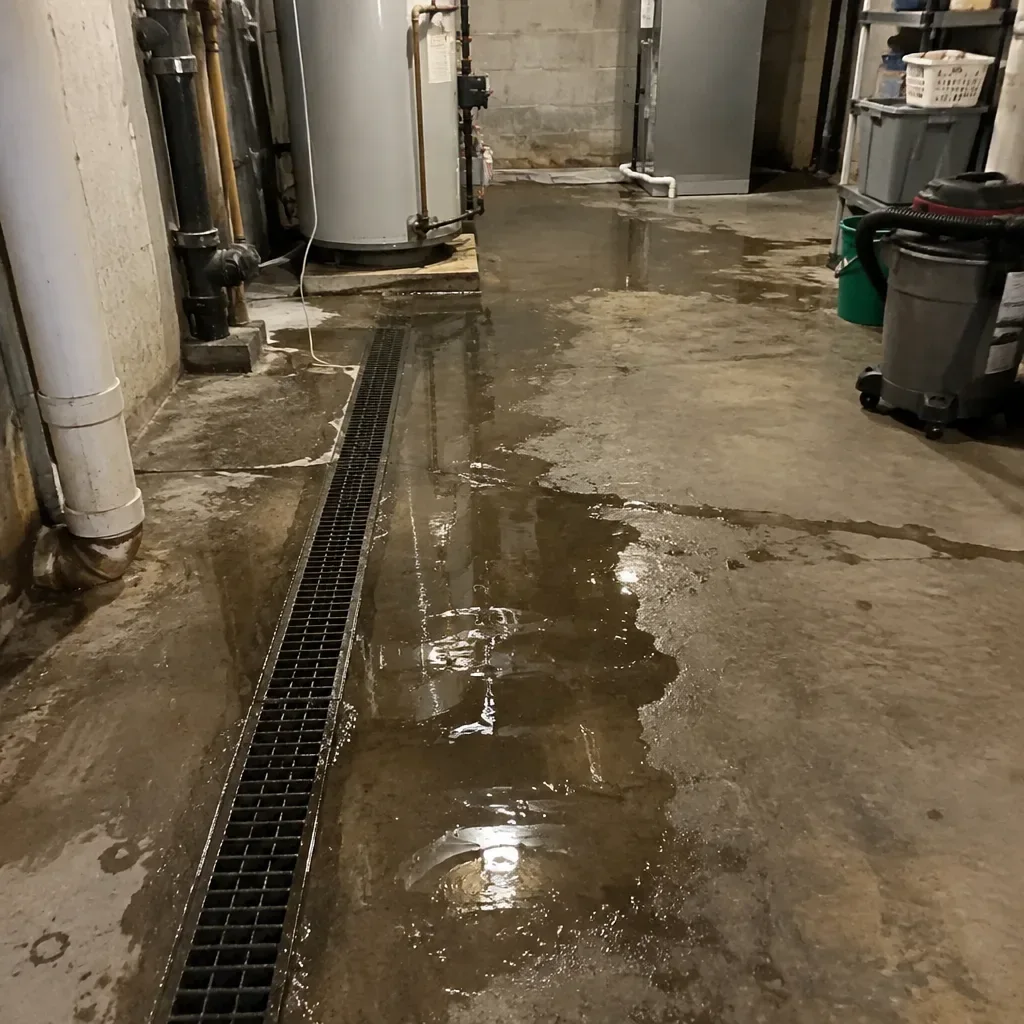
Plan Longmont school cleanup around affected rooms, building access, and the activities that need space.
For a Longmont school, list affected classrooms, restrooms, and shared areas with the activities each supports. Restrict access and coordinate around the school schedule, then review contents and building materials needing assessment with an independent cleanup professional so facility leaders can plan room use and decisions.
A school backup can turn a facilities problem into a timetable problem: a classroom may lose teaching time, while a restroom closure changes where students can go during breaks. In Longmont, planning school sewage cleanup starts by noting which rooms are affected and what each one supports. That picture helps explain the likely disruption and the work involved in commercial sewage cleanup, including access limits, handling damaged contents, and making space usable again.
Record what staff have observed, such as a floor drain overflowing, wet stored materials, or an odor near a shared room. Keep students, staff, and visitors out of the suspected area while a cleanup professional assesses it; sewage can carry harmful contaminants. In Longmont, a clear first report helps facility decision-makers distinguish an isolated room from a problem that could interrupt nearby classes or shared services.
A corridor or common room can affect more than the square footage it occupies: it may be the route between classes, a lunch area, or the nearest restroom. For a Longmont school, note who relies on each affected space and when it is busiest. That operational map gives cleanup planning a practical order, so the team can consider room access and school activities together instead of treating every area as separate.
Until the extent is understood, keep people away and establish a boundary between the affected space and areas still in use. Containment can help limit tracking contaminated water or debris into clean parts of the building. The school should identify who can authorize access and how staff will communicate a temporary closure. In Longmont, those decisions matter especially when a shared entrance or interior route connects several activities.
A closure plan needs to account for the school day: where a class can meet, which restroom remains accessible, and whether deliveries or after-school activities use the same route. A Longmont facilities manager can compare the campus map with familiar references such as County Road 34 when coordinating staff traveling between sites. The reference helps orient people; the school’s own access instructions determine where they should go.
| School area | Operational impact | Assessment needs |
|---|---|---|
| Instructional space impact | Instruction may shift while a room is closed | Note room use, contents, and affected surfaces |
| Building access planning | Closures can change access between classes | Check fixtures and nearby affected finishes |
| Shared spaces | Meals or gatherings may need a new location | Assess adjoining surfaces and contents |
| Access paths | Foot traffic may cross the restricted area | Set boundaries and a clean route |
| School schedule | Cleaning and drying can limit room use | Coordinate closures with planned activities |
| Learning materials | Books and supplies may need assessment | Separate affected items for review |
| Building finishes | Absorbent flooring or trim may retain sewage | Determine what needs removal, disinfection, or drying |
| Decision notes | Room closures affect daily operations | Keep photos and an itemized impact list |
Assessment should follow the contamination, not just the visible wet patch. A cleanup professional can identify which contents may be handled, which absorbent items may need to be discarded, and which building surfaces need cleaning or drying. In Longmont, a classroom backup might affect supplies stored at floor level as well as the flooring itself. That distinction helps administrators plan replacement needs without assuming every item in the room is lost.
The cost of commercial sewage cleanup can reflect the work needed to reach affected materials, remove items that cannot be cleaned, and protect school operations while rooms are unavailable. A small area with difficult access can require a different plan from a broad spill in an open common space. Longmont decision-makers can use the room list and assessment findings to understand which conditions are driving the scope, without relying on a number before the work is reviewed.
Moisture may remain beneath a floor finish or within a wall after surface water is gone. Once sewage and contaminated materials have been addressed, affected structure needs drying; equipment placement may further limit room use or access. A Longmont school should include those restrictions in its schedule discussion, since reopening a space while materials remain damp can complicate the next stage of work.
School building cleanup generally moves from controlling access to removing sewage, taking out materials that cannot be safely cleaned, and cleaning and disinfecting affected surfaces. Drying follows so remaining moisture in the structure can be reduced. For a Longmont campus, the order and boundaries should be clear enough for facility staff to coordinate room availability. Removing materials that cannot be safely cleaned leaves affected surfaces for cleaning and disinfection.
Odor can linger after visible contamination has been removed, so its location is useful information during assessment. Cleanup may include odor treatment after contaminated materials are taken out and affected surfaces are cleaned. In Longmont, staff should report whether the smell is limited to one room or noticed along a route used by others. That detail can help the professional evaluate the affected area without treating odor alone as proof of its cause.
Facility decision-makers need a usable account of what the incident affected: rooms, contents, building materials, and the activities displaced. Photos and notes can help document damage for an insurance claim, though coverage depends on the policy. A Longmont school can keep the documentation focused on observed conditions and decisions, such as why a classroom moved or a shared space closed, rather than making assumptions about responsibility or reimbursement.
Administrators, facilities staff, and teachers may each need different information to coordinate a closure. A principal may need to know which classes require another room; facilities staff may need the assessment of affected surfaces and contents; teachers need a clear route and access instruction. Longmont teams coordinating between sites can use local reference points like Sandstone Ranch or the Vrain Greenway for orientation, while keeping each school’s directions tied to its own campus map.
Start with a room-by-room list, then add the school activity each space supports, the observed conditions, and any route or service that depends on it. Mark what is known separately from what still needs assessment. In Longmont, this gives an independent cleanup professional a practical basis to review access controls and affected materials. It also helps the facilities manager explain why a room’s closure affects more than the room itself.
Before that review, note where staff can meet the professional and which campus entrance remains usable; avoid directing anyone through an affected space. A Longmont site map can include familiar markers such as Left Hand Creek to orient people traveling between locations, while the actual entry point and restricted areas should come from the school’s instructions. With the room list in hand, the next questions are which spaces need containment and what must be assessed before operations can shift back.
For a Longmont school, start with the rooms sewage reached, then trace how their closure affects lessons, restroom access, and shared activities. A campus map should name entrances and room boundaries clearly; a local reference such as Ames Park, Liberty Ranch, or Mead Ponds can help orient off-site readers when relevant. Keep students and staff out while the affected area is assessed. The findings guide containment, sewage removal, decisions about contents and building materials, cleaning, disinfection, and drying. That sequence helps leaders plan space changes while cleanup proceeds.
For a Longmont-area property, confirm that the pros we connect you with serve its address and handle indoor sewage cleanup; the linked communities show nearby coverage, includingDacono, Frederick and Erie. Before setting a visit, find out if the pros we connect you with bill for travel and whether they take jobs beyond their usual area.
A commercial kitchen estimate may be set for each cleanup visit, with the affected footprint and return schedule shaping the scope. The guide figure is $7,000–$14,000. Flooring and other materials exposed to sewage can change the work; pipe diagnosis or repair is a plumber’s job.For a Longmont business, affected rooms, materials and equipment shape the work list and price. When calling, describe where sewage reached and which spaces need to remain usable; a location reference such as Legacy Trail can help identify the site. Plumbing diagnosis or repair is separate.The affected area and materials needing attention shape the estimate; pricing guide explains cost factors, while commercial overview shows how commercial jobs are organized.
Retail sewage cleanup
Food Service Cleanup
Hotel Backup Planning
A sewage incident can interrupt normal school routines while affected spaces are assessed and cleaned. Tell school leadership and custodial staff which rooms and paths are closed, then post clear directions at decision points. In Longmont, the building contact can use the site map to coordinate access changes as the assessment identifies the work area.
Commercial sewage cleanup costs can change with the number and use of rooms taken out of service, the materials needing treatment or removal, and the time and access available for work. A restroom closure may shift traffic across a building; a classroom closure may require a different lesson space. List those operational effects alongside the cleanup scope when reviewing an estimate.
The assessor reviews each item according to its material and the extent of contact. A sealed tabletop may be handled differently from paper resources, books, or fabric seating, where contamination can reach absorbent areas. Some contents may be cleanable; others may need to be discarded. Keep items in place until they can be evaluated without spreading contamination.
Record each affected room, its usual function, the activities moved elsewhere, and any access or schedule changes. Photos and notes about damaged contents can help facility decision-makers track the impact and support an insurance claim; coverage depends on the policy. A Longmont facilities team can keep this information with its own site records for review.
Prepare a room list, note the school activities affected, and review access and assessment needs with an independent cleanup professional.
Call (303) 879-2581