Retail Cleanup
Retail sewage cleanup
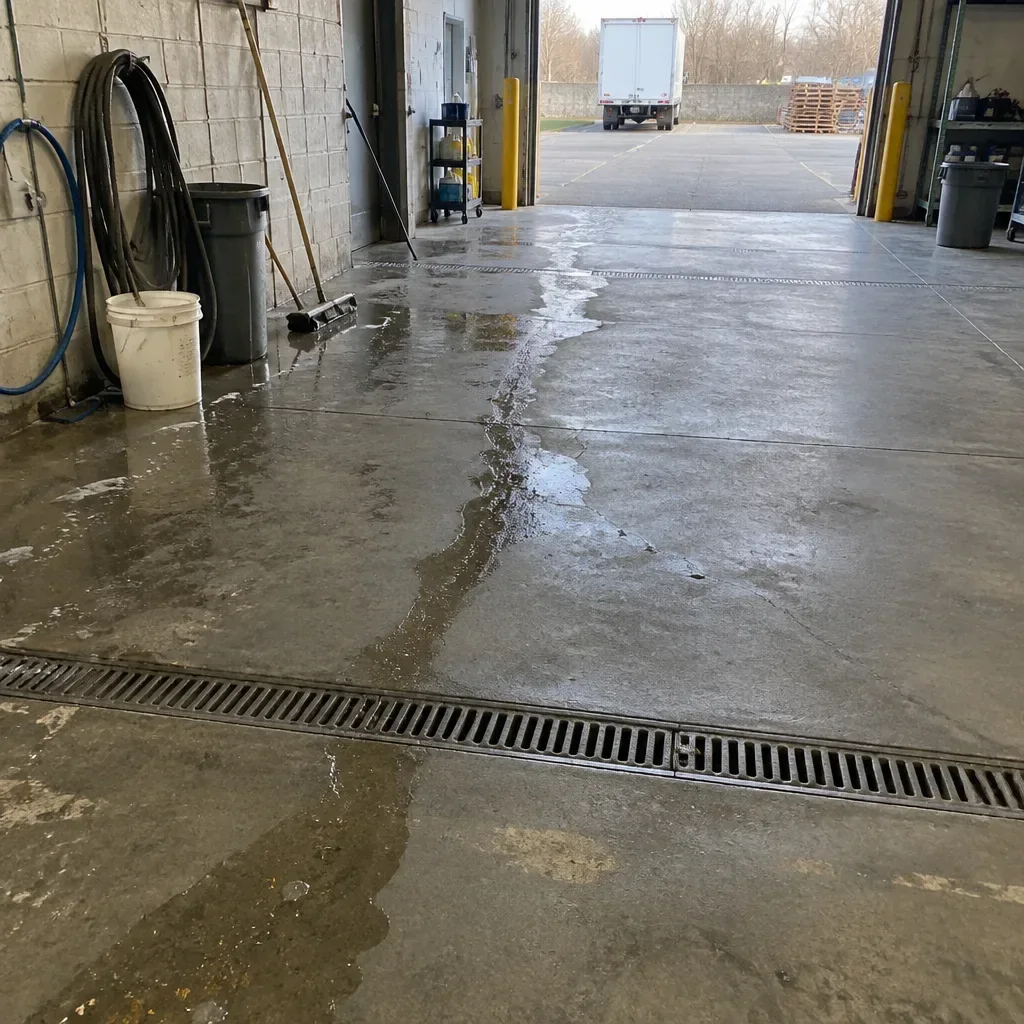
A clear site record ties warehouse assessment, material decisions, and cleanup progress to the areas affected in Longmont.
Warehouse sewage cleanup begins with keeping people clear and assessing spread across the building. Crews contain affected zones, evaluate equipment and stored goods, remove materials that cannot be cleaned, then clean, disinfect, and dry affected areas. A plumber addresses the backup source.
Start with the footprint, then the contents, then the cleanup record. In a Longmont warehouse, sewage can move from one work zone into another, so a single note saying “floor affected” does little to guide decisions. Mark the rooms or bays assessed, the visible limits of contamination, and any area that could not yet be reached. That map gives facility staff and the cleanup professional a shared reference for setting priorities while the condition of equipment and stored goods is reviewed.
Give the map labels people can use on site: bay numbers, aisle markers, loading doors, drains, and fixed equipment. Add the property address, and, when useful, a nearby reference such as Dickens Farm Nature Area or St. Vrain Greenway to help distinguish a Longmont location in internal records. Do not let a landmark stand in for the address. Clear labels make it easier to compare observations, direct authorized staff around restricted zones, and understand which parts of the facility remain under assessment.
A record should show how the assessment unfolded. In Longmont, note when each zone was examined, what conditions were observed, and whether stored goods or machinery blocked a closer look. Separate confirmed contact from an area that is only suspected of exposure. If the picture changes after access improves, add a dated update instead of silently replacing the first account. That sequence helps a reviewer follow why the cleanup plan changed and gives managers a more useful basis for planning future facility response.
Treat equipment as individual assets, not a vague line on a floor plan. For each machine or control area in a Longmont facility, identify its location, visible sewage contact, and whether assessment found a surface that needs cleaning and disinfection or a part that requires further review. Photographing the condition before work changes it can help preserve context. Equipment records also let operations staff flag items that need qualified handling before the affected zone can return to normal use.
For stored goods, connect each decision to an identifiable lot, pallet, or storage position. Record what was observed, whether packaging or contents showed contact, and the disposition recommended after assessment. A warehouse sewage cleanup record should keep observations distinct from assumptions about product safety. In Longmont, this detail can support internal inventory review and later claim discussions; it does not establish whether a policy covers the loss. Keep the entry factual, and note who made or received the decision.
| Facility area | Affected item | Decision record |
|---|---|---|
| Area map | Floor sections and observed spread | Sketch boundaries and note observations |
| Low points | Pooled water, drains, and floor transitions | Mark routes and limits of assessment |
| Inventory impact | Splash, direct contact, or nearby exposure | Record condition and handling rationale |
| Photo log | Goods by rack, pallet, or storage bay | List observed damage and disposition |
| Operations boundaries | Routes, shifts, and restricted work areas | Note access changes and restart conditions |
| Material disposition | Absorbent components and cleanable surfaces | Explain removal or cleaning choices |
| Moisture tracking | Building components assessed for dampness | Keep drying checks with location notes |
| Work log | Cleanup actions linked to each zone | Group photos, material lists, and notes |
When a material is set aside for removal, write down why. Sewage may penetrate absorbent goods, insulation, or other porous building materials, where surface treatment may not address contamination within the material. In a Longmont industrial sewer backup, identify the material and its location, describe the observed condition, and record the assessment supporting removal. For surfaces retained, note that cleaning and disinfection are part of the work before drying. A clear rationale makes later review less dependent on anyone's memory.
Work-zone notes help a facility coordinate people, deliveries, and access while cleanup proceeds. In Longmont, record the boundary used for an affected area, the access instruction shared with staff, and any change to that instruction as conditions are assessed. Sewage can carry harmful contaminants, so people and pets should stay out of affected spaces during cleanup. CDPHE guidance calls for protective equipment and thorough cleaning and disinfection; confirm which requirements apply to the property and the sewage involved.
Keep a concise activity log that lets a manager follow the work without guessing at its order. For a Longmont site, note when sewage was removed, when contaminated materials were taken out, which areas were cleaned and disinfected, and when drying checks began. Include the zone labels used on the map so entries can be matched to places in the building. Record the people or service providers involved by name or role when known, and attach supporting documents rather than copying every detail into the log.
Photographs are most useful when they answer a specific question. For each Longmont warehouse image, note its location, direction, date, and what it shows; pair it with an itemized record of affected materials and cleanup actions. Capture relevant conditions before removal when it is safe and practical to do so. These materials can help document damage for claim review, but the policy and claim decision determine coverage. Keep original files and label copies consistently so a reviewer can trace an image to the map.
If a Longmont operator manages more than one facility, consistent record fields make files easier to compare. Use the same zone naming approach, equipment identifiers, inventory references, and cleanup log headings at each site, while keeping each property's address and event records separate. A reference such as Sandstone Ranch can help staff orient themselves when discussing a local location, but it should supplement precise site details. This structure can also reveal which documentation steps were missed before the next facility incident.
After sewage and affected materials are removed and surfaces are cleaned, drying records show whether moisture checks continued in the areas that needed them. In Longmont, tie each reading or observation to a mapped wall, floor section, or other building material, and note when it was checked. Keep the equipment or method identified when available. A record of drying activity helps explain how the facility moved from cleanup work toward reassessing the space, rather than treating a finished cleaning task as proof that materials are dry.
Odor follow-up belongs in the record when it affects a facility area or prompts another inspection. Note where the odor was detected, when it was reported, and what follow-up took place; avoid writing only “odor resolved” without context. In Longmont, an odor can prompt a closer look at whether contaminated material remains or whether another cleanup step is needed. Record any treatment performed and the subsequent observation, so a manager can see what was addressed and what still needs review.
The cleanup file concerns sewage and damage inside the Longmont building; it does not establish what caused the backup or who is responsible for a sewer line. Longmont documents investigation of reported sewer backups, including a distinction between service-line and main-line problems. The location and cause need property-specific investigation. Record when the appropriate utility or plumber was contacted and any findings provided. A plumber diagnoses blockages and repairs sewer lines, while cleanup addresses contamination within the facility.
Before closing a Longmont facility file, compare the map, photographs, asset and goods decisions, work-zone updates, activity log, and drying notes. Check that each record points to the same zone labels and that later changes have an explanation. Then review the assessment priorities with an independent cleanup professional, including the pros we connect you with. The useful questions are practical: which areas still need evaluation, what supports each material decision, and what record will show the facility is ready for its next operational review?
For a Longmont operator, the record should explain why each material was cleaned, dried, or set aside, and what evidence supported that choice. Give every photo and note a building, aisle, and date label so a reviewer can follow the sequence without guessing. A regional index might use familiar references such as Sandstone Ranch, the St. Vrain Greenway, or Little Thompson River to distinguish facility files; the cleanup record itself should identify the affected rooms and work areas inside the property. Keep open questions with the file for future planning.
Homes may use different wastewater arrangements, so verify local fit for contamination cleanup at the property; the linked communities outline where the pros we connect you with work, includingLongmont, Mead and Dacono. Ask what a site visit costs, if anything, then verify that the pros we connect you with serve the property's location.
A restaurant storage area and a larger customer space can call for different cleanup scopes. Commercial quotes commonly reflect the size of the affected area and the number of visits; $7,000–$14,000 is the guide figure. Sewer-line troubleshooting and repairs require a plumber.For a Longmont business, affected rooms, materials and equipment shape the work list and price. When calling, describe where sewage reached and which spaces need to remain usable; a location reference such as Legacy Trail can help identify the site. Plumbing diagnosis or repair is separate.The affected area and materials needing attention shape the estimate; pricing guide explains cost factors, while commercial overview shows how commercial jobs are organized.
Retail sewage cleanup
Food Service Cleanup
Hotel Backup Planning
First, keep staff and visitors out of the affected area while the site is assessed. Lay out work zones around the observed spread, then identify access routes that do not cross contaminated surfaces. In a Longmont warehouse, aisle and dock labels help workers follow the boundaries. The cleanup plan can then account for equipment, stored goods, cleaning, disinfection, and drying by area.
Exposure and material type guide the decision. The assessor can determine whether a hard surface can be cleaned and disinfected, or whether absorbent material requires removal. Equipment may need a separate review based on the surfaces sewage reached and whether it can be safely cleaned. Record the item, its location, observed condition, and the action taken so later reviewers can understand the decision.
A facility may be able to keep some operations away from the affected work zone, but access needs to follow the cleanup plan. Mark restricted routes and usable areas clearly, and have managers coordinate staff movement around barriers. Keep a record of affected areas and completed cleaning so facility leaders can see what still needs attention.
Keep a dated record of conditions, affected materials, assessment findings, and work completed in each area. Photos should identify their location, while notes explain why an item was cleaned, dried, or removed. These records can support claim review and help facility managers plan for future disruptions. Coverage depends on the policy, so the file should document facts without promising an insurance outcome.
Map affected zones, equipment, and stored goods, then review assessment priorities and documentation needs with the pros we connect you with.
Call (303) 879-2581