Check Training That Fits Sewage Cleanup
Begin with relevant preparation, then look at how it shapes the work plan. Ask what sewage cleanup certification or other coursework the contractor has, who completed it, and whether it covers contaminated building materials and restoration decisions. A credential is useful only when its subject fits the job. For a Longmont home, the pros we connect you with should be able to explain their qualifications plainly and show current supporting records; a vague claim of expertise gives an owner little to assess.
Training should translate into sound choices on site. A contractor needs to recognize which porous items may not be salvageable, which surfaces call for cleaning and disinfection, and where moisture checks are needed afterward. Ask how the person directing the work learned to make those calls and how the rest of the team follows that plan. That answer helps a homeowner distinguish useful sewage cleanup certification from a credential that has little bearing on the actual cleanup.
Review the Worker Safety Plan
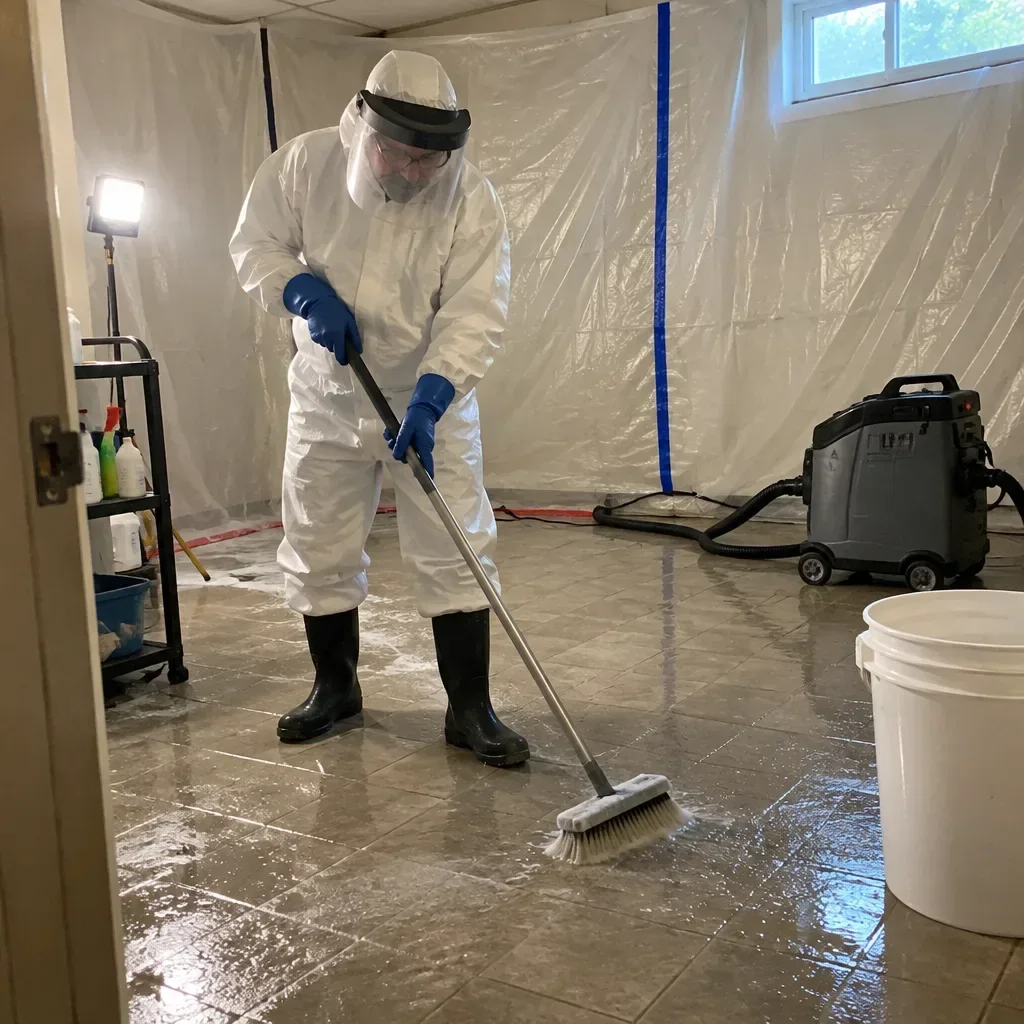
Next, ask the contractor to walk through how workers will limit exposure and keep the job organized. Sewage can carry harmful germs, so the work plan should address who may enter, how affected rooms are separated, and how removed material is handled. Near Erie Community Park, as anywhere in Longmont, a homeowner should hear practical steps tied to the affected property rather than a stock assurance that the space will be safe.
Notice whether the explanation accounts for the whole sequence. The review should also make clear which materials are included in the proposed work and which are outside its scope. If the contractor cannot explain who oversees those details, the qualification on a brochure may not tell the owner much about day-to-day practice. A clear, consistent plan is a better sign of preparation.
Read the Scope and Recordkeeping Plan
Before work is approved, look for a written scope that connects the assessment to specific tasks. It should identify the areas inspected, the material categories proposed for removal or cleaning, and which parts need disinfection and drying. The plan may change if concealed damage appears, but the contractor should explain how revisions will be recorded and approved. Around Erie Wetlands or elsewhere in Longmont, a homeowner needs enough detail to understand what the estimate actually describes.
Good documentation lets the owner follow decisions as the work moves along. Look for dated notes, photographs where useful, and a record of materials removed and cleanup steps completed. Notes about access or belongings can also explain why some steps were scheduled differently. Ask who will keep the file and how the homeowner can get a copy. If the answer is uncertain, it may be harder to resolve later questions about what was done.
Confirm Plumbing Coordination Boundaries
Longmont homeowners should first ask who supervises and what sewage cleanup training or certification that person can document; verify the issuer and scope, since Colorado does not license this work. Next, ask how workers are protected, areas separated, and disinfectants handled safely. Before agreeing, get a written scope listing planned material removal, cleaning, drying, and records such as photos and notes. Confirm how the contractor will coordinate any separate trade task. The same checks work for owners near Dickens Farm Nature Area, Sandstone Ranch, and the St. Vrain Greenway.
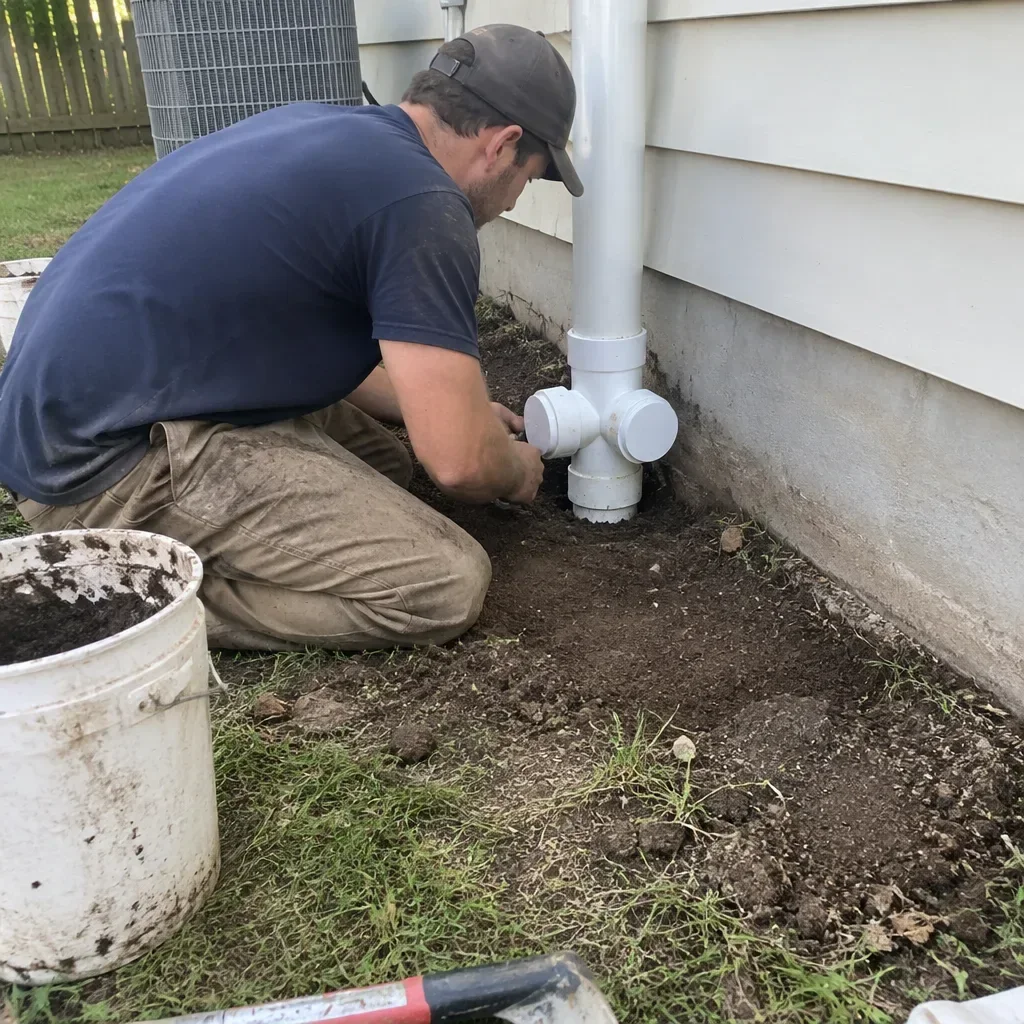
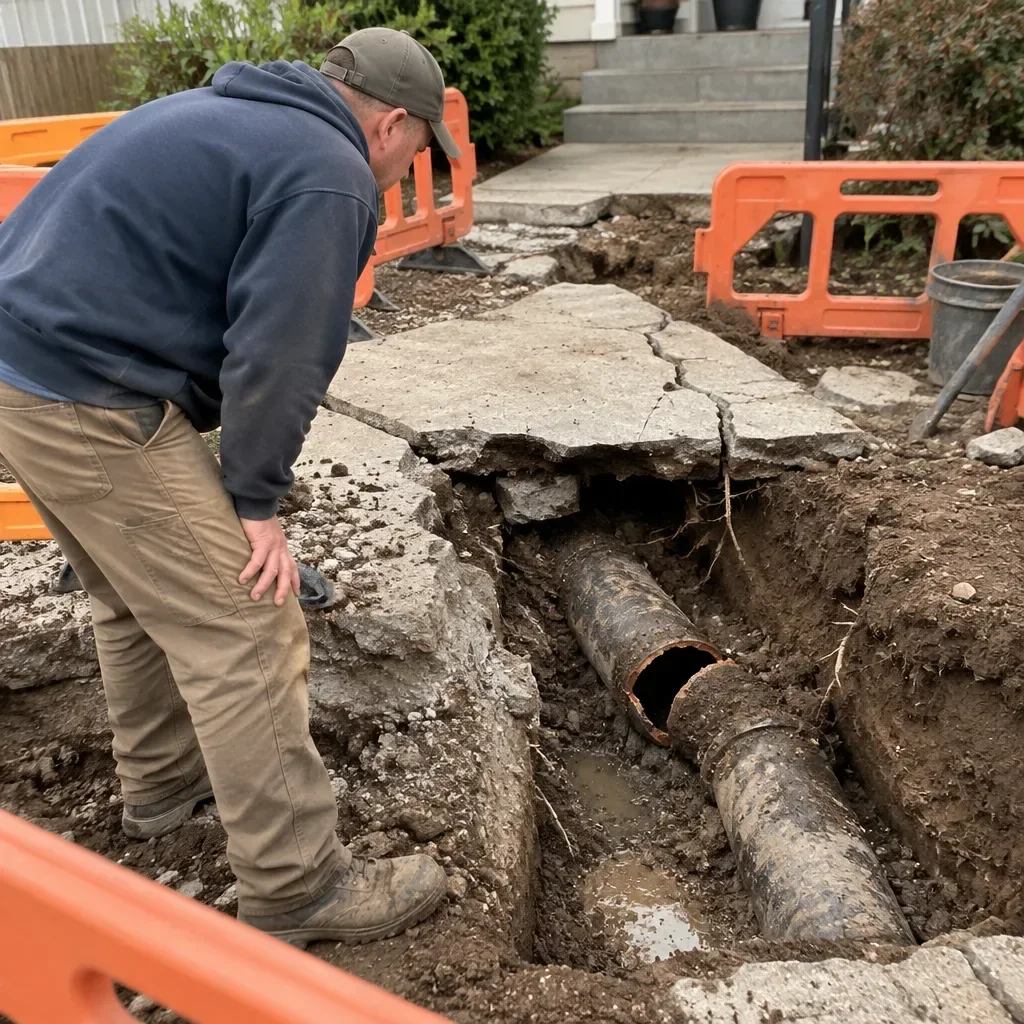
Coordination matters because interior work cannot identify or fix every source of a backup. The contractor should be ready to share relevant findings with the plumber and make clear which tasks belong to each trade. A service-area page that mentions Legacy Trail does not establish that a contractor is prepared for a Longmont property; ask for a work plan and records that do. The next question may be whether the blockage lies in the service line or the main, something an investigation must establish.
Dealing with a sewer backup in your home?
After a backup, what should an owner check first? Keep people and pets away; from a safe spot, note which rooms and materials appear affected. A home near Community Center, Erie Wetlands, or Legacy Trail still needs an address-specific sewer-service check; a place name does not confirm a connection. Longmont guidance distinguishes service-line blockages from main-line problems, and a plumber diagnoses and repairs the source. Call (303) 879-2581 to ask the pros we connect you with whether they serve the address, when they may visit, any visit charge, and what cleanup includes. Assess the area safely, then ask a qualified provider to define the cleanup scope.