Cleanup availability and timing vary — call to confirm. · (303) 879-2581
Contaminated Material Removal in Longmont, CO
Longmont, CO

Longmont Sewer Backup Cleanup: Material Removal Choices

Compare cleaning with removal by looking at exposure and material condition.

A Longmont homeowner may see a small patch of dirty water while porous trim or wallboard has taken in liquid beyond its visible edge. Near County Road 34 or Sandstone Ranch, the property address still matters: Longmont’s sewer guidance distinguishes reports involving a service line from those involving a main line, and a ZIP alone cannot identify a home’s sewer connection. For material decisions, note what sewage reached, then ask the cleanup provider which items may be cleaned and which need further assessment or removal.

In Longmont, the pros we connect you with compare each material’s exposure and condition before setting the cleanup scope. They check which items can be cleaned, which need closer assessment, and which should be removed, then account for containment, extraction, debris handling, surface treatment, odor work, and drying. A home near Liberty Ranch may have different access and room layouts from one near Mead Ponds, so those details can affect time and cost. Ask which materials are candidates to remain and what findings would change that decision.

A Sandstone Ranch reference cannot determine what sewage touched inside a home; Contaminated Material Removal follows the affected materials, while Erie, Berthoud and Lyons names nearby coverage examples.

For cleanup inside a private home, follow Sewer Backup Cleanup; landlords and business operators can find guidance for rental or work properties at commercial sewer backup cleanup.
Early Indicators

Clues That May Call for Contaminated Material Removal

Absorbent Layers Holding Sewage

Drywall deserves close review where sewage contacted its face or an edge. If the board is swollen, crumbling, or separating, the paper and gypsum may have absorbed contamination that is hard to remove fully; sewage drywall removal may be the practical choice. A clean, firm section outside the contact area may stay, depending on the assessment. In Longmont, the owner can ask the provider to mark the proposed cut line and explain why that boundary follows the observed damage.

Hard Surfaces with Sound Finishes

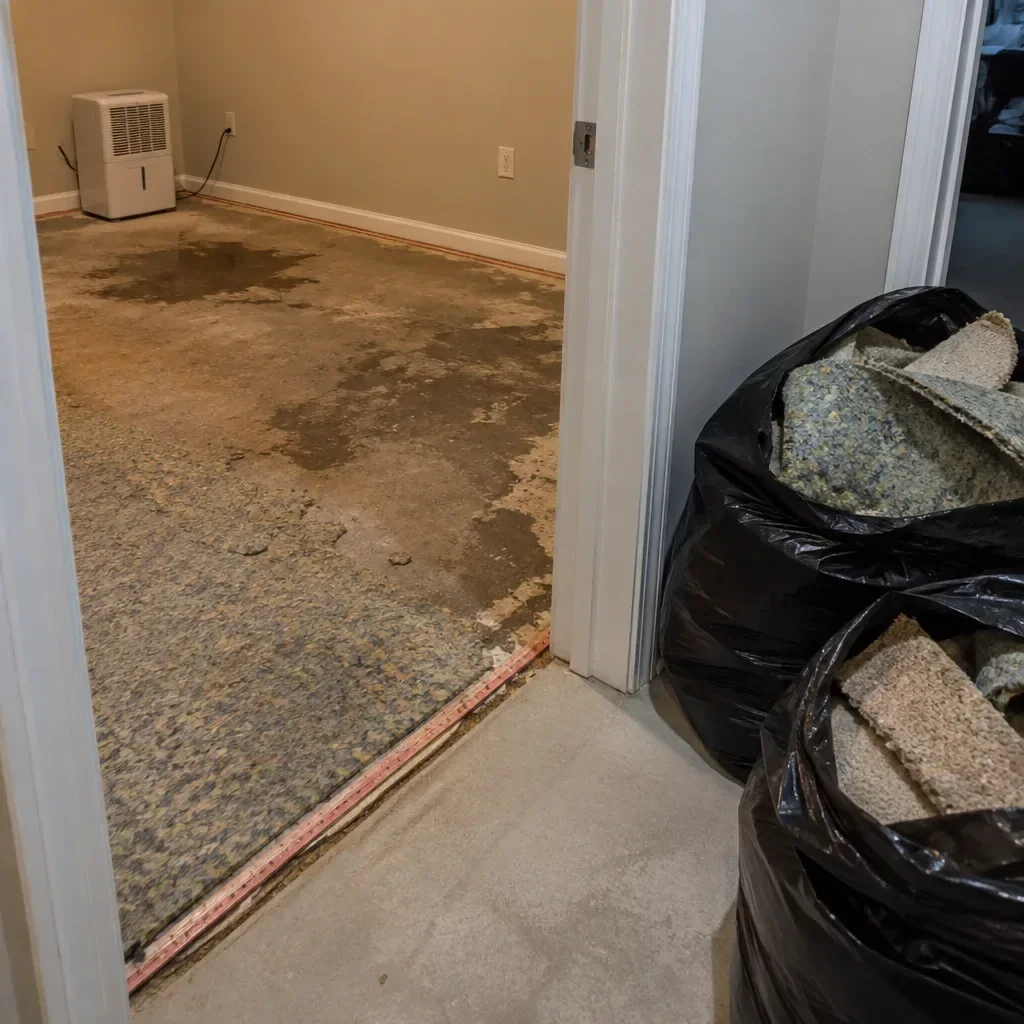
Carpet, rugs, and upholstered furniture can hold sewage below the surface, and padding or fabric may be difficult to clean throughout. The material’s construction, how long it was exposed, and its condition all matter; a surface that looks better does not settle whether it can remain. Near Ames Park, a homeowner can ask the provider to assess each item separately and explain whether removal, cleaning, or additional review is appropriate.

Contents Contaminated in Seams

Trim, insulation, and other absorbent items may also need removal if sewage reached them and they cannot be treated adequately in place. Swelling, softened edges, or a material that has come apart can help identify where closer inspection is warranted, but appearance alone does not establish the full extent. Longmont owners should ask how removed debris will be contained and carried out, especially when the route passes through otherwise clean rooms.

How It Works

Contaminated Material Removal Process

Longmont Sewer Backup Cleanup: Material Assessment

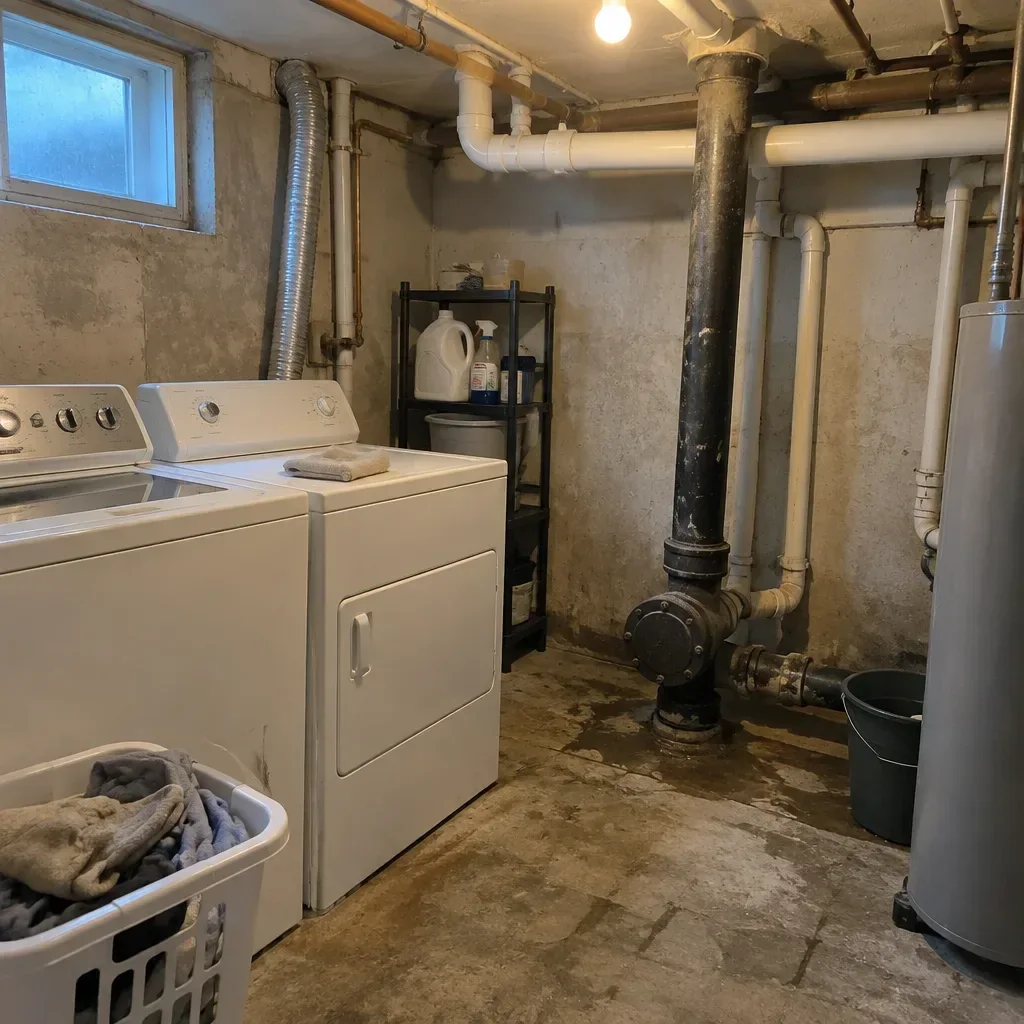
The provider maps sewage contact and checks each material’s type and condition, separating likely removal from items that may be cleaned or need closer review.

Longmont Sewer Backup Cleanup: Sandstone Ranch Removal

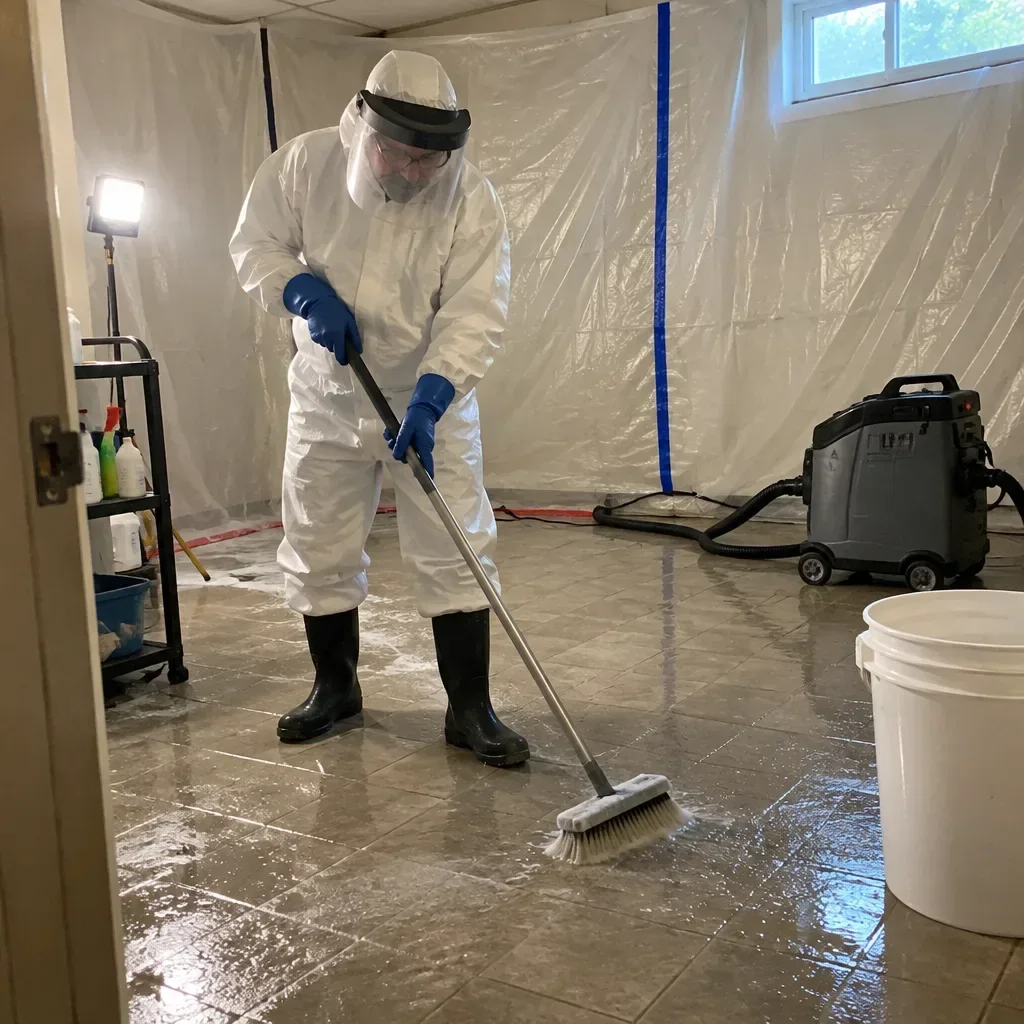
Affected rooms are isolated while contaminated water is extracted, helping keep liquid and debris from crossing into clean parts of the home.

Longmont Sewer Backup Cleanup: Vrain Greenway Debris

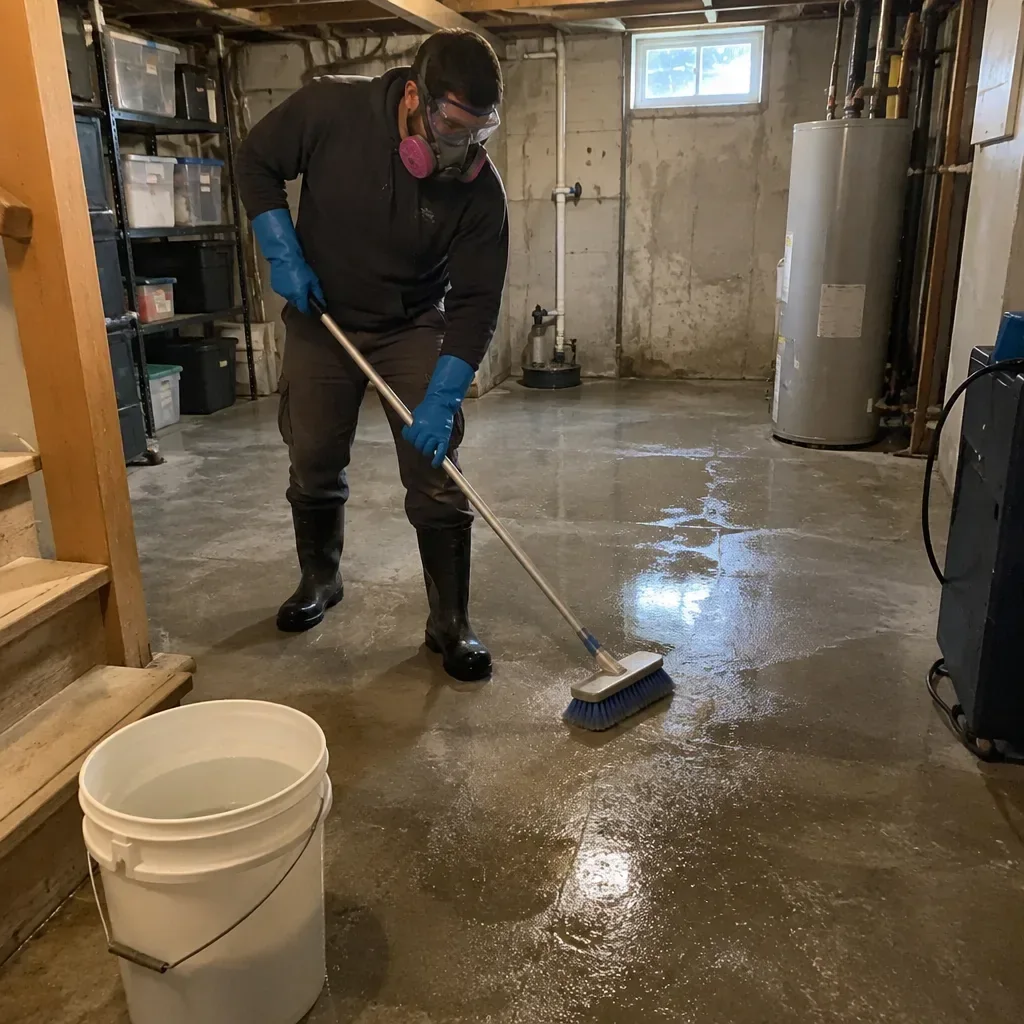
Drying helps remove moisture left in affected areas after cleaning and disinfection are complete.

Longmont Sewer Backup Cleanup: Left Hand Creek Drying

Odor treatment follows removal and surface work as needed, then drying equipment reduces moisture in retained materials and the structure.

Why this matters

In Longmont homes, material condition affects how far drying work may need to reach. Sewage can soak into porous products and leave moisture inside a wall or finish after the visible water is gone. If that material remains without a sound assessment, lingering dampness can complicate structural drying and odor treatment. A provider’s explanation of what was exposed and what still needs drying gives the owner a clearer basis for the cleanup scope.

Cleanup & Safety Standards

Contamination-Control Contaminated Material Removal in Colorado

Confirm Longmont Sewer Service by Address

A recurring backup can indicate that the underlying flow problem remains unresolved even after affected surfaces have been cleaned. Cleanup providers assess the materials inside the building, while a plumber or the city may need to address the source. Confirm the property’s sewer connection and the appropriate contact before assuming which party handles it. The cleanup plan should also follow applicable CDPHE guidance and disinfectant label directions.

Check Material Condition near St. Vrain Greenway

Noting when the problem first appeared can give the source review useful context while keeping it separate from the assessment of affected materials inside the home. The city describes separate reporting paths for service-line and main-line concerns. That information can help frame follow-up about the source, while the cleanup assessment records the affected materials and the work needed inside the home.

Job Scope

How Scope Shapes Contaminated Material Removal Cost

Use Contaminated Material Removal estimated ranges in Longmont as a preliminary guide; the pros we connect you with can confirm any visit charge and put the proposed cleanup scope in writing.

DICKENS FARM NATURE AREA Contaminated Material Removal CLEANUP COST GUIDE IN Longmont
Extent of ContactSanitation and DryingScope Behind Cost
Narrow Cleanup St. Vrain Greenway area reference: assess affected surfaces and describe needed work an estimated $3,500–$6,500
Room-Level Cleanup Only the agreed areas and tasks: removal, cleaning, disinfection, odor treatment, drying an estimated $4,025–$8,450
Expanded Cleanup Add affected rooms or materials only after identification and written documentation an estimated $3,500–$6,500
Structure-Level Limited cleanup follows the documented reach of sewage inside the structure an estimated $8,400–$26,000

A small visible area does not always capture every task: the review may find additional surfaces to disinfect or building materials that need removal and drying. Added odor treatment and sturdier replacement selections can affect the total. The pricing guide covers cleanup cost factors; plumbing repairs are handled separately.

Common Questions

Questions and Answers

Which household materials are hardest to salvage after sewage contact?

Materials that absorbed sewage and cannot be thoroughly cleaned may need removal. That can include drywall, insulation, carpet padding, rugs, upholstered contents, or affected trim, depending on contact and condition. Less absorbent surfaces may be candidates to remain after assessment and treatment. In Longmont, ask the provider to identify each material’s disposition and the reason for it; the answer depends on the actual exposure, not the ZIP code.

Can a hard surface stay if its finish remains intact?

Sewage drywall removal may be recommended when contaminated water has soaked into the board, paper facing, or edges and cleaning cannot reach the affected material adequately. A provider can inspect the extent of contact and determine whether a limited section or more material needs to come out. Ask what condition supports the proposed removal line and whether adjacent material needs further assessment before the area is closed.

How does sewage exposure affect a drywall removal decision?

Carpet padding and upholstered items are absorbent, so sewage exposure can reach areas that are difficult to clean fully. Whether an item stays depends on its construction, exposure, and condition after assessment. The provider can explain which pieces may be treated and dried, and which are better removed. A visible stain or odor alone does not establish that an item is salvageable or beyond cleaning.

Should cabinets be removed when sewage reaches their base?

The decision turns on what the sewage contacted, how far it penetrated, and whether the material can be cleaned and disinfected adequately. Removal is more likely for absorbent items that retain contamination; some firmer, less porous surfaces may remain for treatment. Ask the cleanup provider to distinguish a confirmed removal from an item that needs more inspection, and to explain how materials left in place will be dried.

How are sewage-damaged materials handled during removal?

For a Longmont home near Left Hand Creek, the owner can ask the provider to record removed items by room and material, with photos and notes about the cleanup steps. Photographs taken before disposal preserve a visual record of affected contents after those items are no longer available to inspect. Ask for a copy of the itemized record when the removal work is finished.

When should a plumber address the sewer line source?

At a Longmont home, first map where sewage reached, then consider each material’s porosity and condition. Drywall, insulation, carpet padding, and other absorbent items may call for sewage contaminated material removal if waste soaked in. Intact, nonporous surfaces may be candidates for cleaning. The same assessment applies near Ames Park and the St. Vrain Greenway. Ask the cleanup provider what can remain and what needs review; a plumber addresses the backup’s source or sewer-line repairs.

How much does contaminated material removal cost in Longmont?

No researched range is listed; $7,000–$14,000 is an estimate for the cleanup work. Sewage odors can linger in porous items after visible water is gone.

Related Reading

Guides on Contaminated Material Removal

Start with where sewage traveled; that determines what gets removed, treated, and dried.

Longmont Sewer Backup Cleanup Timeline

Cleanup Timeline

Sewage backup cleanup can involve decisions about damaged materials, treatment, and drying. Follow the stages from assessment and sewage removal through disinfection and structural drying, and see what rain-related conditions may change the schedule.

Read article
DIY or Pro Sewage Cleanup in Longmont, CO

DIY or Professional Cleanup

See when a Longmont homeowner can manage a limited sewage mess and when uncertain exposure, hidden spread, or affected building materials call for professional cleanup.

Read article
Sewer Backup Cleanup vs. Water Restoration in Longmont

Sewage vs. Water Restoration

See why suspected sewage changes the cleanup plan, from deciding what materials can remain to treating surfaces before structural drying begins.

Read article
Discuss Cleanup Help

Check Address-Level Cleanup Reach

For a Longmont address near County Road 34, first check whether the property is served by a sewer system and which provider handles it; location alone cannot settle that. Then ask the pros we connect you with whether they serve the address and can assess sewage affected materials. Discuss how extraction and containment fit the job, what disinfection covers, how drying is evaluated, and whether the visit or any task has a separate charge. Request the proposed work in writing, and contact a plumber about locating or repairing the backup source.

Call (303) 879-2581
Check open dates, expected arrival, assessment fees, and the written work plan
Call (303) 879-2581 Schedule Online