Steps That Shape the Cleanup
Longmont documents investigation of reported sewer backups, since locating the problem takes a property-specific check. A home's ZIP code does not establish its wastewater connection or the source. For a home near Founders Park, cleanup still begins with the contamination inside the room.
Near Sandstone Ranch or Vrain Creek, the room's layout and materials—not the landmark—shape what needs assessment after sewage enters. Longmont asks residents to report backups so the problem can be investigated; cleanup inside the home addresses the affected space.
A cleanup request associated with Longmont may come from a home within Boulder, even when postal and service boundaries differ. Share the street address with the pros we connect you with so they can confirm whether that property falls within their coverage.
First, Map the Affected Area
- Room Boundary
- Inspection includes cabinet edges and flooring seams, where wastewater may travel beyond the area visible from the doorway.
- Absorbent Stock
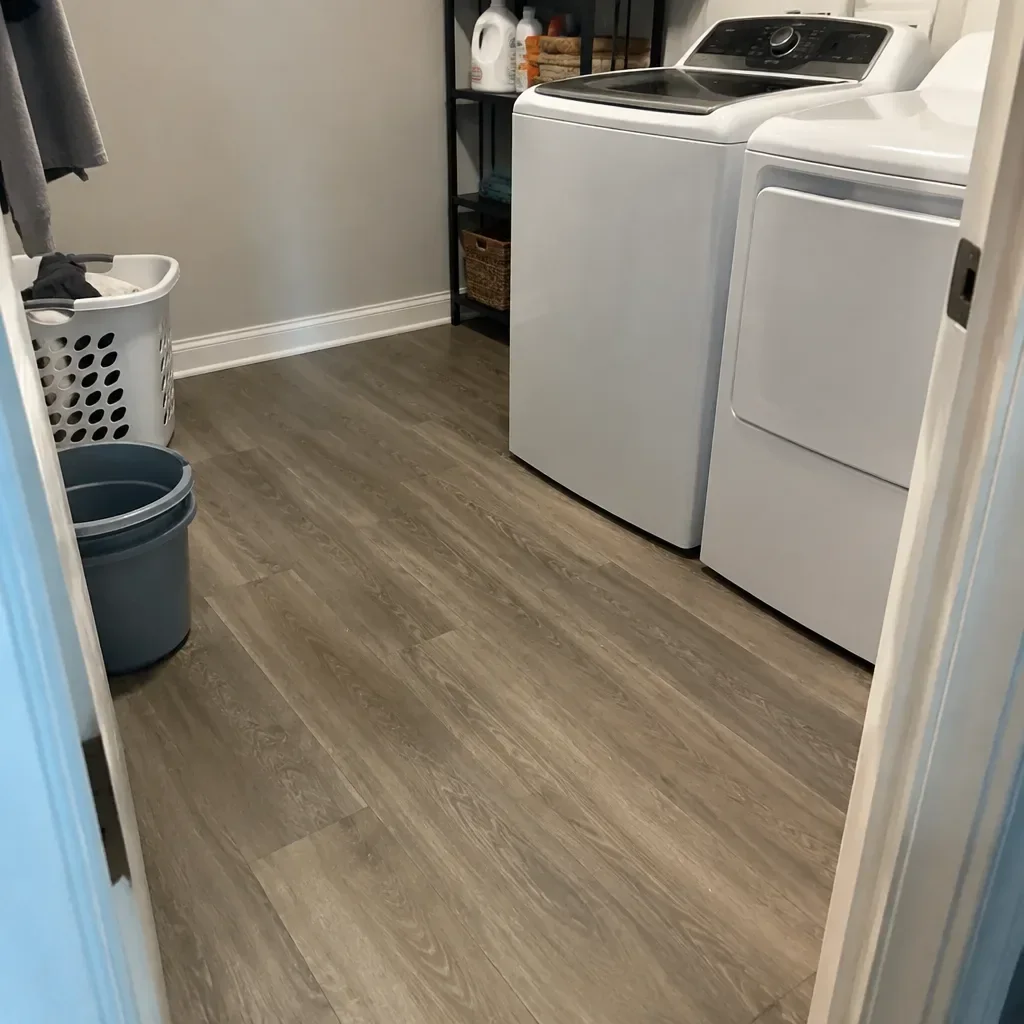
- Laundry baskets, fabric, and paper packaging can take up sewage and need material-specific evaluation.
- Surface Treatment
- Equipment surroundings belong in the room assessment even when the washer or dryer exterior looks clean.
- Moisture Check
- The longer contaminated materials stay wet, the more extensive the assessment and drying may become.
- Delay Impact
- Longmont's reported-backup investigation helps locate a sewer problem; cleanup handles contamination inside the home.
- NEXT CONTACT
- Longmont's seasons bring rain and snow, but weather alone does not explain a laundry-room backup. Cleanup needs follow the water's path and the materials it reached; an assessment determines what must be cleaned and what needs drying.
- SALVAGE DECISIONS
- an estimated $2,700–$6,800
Damage That Begins Away From Drains
Washer supply leak. A loose hose can leave a wet patch under the machine, so the scene resembles a utility-room backup at first glance. In a Longmont home near St. Vrain Greenway, the water source determines whether sewage contamination needs assessment. A supply leak may leave clean water from a hose or fitting, while a sewer backup brings wastewater into the room. Water appearance alone may not settle the question; a professional can assess the material and the surfaces it reached.
Cleaning Surfaces After Contamination
The pros we connect you with first assess the room boundaries and identify affected flooring, cabinet edges, stored goods, and appliance surroundings. They set up containment to limit transfer into clean parts of the home, then remove sewage and any materials the assessment finds unsuitable to keep.
In a Longmont utility room near Founders Park, the pros we connect you with first map where sewage contacted the floor, washer base, cabinet edges, and supplies. They isolate the affected zone, remove liquid, and decide which absorbent items cannot be kept. Then they clean and disinfect salvageable surfaces, arranging access around assessed laundry equipment.
One visit can cover extraction, cleaning, and disinfection when the affected space is accessible and drying is complete. If moisture remains within building materials, more drying and reassessment may be needed before cleanup is finished. Lingering odor can also call for treatment after contaminated material and residue are dealt with.
WHAT INITIAL CONTAMINATION CONTROL COVERS BEFORE REPAIR PLANNING
| Area Affected |
Keep People Clear |
|---|
| Sewage reached only a few surfaces | Address sewer verification |
| Fresh sewage signs after cleanup | Porous debris removal |
| Affected rooms may include multiple building materials | Sewage-soiled contents cleared; surfaces sanitized, structure dried |
Check the Property’s Wastewater Connection
From an unaffected area, a homeowner can note where water appeared and photograph visible damage without entering the room. Keep household members away and do not sort laundry, touch residue, or run nearby equipment. Leave inspection and handling of contaminated materials to cleanup professionals.
When Soft Household Goods Hold Sewage
Sewage exposure is a health hazard, even when the amount in a utility room seems small. Household members should stay outside while the room is assessed and cleaned; residue can contaminate shoes, laundry, and nearby belongings. Cleanup pros use protective equipment and follow applicable cleaning and disinfection guidance. Do not approach or operate equipment that may have been affected.
What Does Sewage Extraction Add to the Scope?
Describe where sewage traveled and ask for a cost outline; extraction, debris handling, and the extent of cleaning shape the work.The guide range reflects cleanup work in affected rooms, including material removal, surface treatment and drying where the assessment calls for them; it excludes plumbing diagnosis or repair. For a Longmont property, give the address and a useful location reference, such as Coal Creek or Northern Water. The pros we connect you with confirm any visit charge and written scope directly.For a fuller breakdown of cleanup charges, open pricing guide; Sewage Backup Extraction describes the tasks involved.