What a Sewer Backup Can Damage
Longmont sees rain and snow, and the city documents flood damage to infrastructure near the St. Vrain Greenway. Those conditions do not prove why sewage entered a particular kitchen. The backup source and wastewater provider need property-specific investigation.
A kitchen near Dickens Farm Nature Area and one near Sandstone Ranch both need the same careful assessment if sewage reaches cabinets or appliances. Nearby landmarks can help locate a home, but they do not identify its sewer connection, provider, or the cause of a backup.
Across Boulder, a household in Longmont may need help after sewage affects indoor areas. First, the pros we connect you with can check whether the address is connected to a sanitary sewer, since cleanup needs depend on the wastewater system involved.
What Must Leave the Home
- Drain Area
- Water at a kitchen drain can reach cabinet bases and appliance gaps; visible puddles do not mark the full extent.
- Cabinet Edge
- Food and kitchenware that sewage touched should stay out of use until their exposure is assessed.
- Food Contact
- Cabinet swelling can signal sewage entered porous parts that a surface wipe may not reach.
- Surface Type
- Cleanup includes drying affected building materials after extraction and cleaning.
- Backup Source
- A plumber investigates the backup source; cleanup addresses contamination inside the kitchen.
- SAFE ACCESS
- Longmont’s rain and snow can change conditions around wastewater systems, but neither season identifies the cause of a kitchen backup. The city’s record of flood damage near the St. Flood records can describe broader exposure patterns, while conditions inside a kitchen still require a direct assessment.
- SALVAGE DECISIONS
- an estimated $3,500–$6,500
Finding the Water’s Origin First
Drain clearing restores flow through a fixture, while cleanup addresses contaminated surfaces left behind after wastewater enters the kitchen. Kitchen cleanup removes indoor contamination and addresses affected materials; it does not locate or repair the line. Cleanup concerns sewage and affected materials inside the kitchen; sewer-line repair concerns locating and correcting the source. Longmont’s sewer-backup investigation distinguishes service-line from main-line problems, but the property address and findings determine where a report belongs.
Removing Sewage From Indoor Spaces
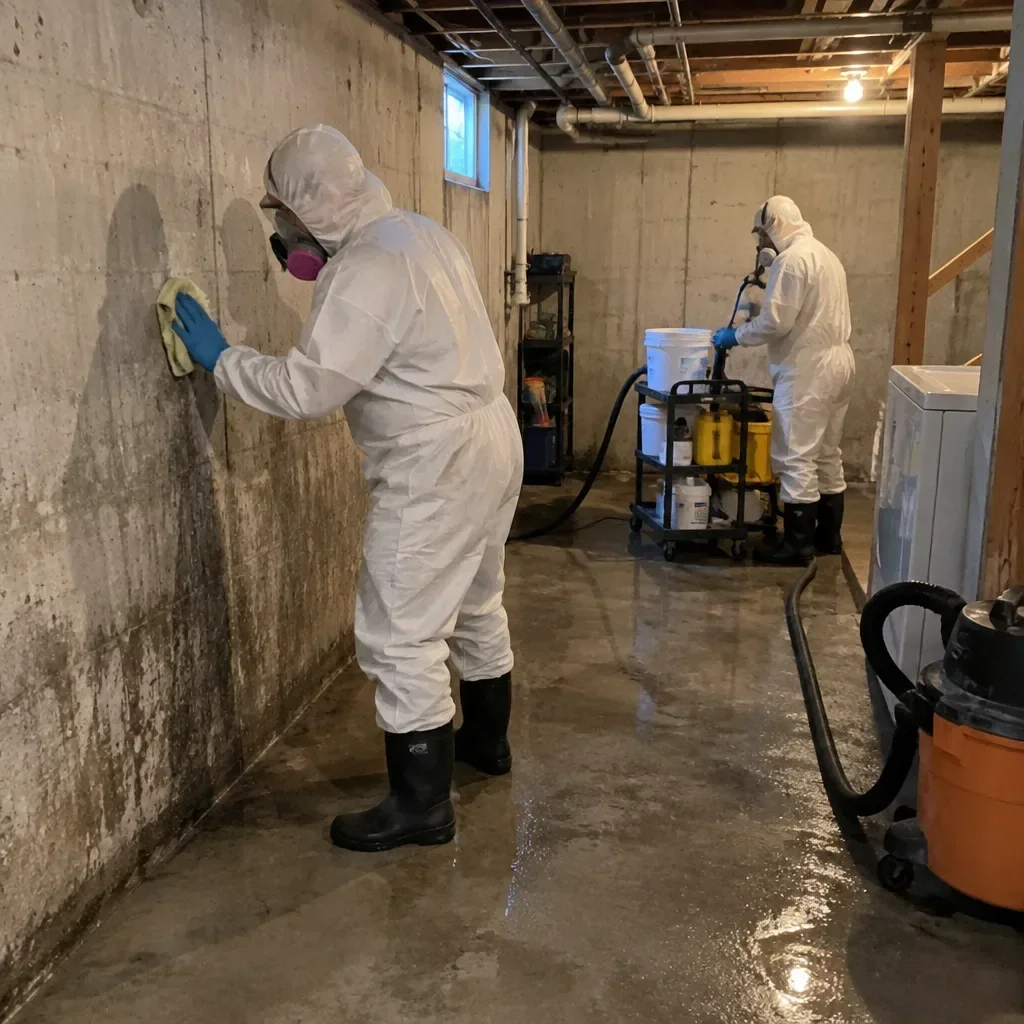
The pros we connect you with first establish the visible and likely spread around the drain, cabinets, and appliances, then separate the affected kitchen from clean areas. They extract sewage and assess surfaces, contents, and absorbent components. That assessment guides what can be cleaned in place and what needs removal.
The pros we connect you with trace the spill path from the drain toward cabinet bases and appliance edges, then contain the affected kitchen and extract standing sewage. They assess which finishes need attention and where moisture has traveled. After cleanup, affected building materials are dried; this work does not locate or repair the sewer-line problem.
One visit can cover extraction, cleaning, and disinfection when the affected space is accessible and drying is complete. If moisture remains within building materials, more drying and reassessment may be needed before cleanup is finished. Lingering odor can also call for treatment after contaminated material and residue are dealt with.
EXTRACTION, SURFACE CLEANING, AND DRYING ALONGSIDE POSSIBLE REBUILDING
| Drying Needs |
Confirm the Service Type |
|---|
| Impact remains inside the first affected space | Indoor damage cleanup |
| Treated surfaces showing renewed contamination | Odor treatment |
| Sewage reaches flooring, contents, and framing | Porous debris removed; disinfect surfaces, dry interior |
Keep Cleanup Notes Together
Keep people and pets out, stop using the sink, dishwasher, and disposal, and avoid walking through or handling sewage. Do not test the drain by running water. Keep exposed food and kitchenware out of use, and note what you can see from a clean area. Leave removal and disinfection decisions to an assessment; contact a plumber about the backup source.
Containment Before Water Moves Farther
In Longmont, sewage at a kitchen drain, beneath cabinets, or around an appliance calls for a careful assessment. Keep people and pets out; set aside exposed food and food-contact items. Cleanup may require removing absorbent materials, then cleaning and disinfecting affected surfaces before drying them. A plumber investigates the backup source; cleanup does not repair the sewer line.
Which Cleanup Steps Shape the Final Estimate?
Ask for an estimate based on the rooms reached, materials that must be removed, and drying needed after affected surfaces are cleaned.The guide range reflects cleanup work in affected rooms, including material removal, surface treatment and drying where the assessment calls for them; it excludes plumbing diagnosis or repair. For a Longmont property, give the address and a useful location reference, such as Coal Creek or Northern Water. The pros we connect you with confirm any visit charge and written scope directly.Questions about cost belong in pricing guide; Sewage Cleaning and Disinfection explains how cleanup handles contamination and drying.