Define the Work Area and Items
Start by asking the company to describe the work it proposes for each affected room. For a Longmont home near Ames Park, clarify whether its plan stops at the visibly wet floor or also addresses adjoining surfaces that may have been exposed. Ask which items it expects to remove and which it believes can be treated in place. A clear boundary helps the owner notice an omitted area while there is still time to discuss it, rather than finding out after the work is finished.
Ask how personal belongings will be handled during the job. If furniture, boxes, or stored items sit near the affected space, will the owner need to move them, or does the proposed work account for handling them? A homeowner near Sandstone Ranch can also ask how the company will identify items it cannot safely keep in the room. Getting this sorted before work starts can prevent belongings from being shifted through clean parts of the home or left in the way.
Ask About Household Safety Controls
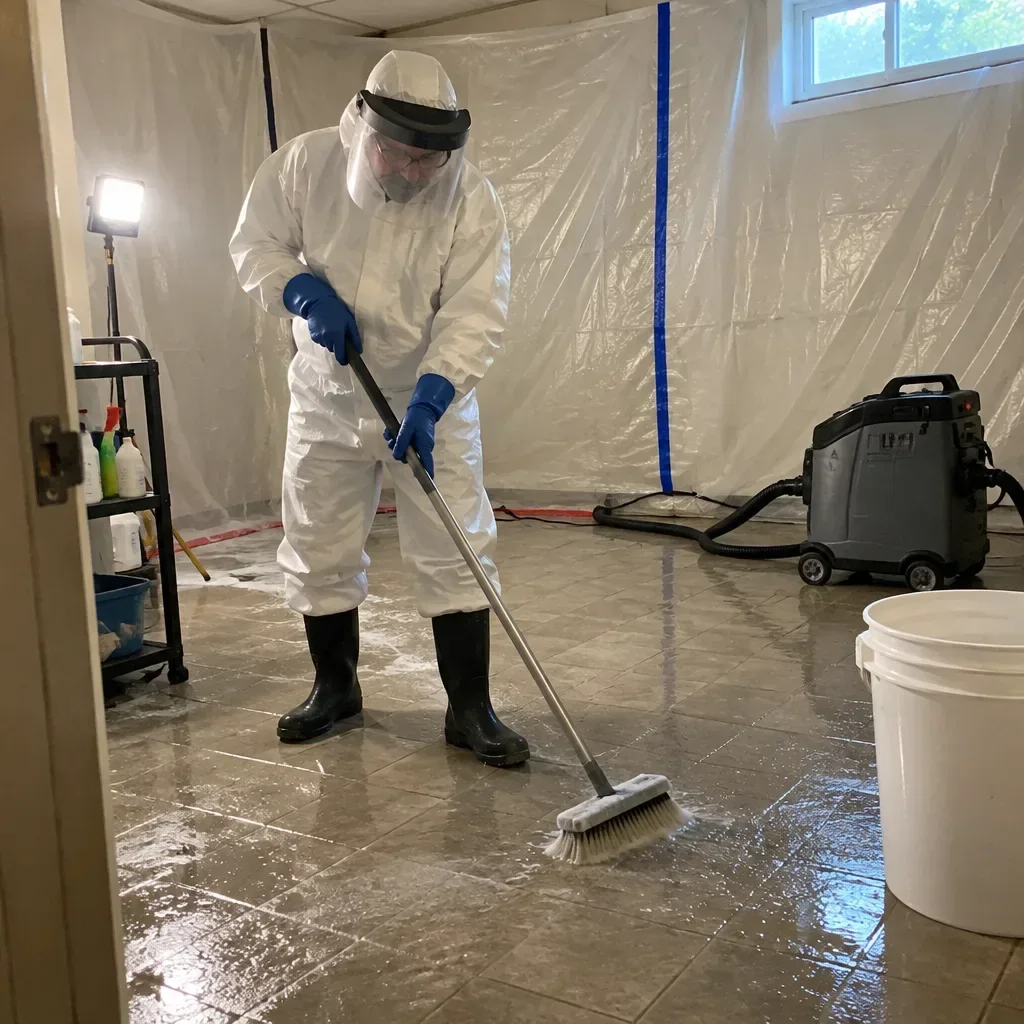
Ask what barriers or other controls workers plan to use between the work area and the rest of the home. In Longmont, a house near the St. Vrain Greenway may have busy shared spaces, so the owner should understand which paths remain usable and which should stay closed. Sewage can carry harmful contaminants; people and pets should remain outside the affected area while cleanup is underway. A defined route and boundary help limit the chance that dirty water or debris reaches a clean room.
Find out what the company expects from household members while the work is in progress: where to wait, which belongings to leave alone, and when it is safe to enter again. Ask how the cleanup will address porous materials that may have absorbed contaminated water. Near Left Hand Creek, as anywhere in Longmont, a homeowner should not try to handle sewage-soiled items while waiting. Clear instructions reduce accidental contact and confusion around the work zone.
Discuss Added Work Before It Starts
Ask which conditions could add work and affect the total charge, such as additional rooms or absorbent building materials that prove difficult to treat. Have the company explain what its current proposal assumes and what it has left out. For a Longmont owner, this makes it easier to compare the same kind of work when speaking with another prospective company. The useful question is what could change the scope, not a guess at the final bill before affected areas have been addressed.
Before hiring, ask how the company will raise an unexpected change with the owner and get direction before moving ahead with added work. If workers uncover a newly affected section, the homeowner should know who will explain the issue, how the revised task will be described, and whether work pauses while the change is considered. That conversation keeps a surprise from turning into an unspoken decision. In Longmont, put the agreed process in writing so both sides can refer back to it.
Clarify the Records You Will Receive
Ask what job records the company will leave with the owner. Photos taken during the work, notes about affected items, and a record of completed tasks can help document the condition of the home. A Longmont homeowner may want to ask whether the summary identifies areas that were not included or could not be treated, too. These details give the owner a useful account of what happened; they do not determine whether an insurance policy covers the loss.
Before settling on a hiring cleanup contractor, read your notes against the proposed work: are the affected rooms named, household directions clear, possible additions explained, and records accounted for? If a point remains vague, ask the company to put its answer in writing. For a property in Longmont, verify the address and sewer connection when local service information matters; a postal ZIP alone does not establish the provider. A tidy checklist makes gaps easier to spot while comparing options.
Dealing with a sewer backup in your home?
After a backup, what should an owner check first? Keep people and pets away; from a safe spot, note which rooms and materials appear affected. A home near Community Center, Erie Wetlands, or Legacy Trail still needs an address-specific sewer-service check; a place name does not confirm a connection. Longmont guidance distinguishes service-line blockages from main-line problems, and a plumber diagnoses and repairs the source. Call (303) 879-2581 to ask the pros we connect you with whether they serve the address, when they may visit, any visit charge, and what cleanup includes. Assess the area safely, then ask a qualified provider to define the cleanup scope.